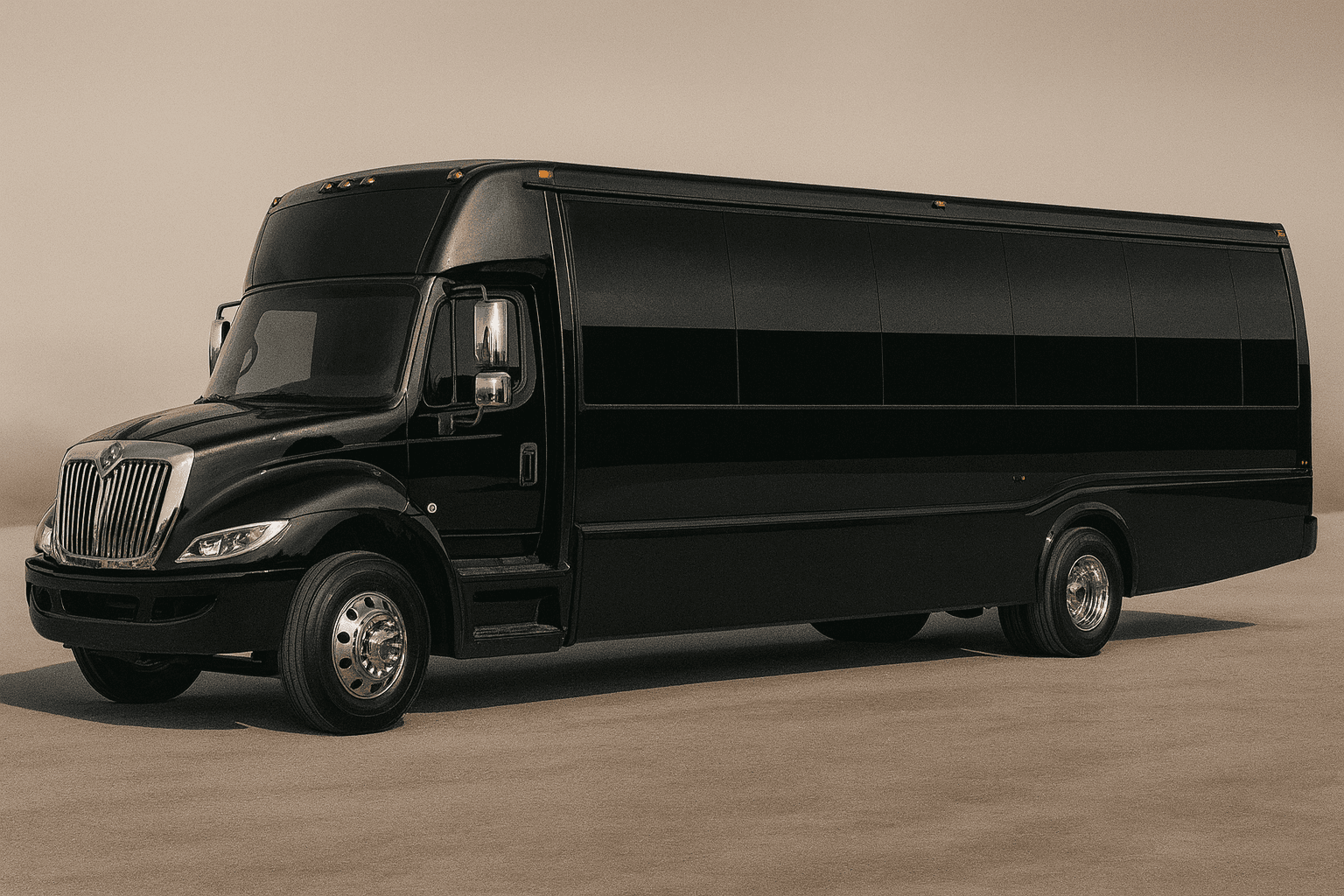
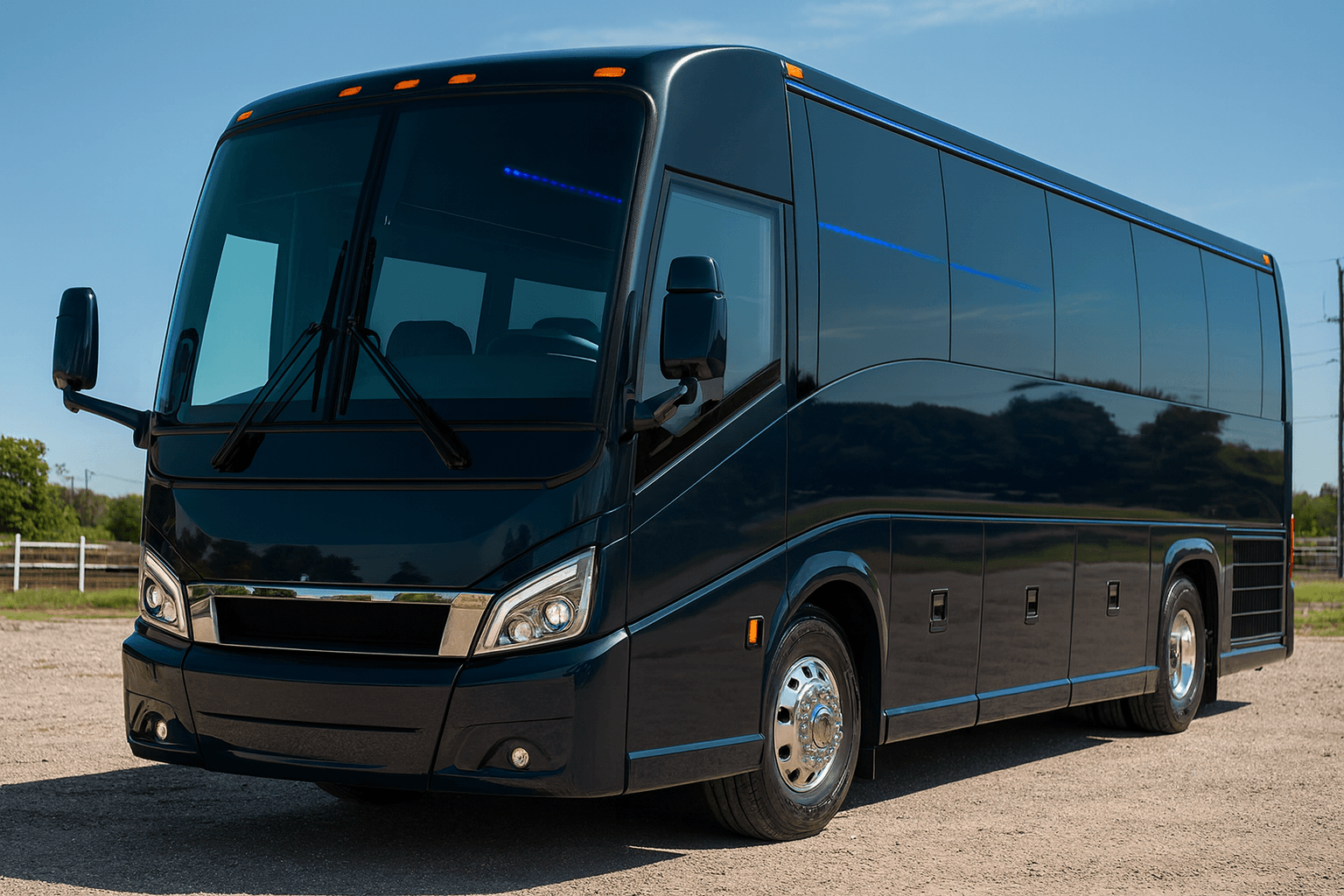
Group ski days are logistics-heavy: long drives, bulky equipment, winter road conditions, and tired riders on the way home. Shared transportation helps when everyone needs to arrive with the same start window and leave without debating who is sober enough to drive mountain roads after dark. Begin with headcount, a full gear list, and a realistic outbound departure that protects slope time without skipping safety buffers.
A venue-flexible pattern usually looks like early boarding, a mountain-access drive with possible chain or weather delays, drop-off near the day-lodge or parking guidance zone, optional midday access to the vehicle for layer changes, and a late-afternoon return. Sample times are illustrative. Build extra minutes for loading skis and boards, boot bags, and helmets. Do not assume the vehicle can idle in a preferred lot all day unless parking and wait terms are confirmed for oversized vehicles. Share any known mountain-road advisories with the organizer contact the night before so departure timing can flex without chaotic group texts.
Storage is often the deciding factor. Soft bags may fit cabin-side; skis, boards, and hard boot bags usually need under-bus or dedicated gear areas when available. Ask how equipment is secured and whether length limits apply. Climate control matters on both legs—cold morning starts and damp afternoon returns. Entertainment systems, restrooms, and Wi-Fi, when offered, vary by exact coach or party-bus unit and should be listed in the quote if they affect your plan.
Winter operations deserve explicit questions: chain or traction requirements, weather delay handling, cancellation or rebooking terms, and driver hours on long mountain days. None of those should be inferred from marketing copy. If the group wants the cabin available at lunch for warm-up or gear swaps, say so; wait-time pricing and parking rules differ from a simple drop-and-return. A printed meetup time at day’s end matters as much as the morning alarm—slow rental returns and boot changes are common delays.
Keep cost conversations hedged. Distance, elevation approaches, demand weekends, vehicle category, wait time, and weather contingencies all move the total. Use planning ranges only as estimates. The written quote is what holds.