Keep the Group Together From Pickup to Final Stop

Different groups need different capacity, luggage, accessibility, timing, supervision, and routing plans. Start with the group type, then confirm the trip in writing.

What should you decide first?

A reliable group plan starts with one coordinator, an accurate passenger and equipment count, complete addresses, realistic loading time, and one approved itinerary. The vehicle should fit how the group travelsβ€”not merely the headcount.

Decision checklist

  1. 1Name one coordinator and backup contact who can approve trip details.
  2. 2Count passengers, chaperones, luggage, equipment, and mobility requirements.
  3. 3Reduce unnecessary stops and verify that every loading location is usable.
  4. 4Distribute the final itinerary only after route, timing, vehicle, and terms are confirmed.

Group Transportation Vehicle Categories

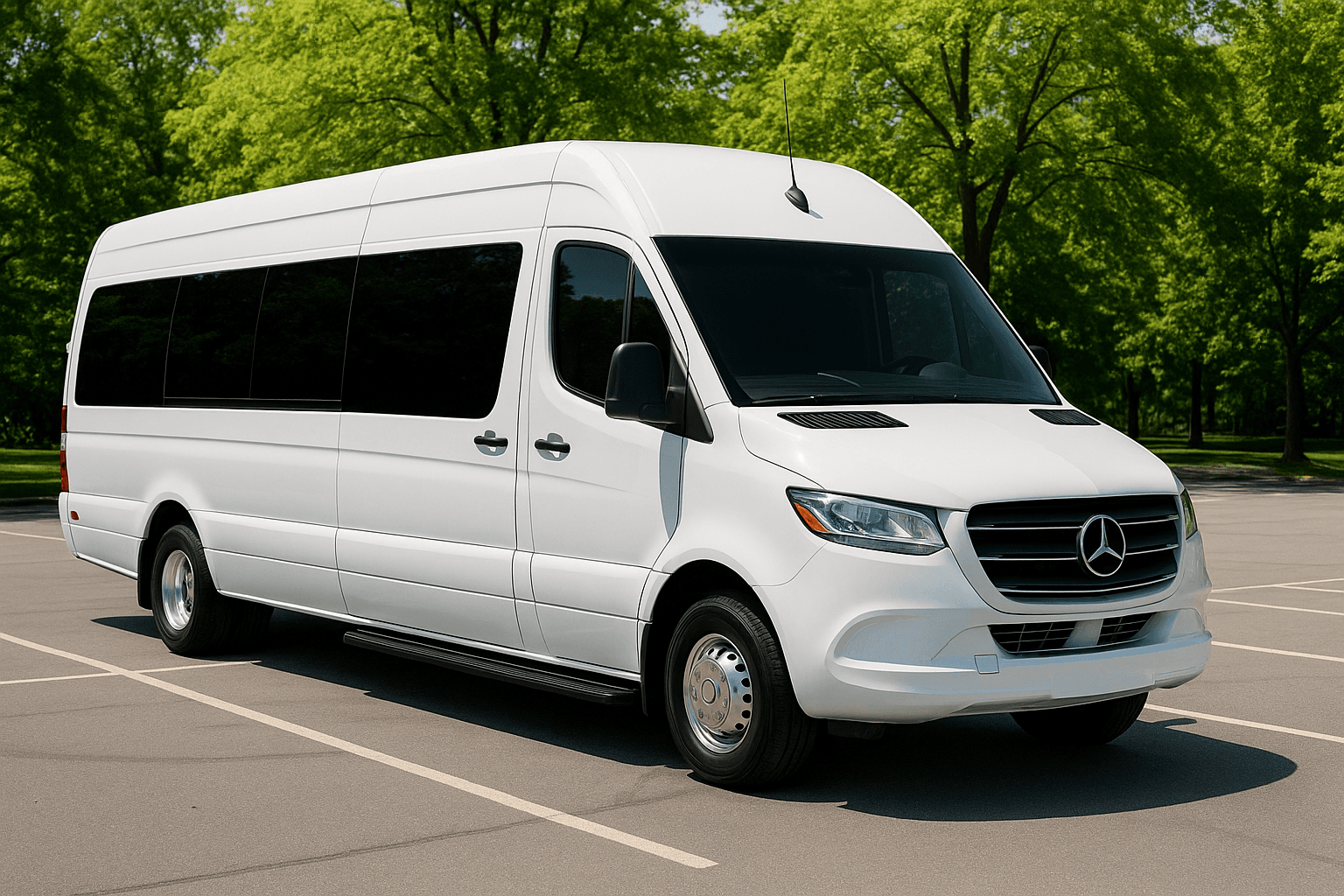
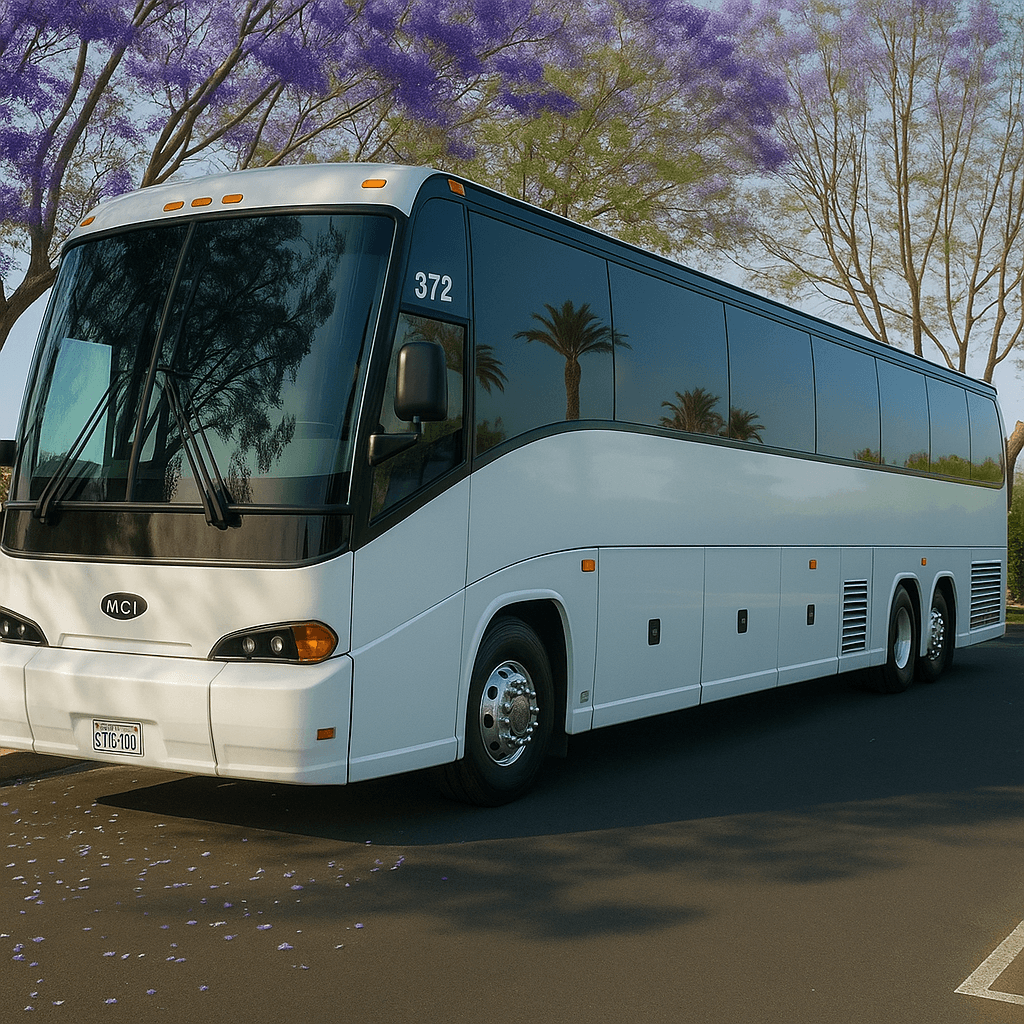
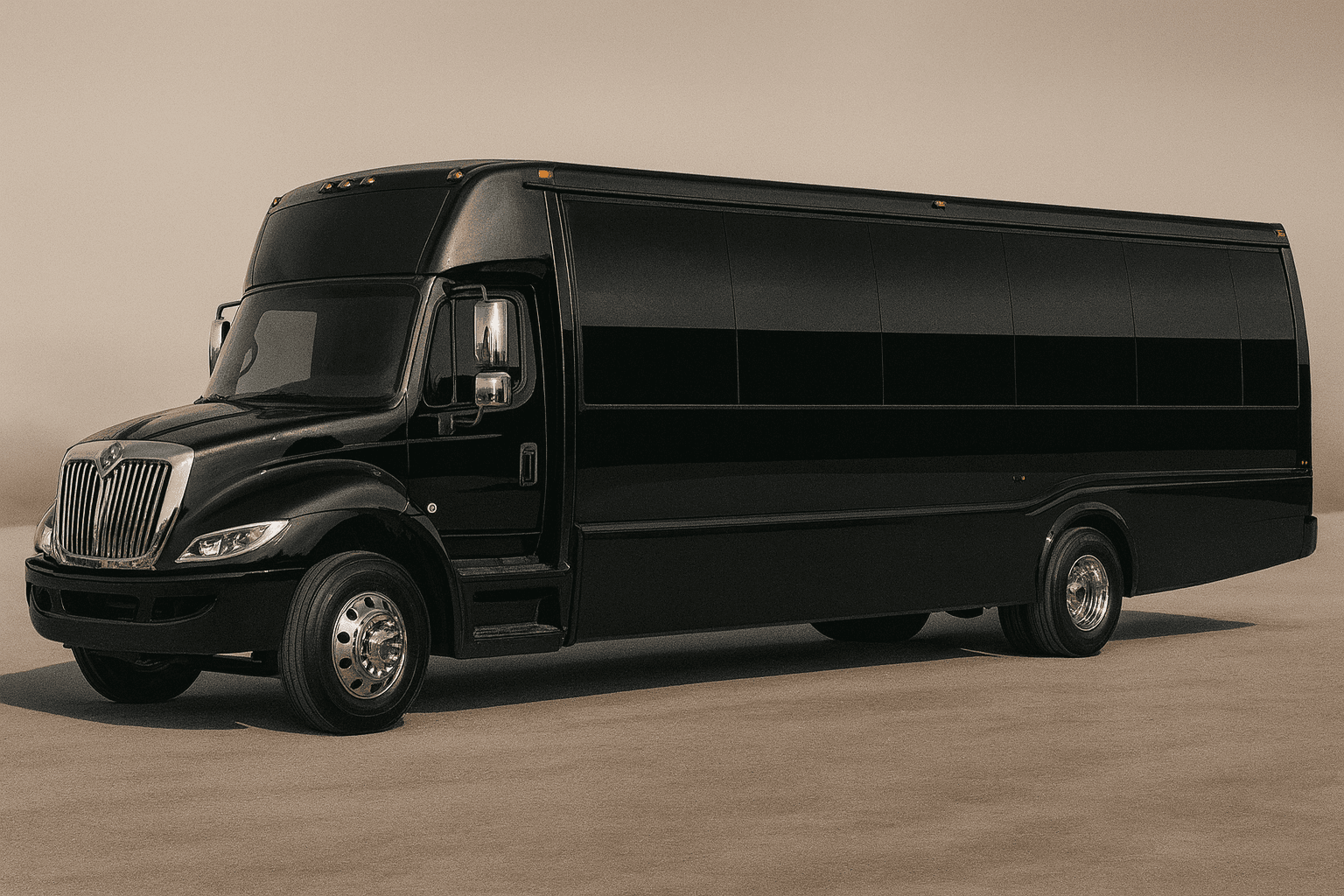
Use these representative vehicle-category images to compare the general scale and style of available transportation. Exact vehicles, configurations, amenities, and availability require live review and written confirmation.

Representative mid-size party bus exterior for group transportation planning
Party bus category
Representative stretch limousine exterior for formal group transportation
Limousine category
Representative executive sprinter exterior for smaller group travel
Sprinter category
Representative full-size coach bus exterior for large group transportation
Coach bus category

Plan Before You Reserve

Use a realistic passenger count and include organizers, chaperones, luggage, equipment, and mobility requirements.

For multiple pickups or shuttle loops, define each stop and loading window before comparing vehicle options.

Large vehicles may face parking, staging, height, road, or venue-access restrictions that smaller vehicles do not.

Final capacity, route feasibility, driver requirements, and vehicle availability must be confirmed during live review.

Availability and exact vehicle details require live review. A reservation is confirmed only after the written agreement and required payment steps are complete.
Make a Better Transportation Decision

Name One Transportation Coordinator

Choose one organizer who owns the passenger list, approved itinerary, and communication with Bus 2 Ride. Large groups lose time when several people send conflicting addresses or request day-of changes independently. The coordinator should collect accessibility needs and luggage privately, confirm who is traveling, identify a backup contact, and distribute only the final reviewed schedule.

Count People, Bags, Equipment, and Boarding Time

Vehicle fit involves more than headcount. Airport groups may have large luggage; sports teams carry equipment; wedding parties wear formal clothing; school and community groups may need chaperones; older guests may need easier entry and longer loading. Record these needs before choosing a category. Ask for exact legal capacity, seating, storage, entry, and accessibility confirmation for the assigned vehicle.

Design Pickups Around Real Group Behavior

A long chain of residential pickups can consume the reserved window and create overtime risk. Central meeting points reduce stops but must be safe, legal, and practical. Shuttle loops need a defined frequency, final departure, and loading point. Give guests an arrival time earlier than departure, and build buffers for traffic, venue exits, security, and slow regrouping.

Keep the Final Plan Easy to Follow

The useful itinerary includes date, time zone, exact addresses, entrance or curb instructions, passenger contact, stop order, expected dwell time, final drop-off, and what to do if someone is late. Avoid sending sensitive details publicly. When the route changes, confirm feasibility and price implications before distributing an update.

Frequently Asked Questions

How early should a large group begin planning?

Begin when the date, rough passenger count, and route are known, particularly for weddings, proms, holidays, conventions, and major event weekends. Early planning does not confirm inventory; only the final agreement and required payment complete the booking.

Is the smallest vehicle that fits always the best value?

Not necessarily. Luggage, formalwear, trip length, personal space, boarding, accessibility, and storage can make a larger category more practical. Compare comfortable fit and complete pricing, then confirm the legal capacity of the assigned vehicle.

Can passengers add stops directly with the driver?

Do not assume so. Route changes may affect timing, feasibility, driver requirements, or price. Use the designated trip contact and the process stated in the agreement to request and confirm any change.