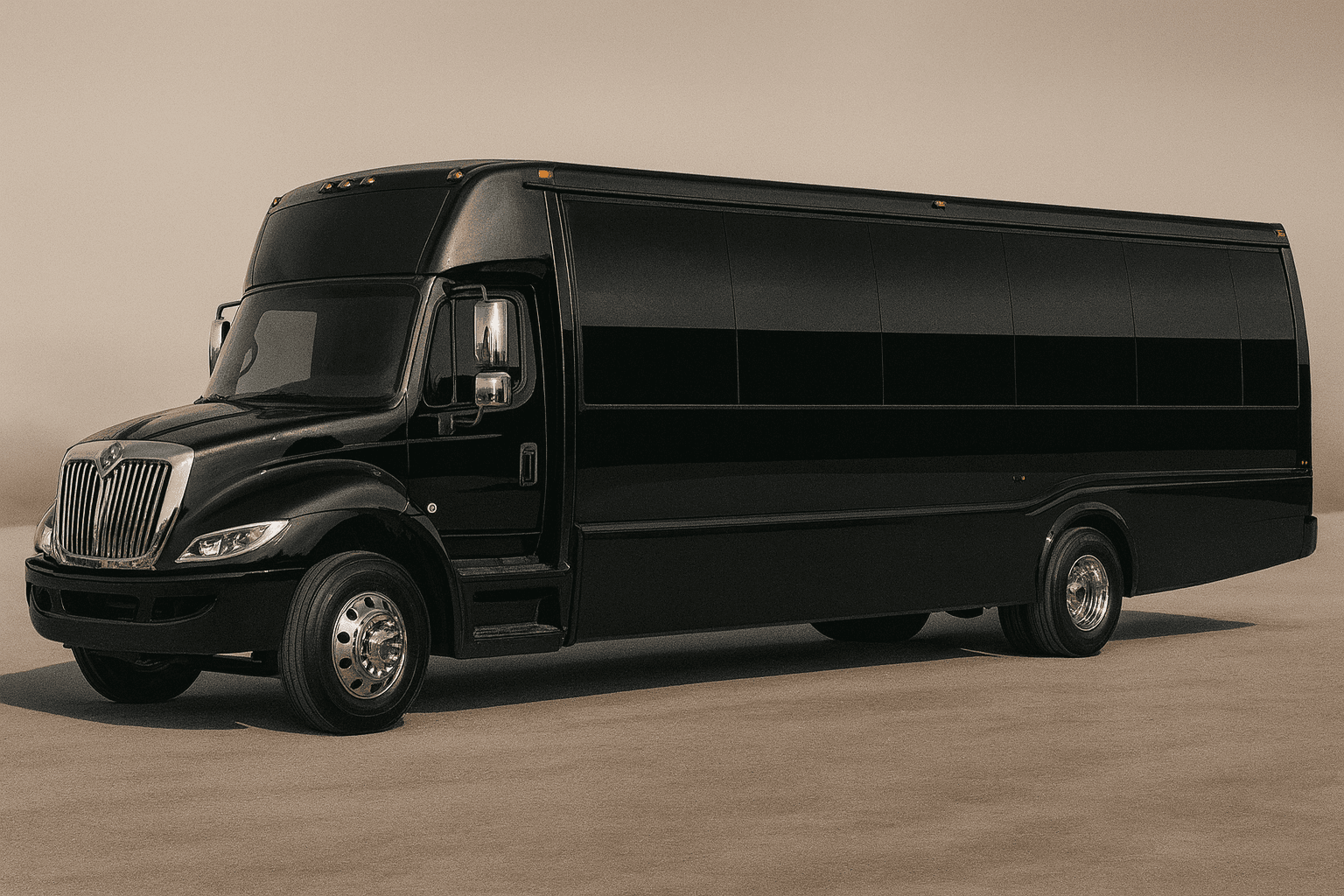
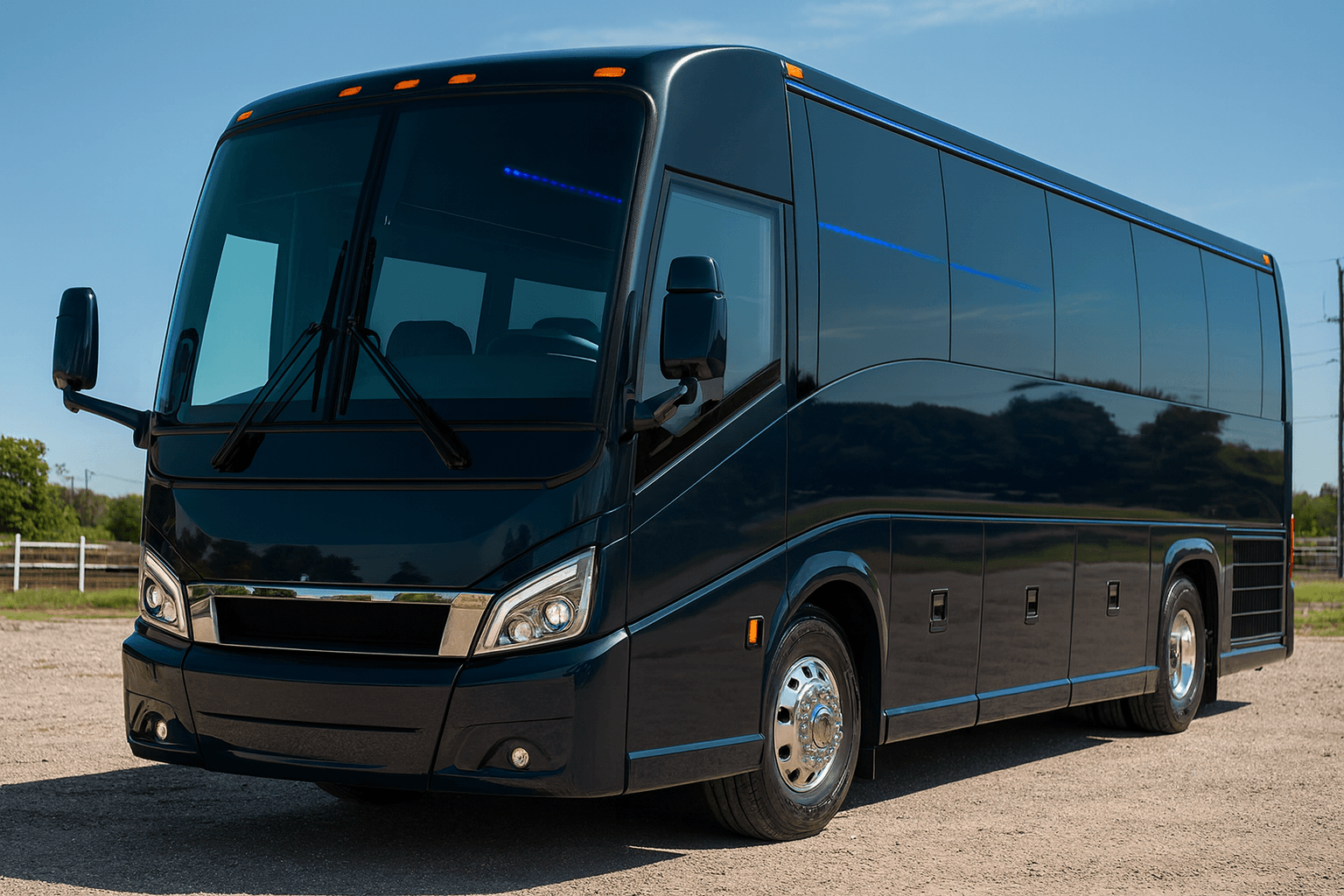
Faith communities gather for worship, service, celebration, study, and fellowship, and group transportation is often what makes those gatherings practical. Start with the trip type — a same-day shuttle to a place of worship or event venue, a youth outing with chaperones, a multi-congregation pickup, or a longer retreat or mission-style journey — then match headcount, timing, and supervision needs to a vehicle category. Include staff and chaperones in the passenger count so capacity is not short on travel day.
Keep the plan flexible on exact venues: boarding at a congregation lot or central meetup, transfer to the place of worship or program venue, any secondary service or meal stop, and a return loop that respects the published end time. The vehicle supports safe, on-time group movement — it is not a promise of a particular spiritual atmosphere, branded “ministry package,” or a fixed onboard amenity list. Cleanliness expectations, audio use, restroom availability, accessibility features, and driver-conduct notes should be requested in the quote rather than assumed.
Recurring shuttles, one-time celebrations, and multi-day trips quote differently. Weekly service needs a standing schedule and billing rhythm; retreats need luggage space and realistic daily hours; large gatherings may need more than one vehicle with a single coordinator holding manifests. Share emergency-contact expectations, accessibility requests, and any organizational documentation requirements early. If music or announcements will be used aboard, confirm audio connections and volume norms for that occasion.
Coach bus categories usually fit larger congregations, longer distances, and luggage. Party bus categories may fit smaller fellowship outings when a more social cabin is appropriate and the organization is comfortable with that layout. Features and policies vary by vehicle and date. Use planning ranges only as estimates. Ranges are a guide; your quote is the real number.