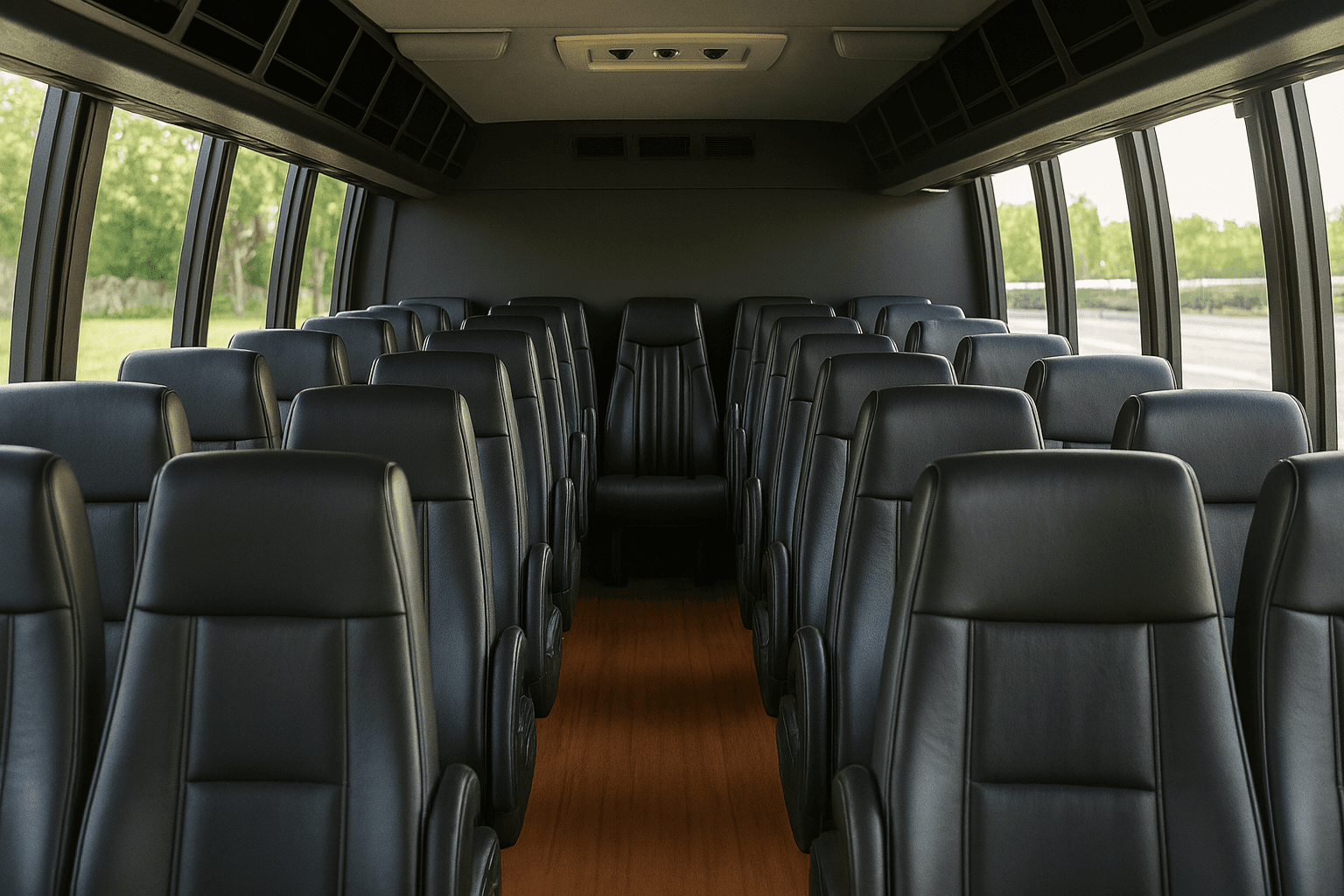
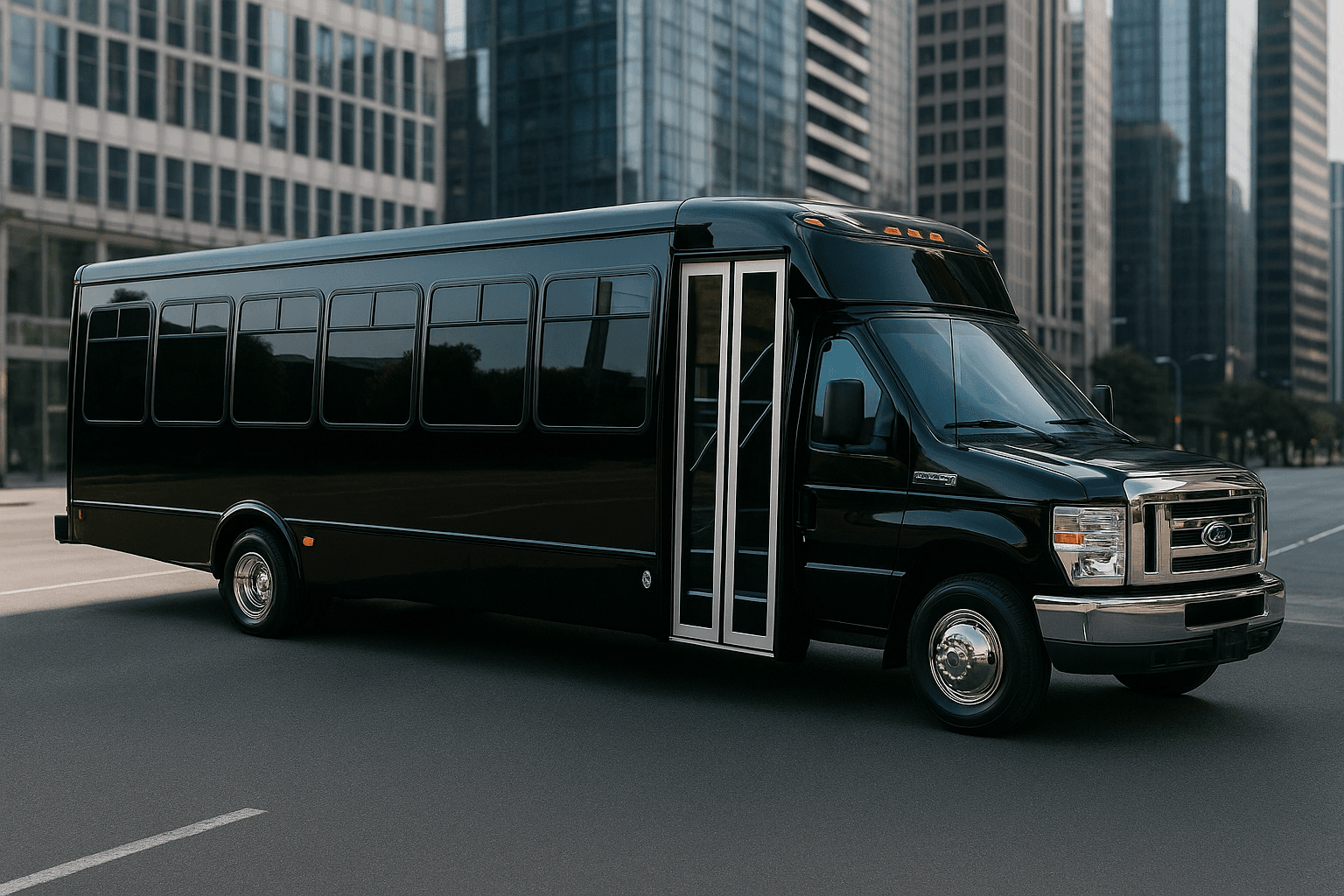
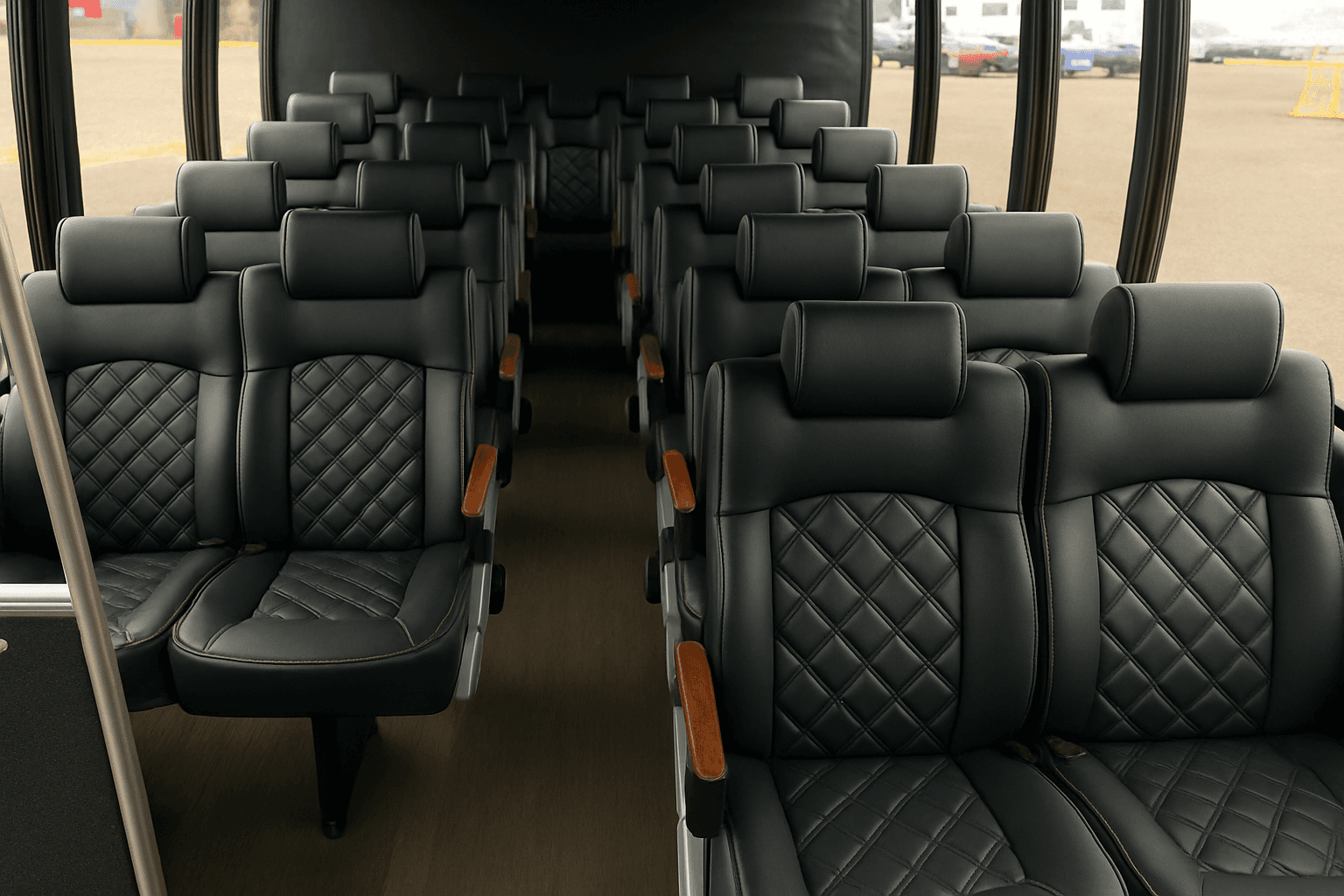
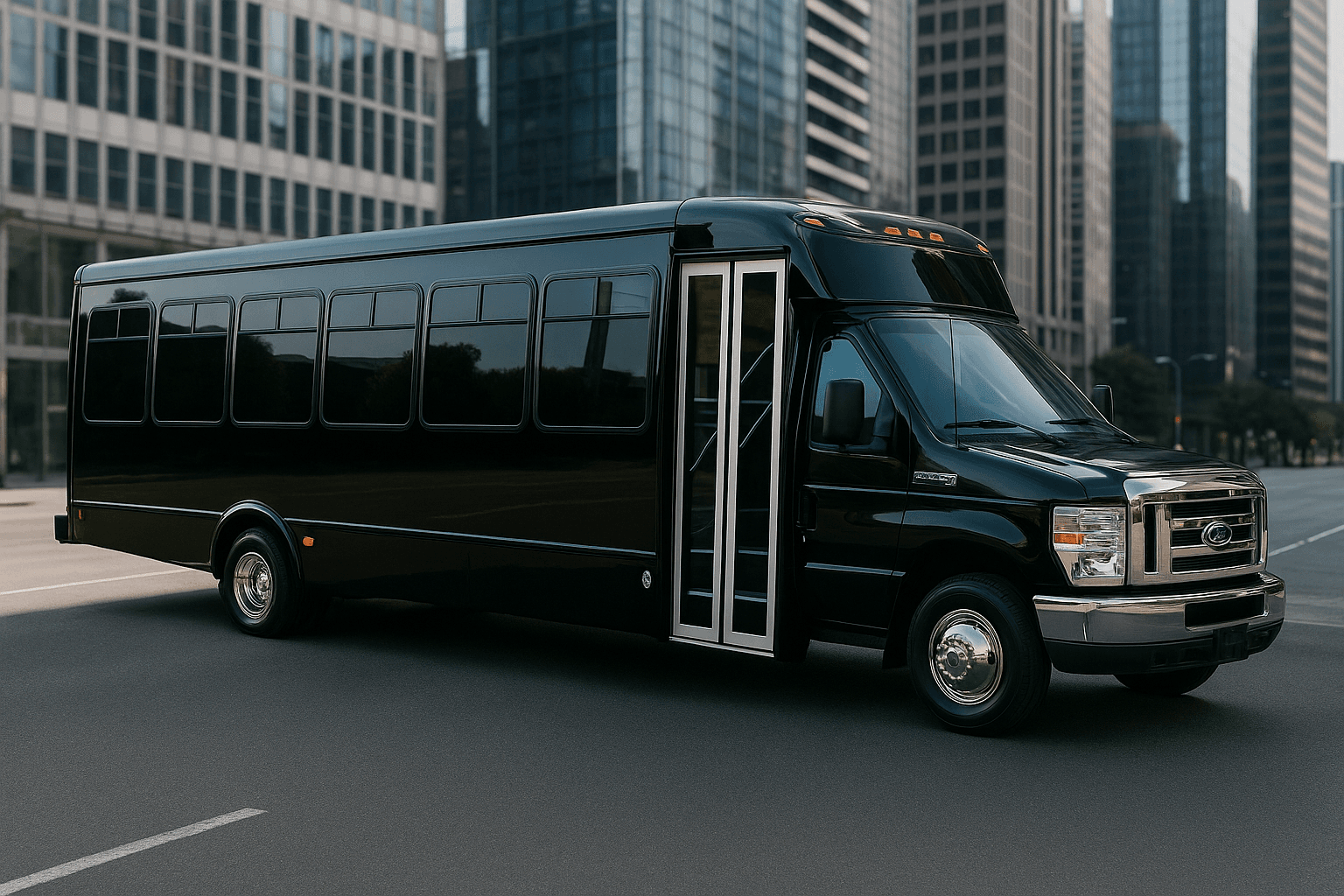
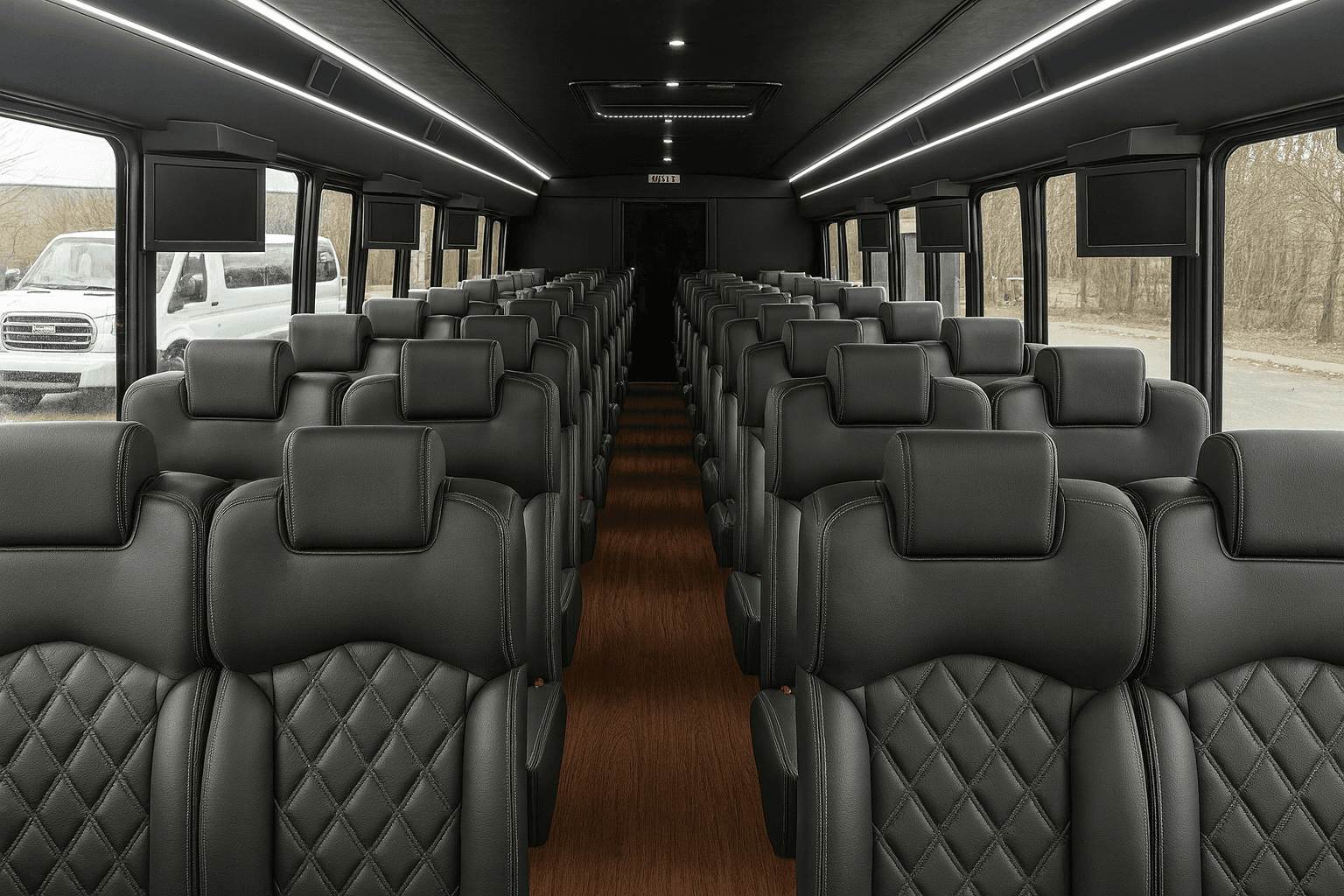
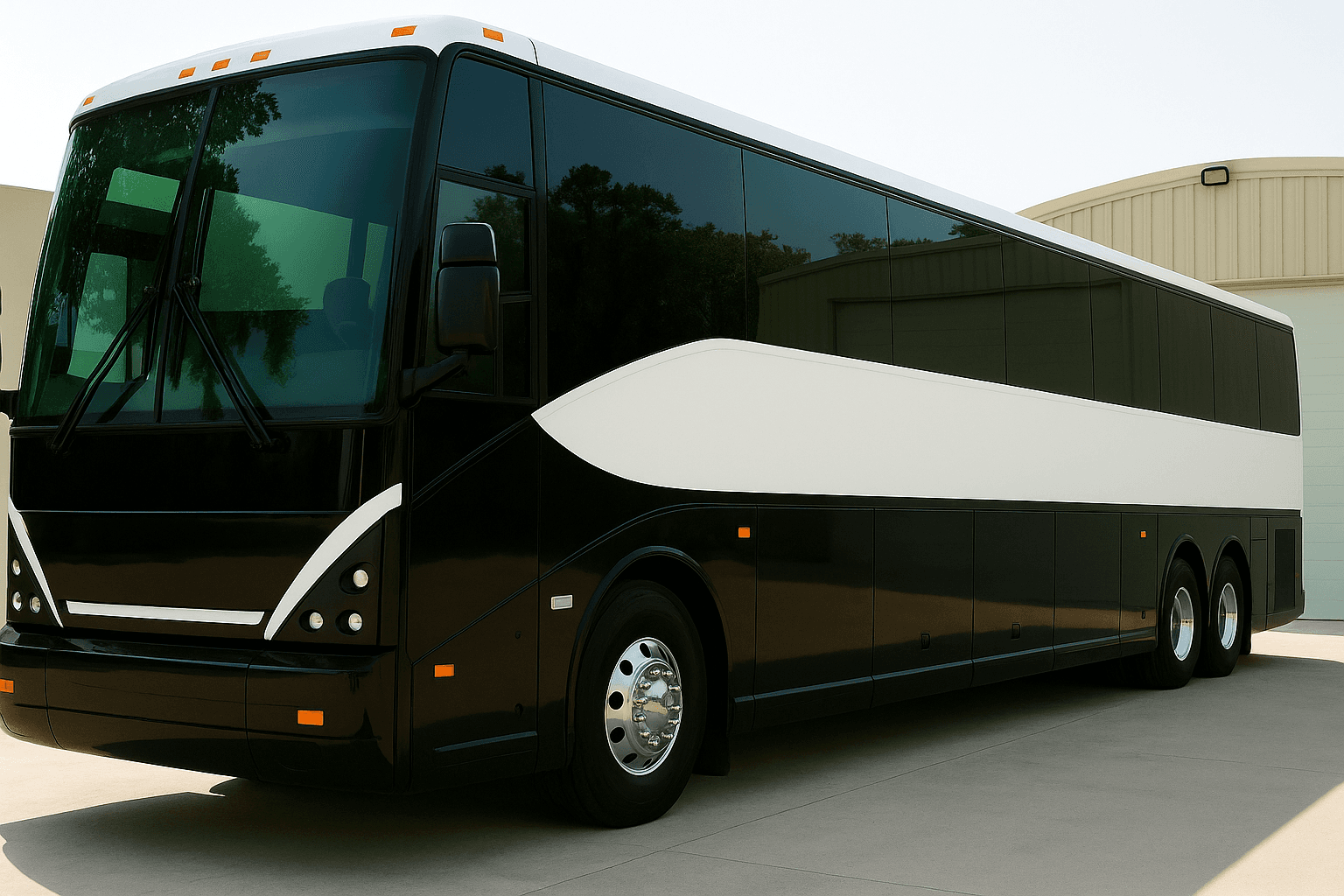
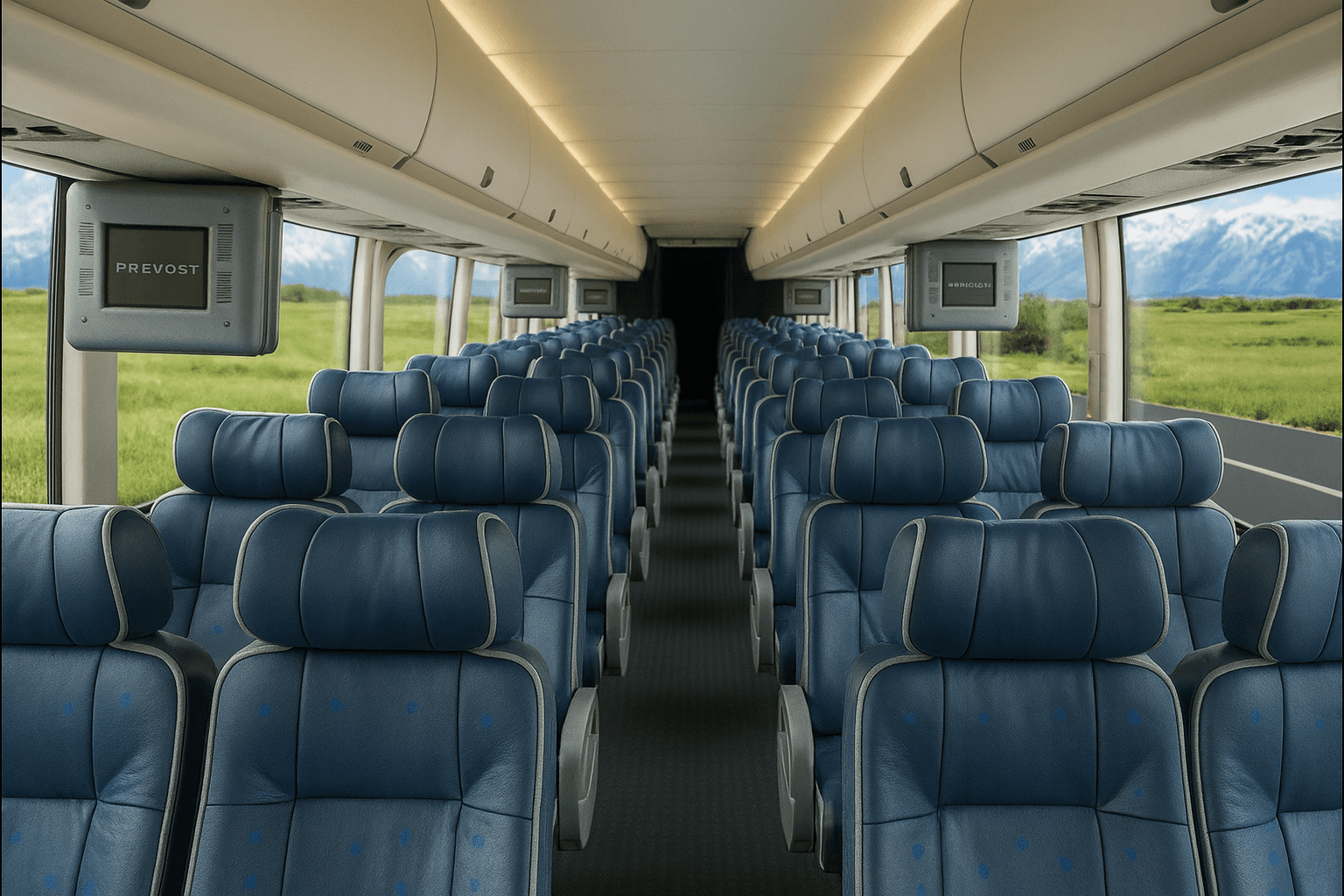
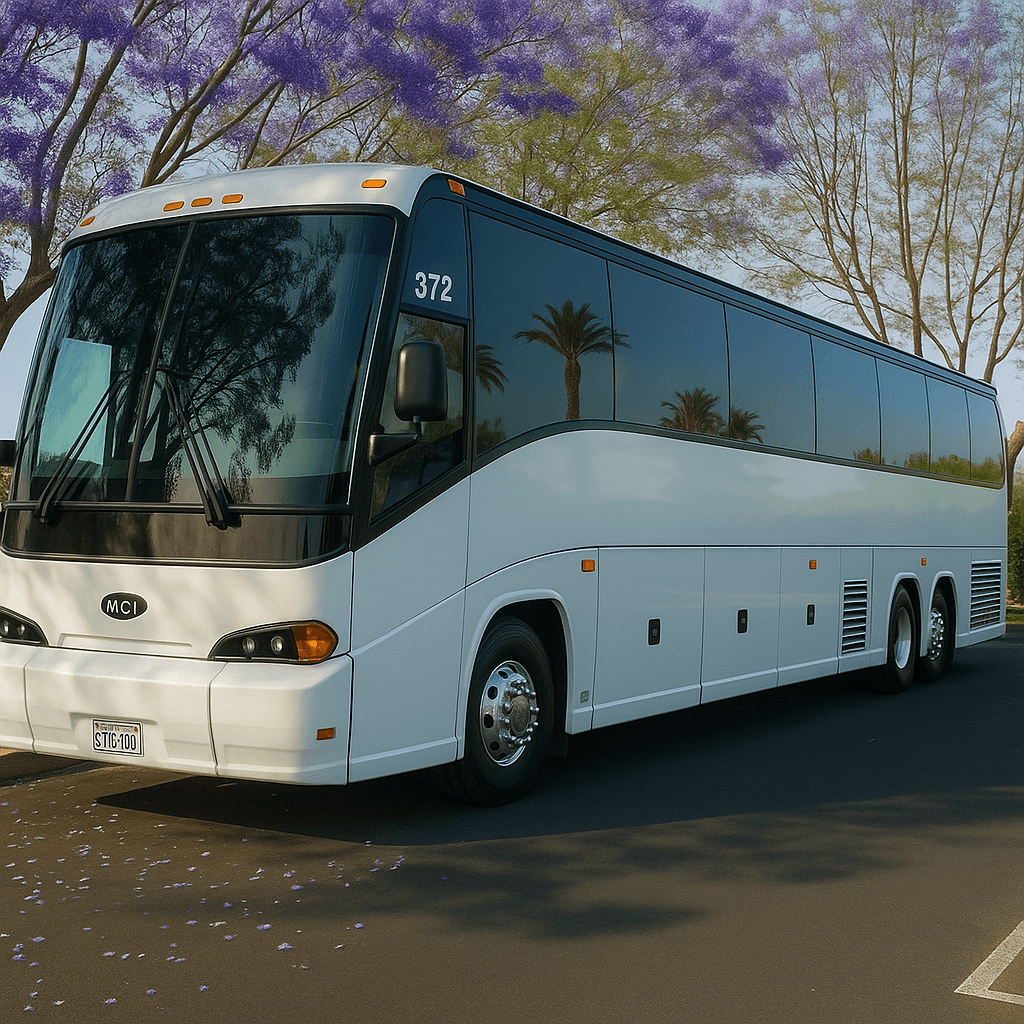
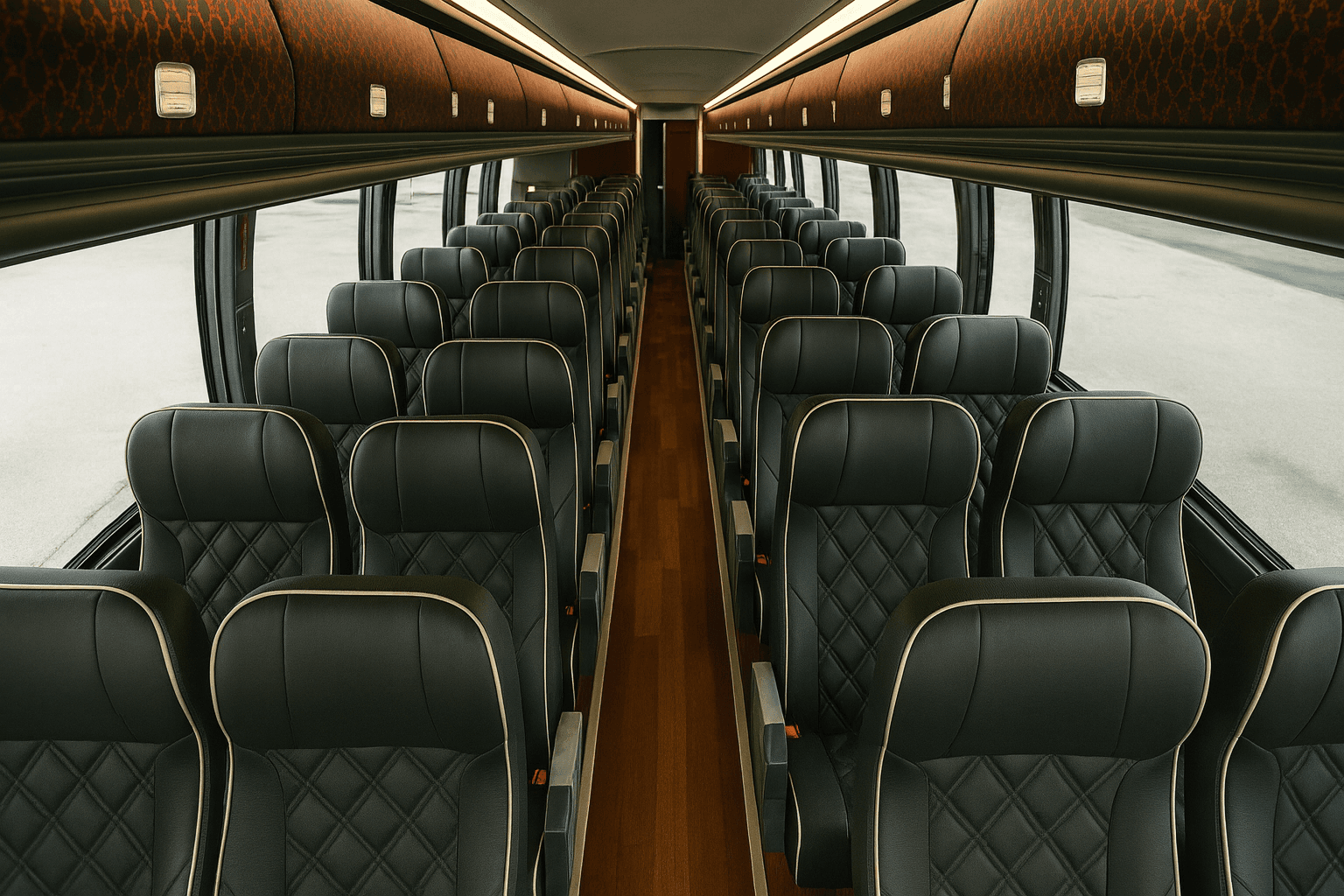
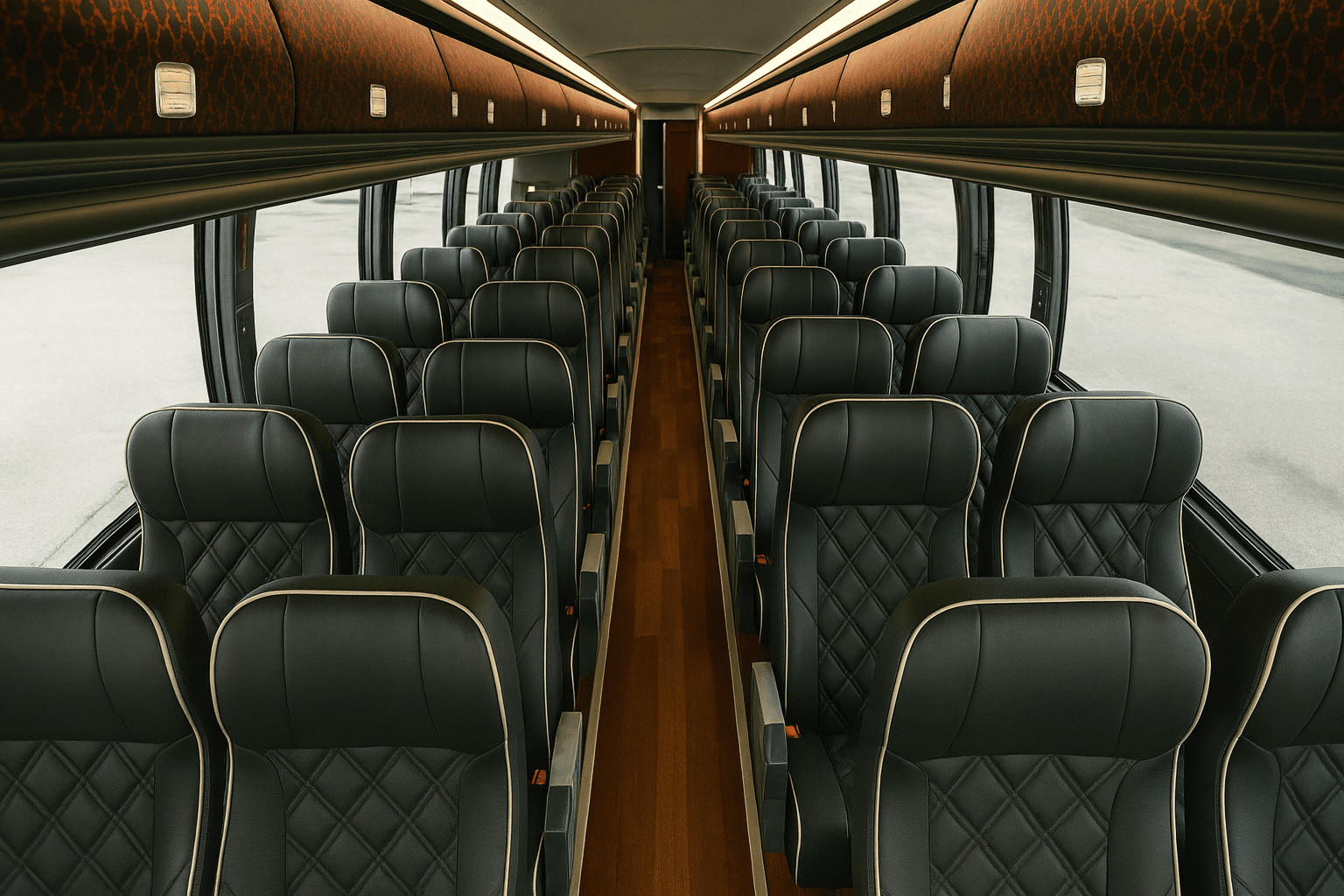
When a group outgrows a single van or SUV, the planner faces a structural decision: book one coach bus to hold everyone, or split the group across several smaller vehicles. Both strategies can work, but they create very different trip experiences — and the better choice depends on more than just the per-person price. Here is how the two approaches compare across the factors that matter most for real group transportation.
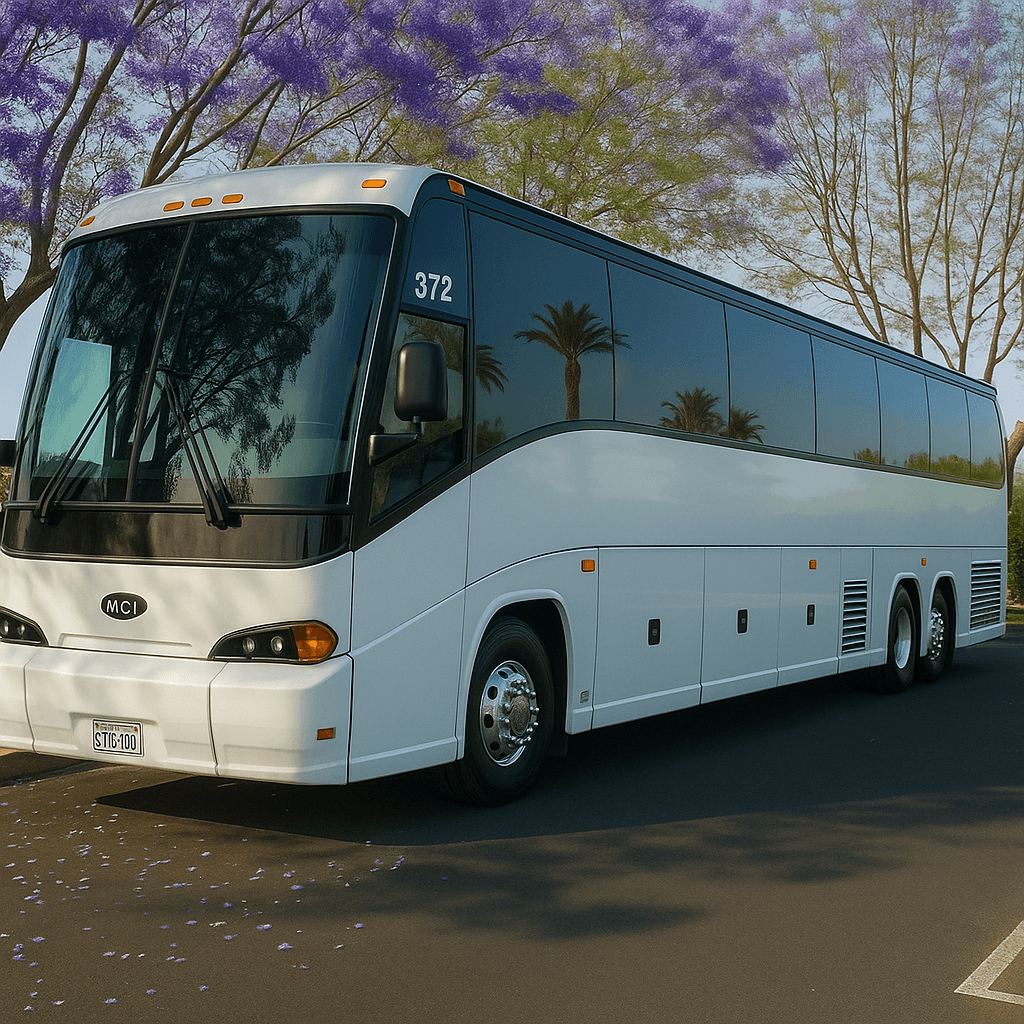
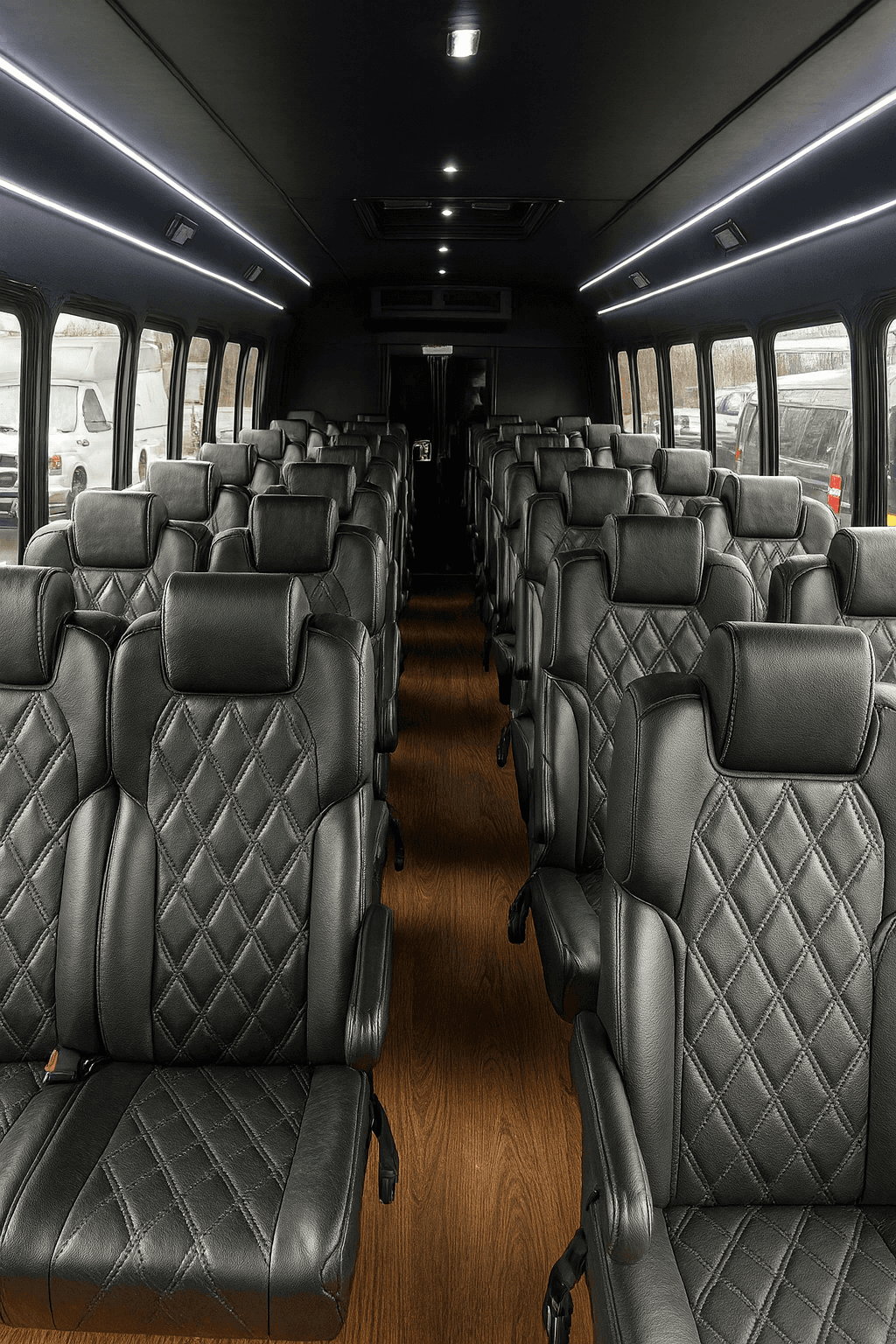
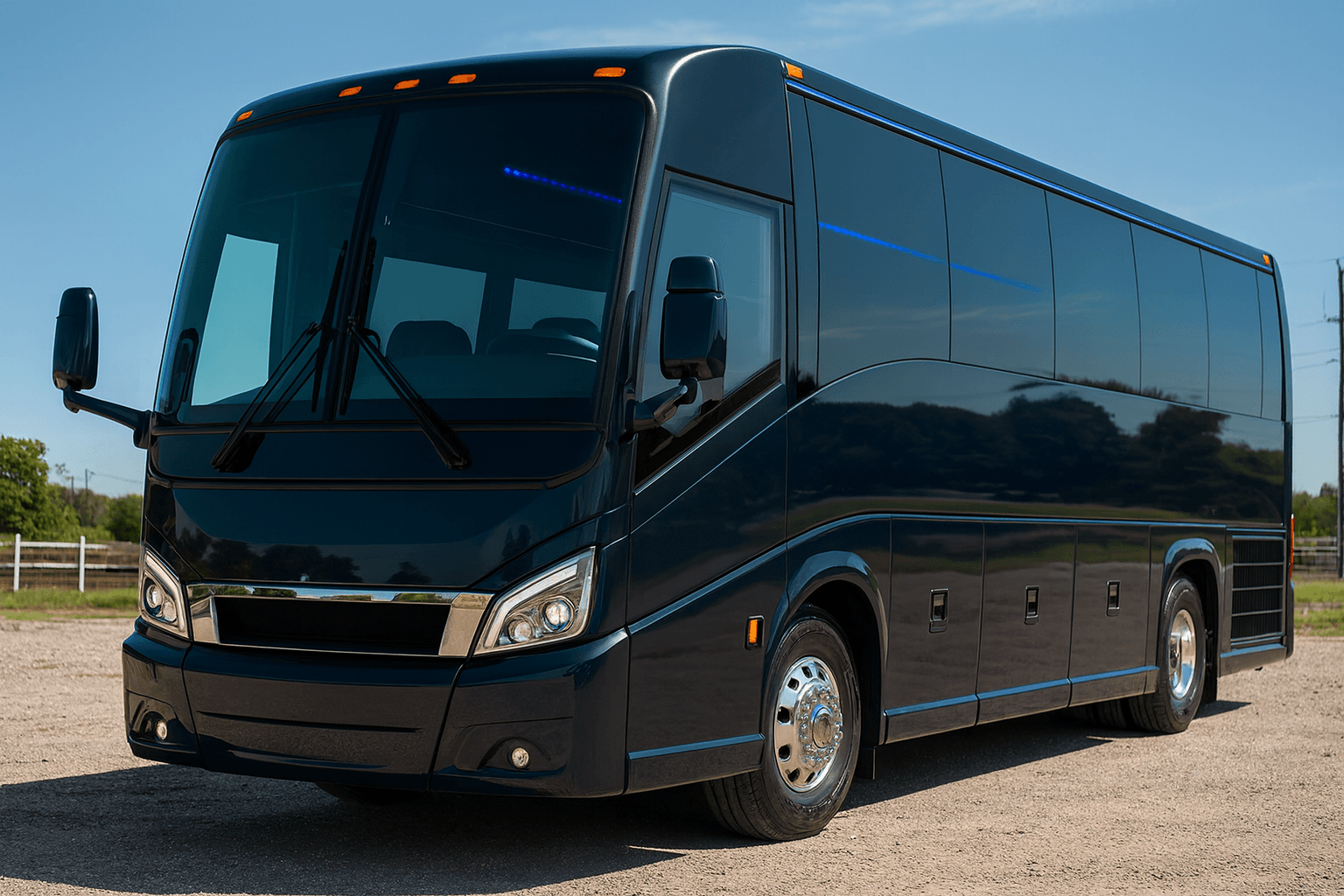
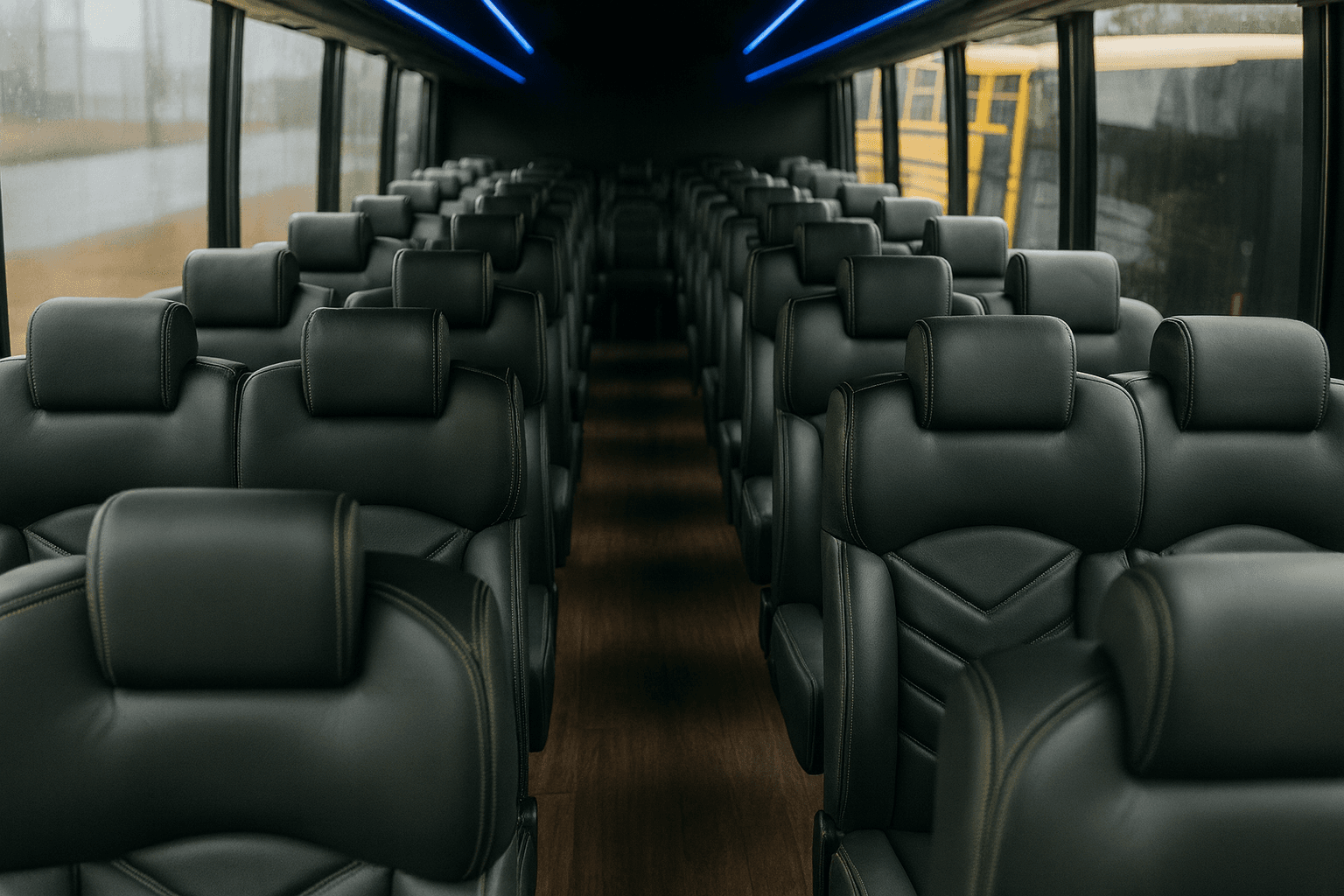
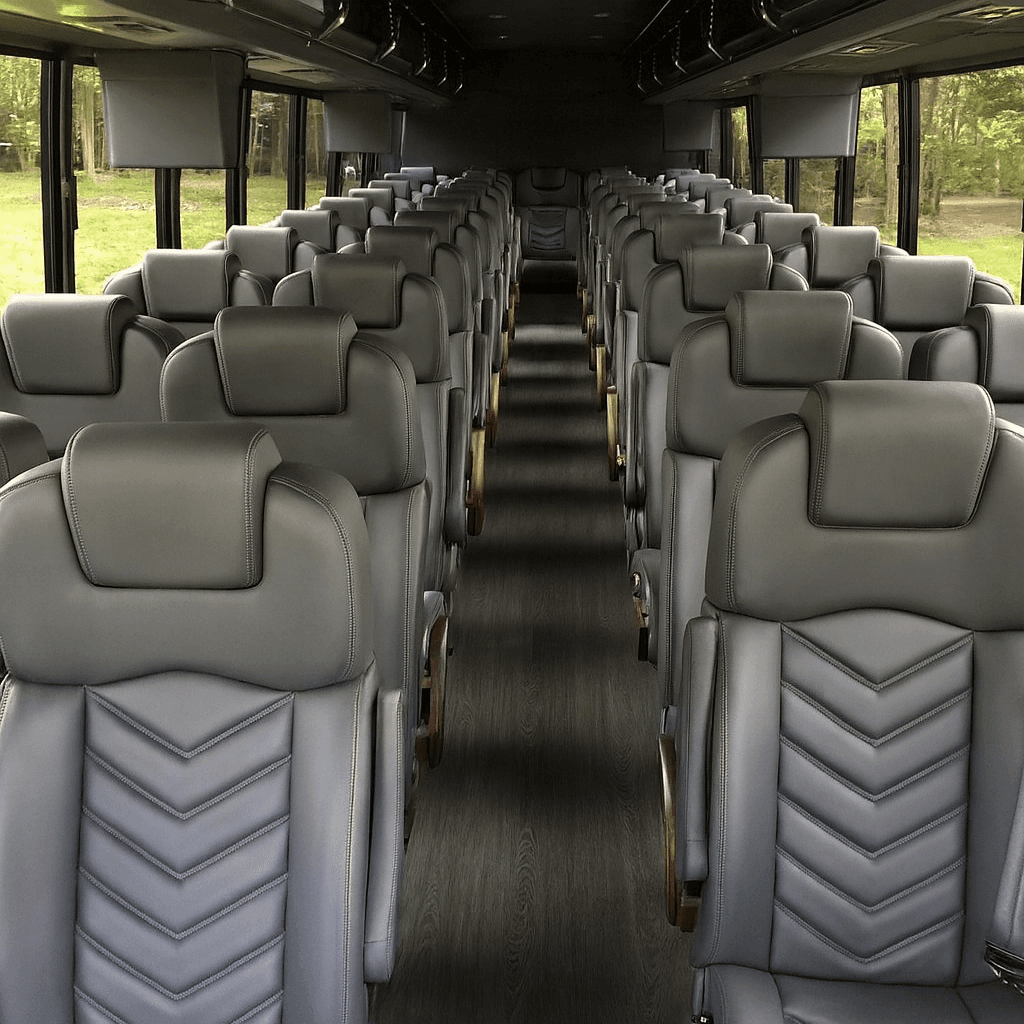
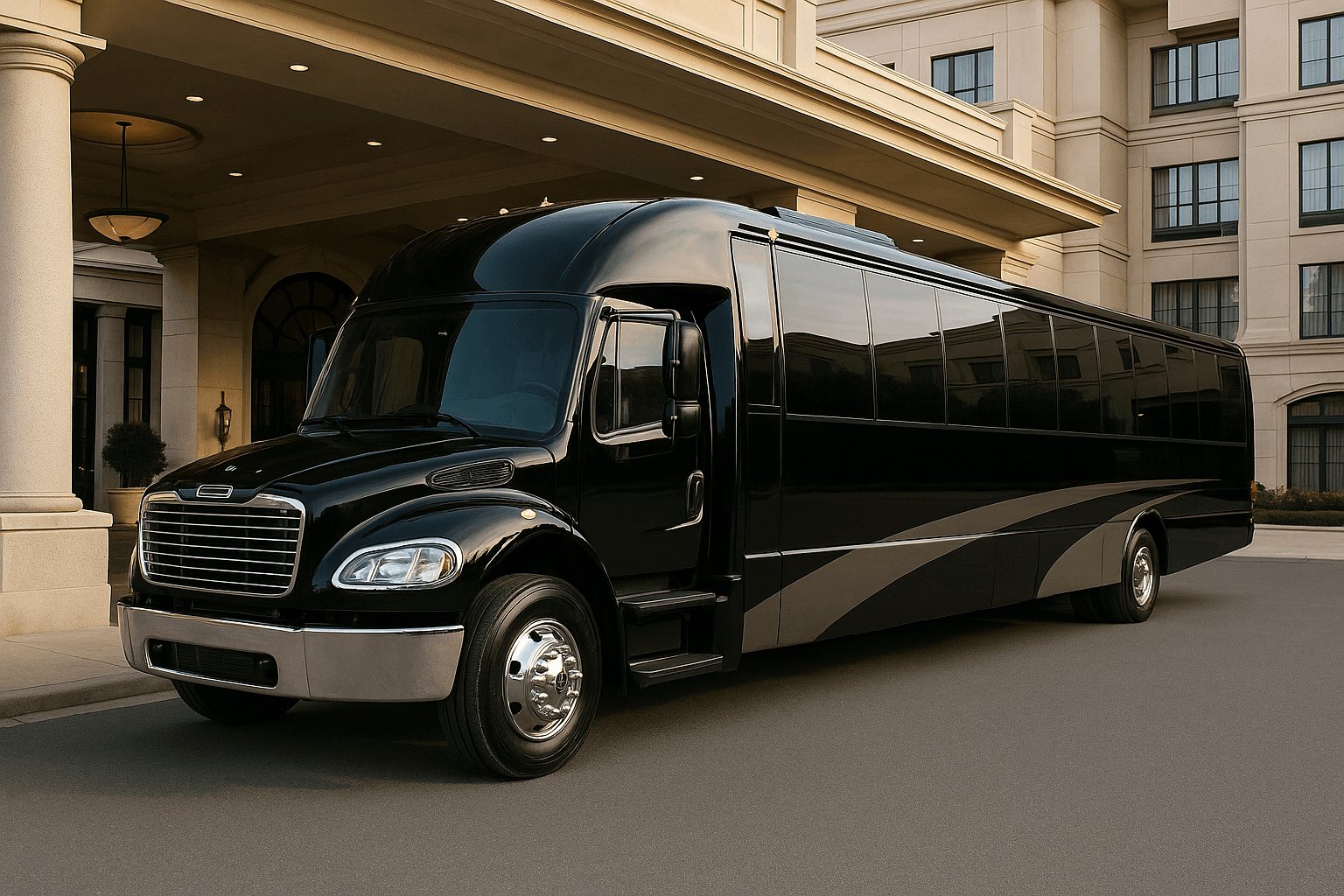
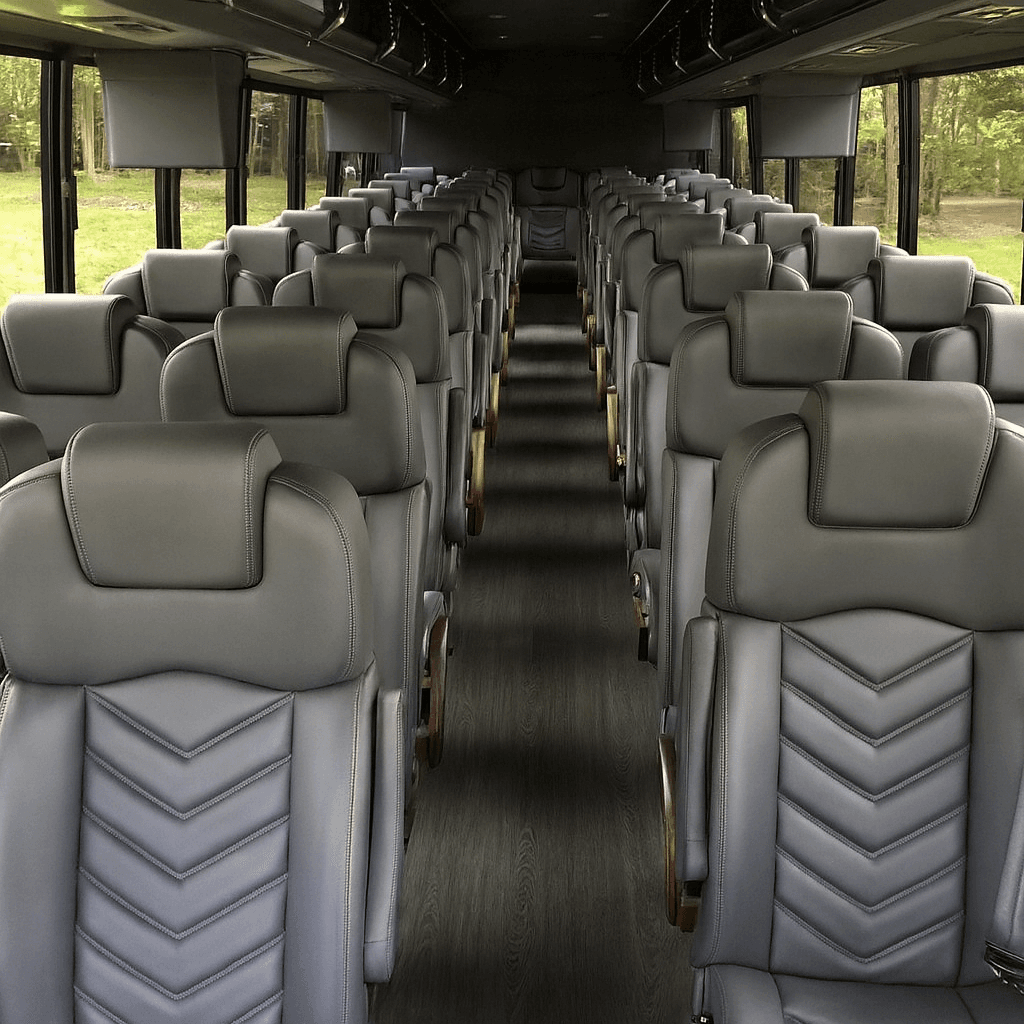
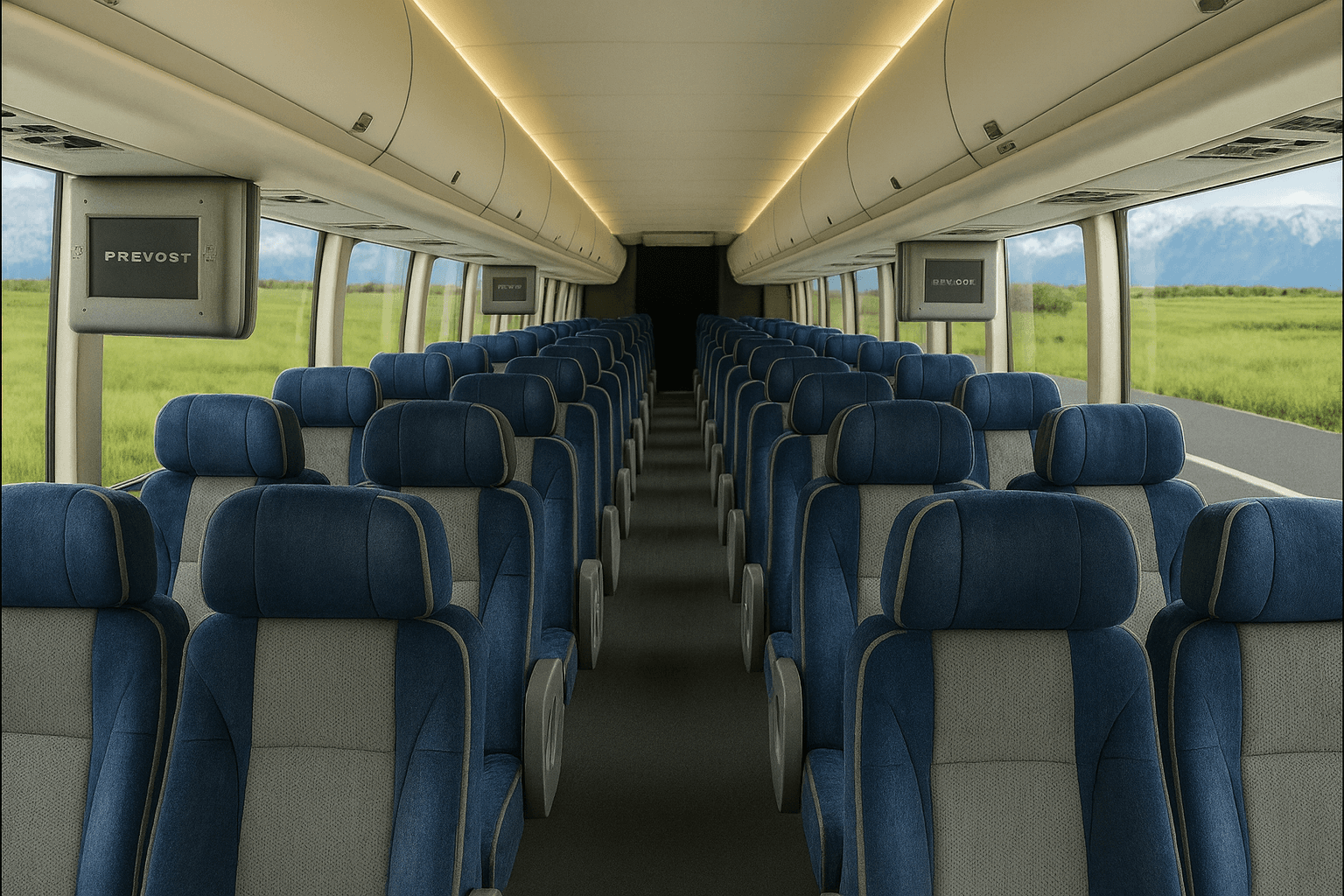
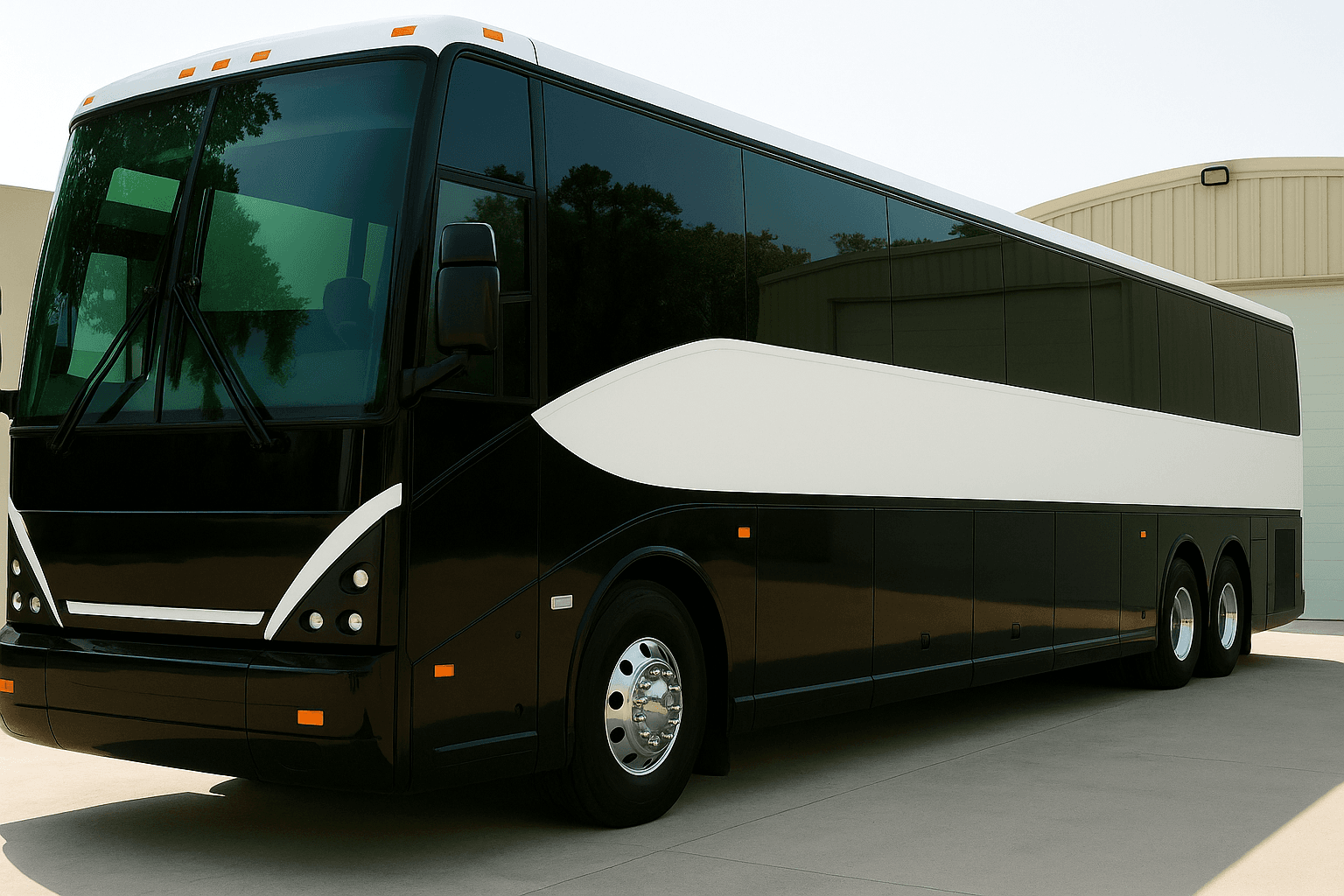
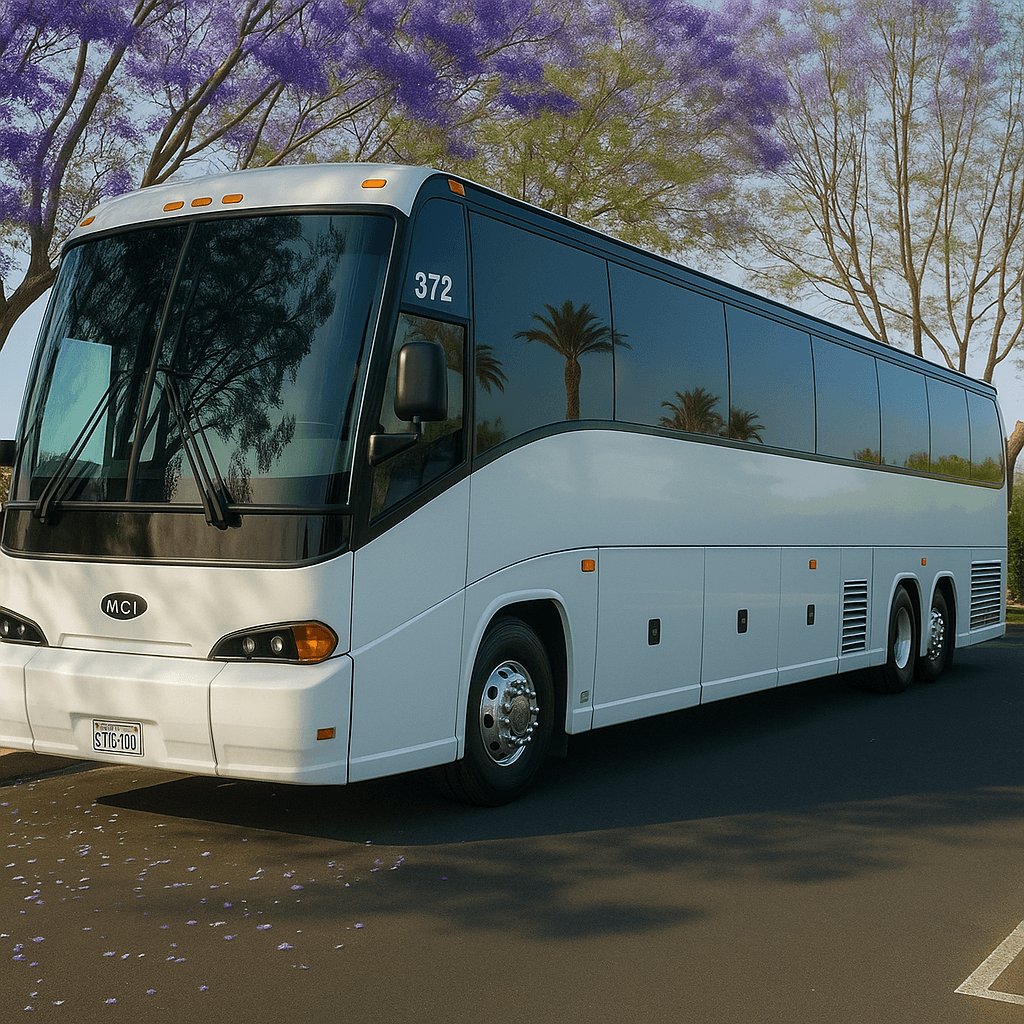
One Coach Bus
- The entire group stays together for the full trip — same arrival time, same departure time, same route
- Single point of contact with one driver; one itinerary to manage
- Per-person cost is often lower at higher passenger counts because one vehicle replaces multiple separate rentals
- One set of documents to review: one quote, one contract, one cancellation policy, one overtime rate
- Coordination during the trip is minimal — no need to sync multiple vehicles across traffic, parking, or venue timing
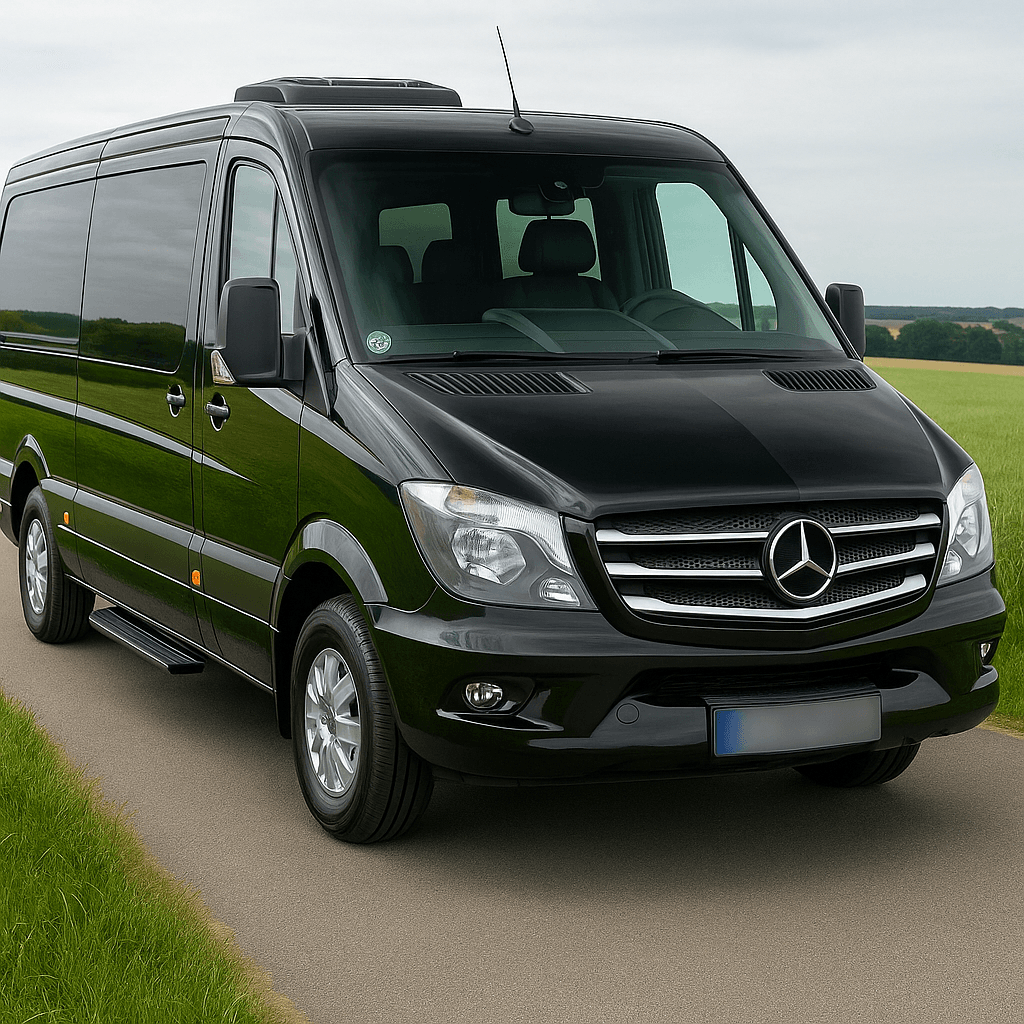
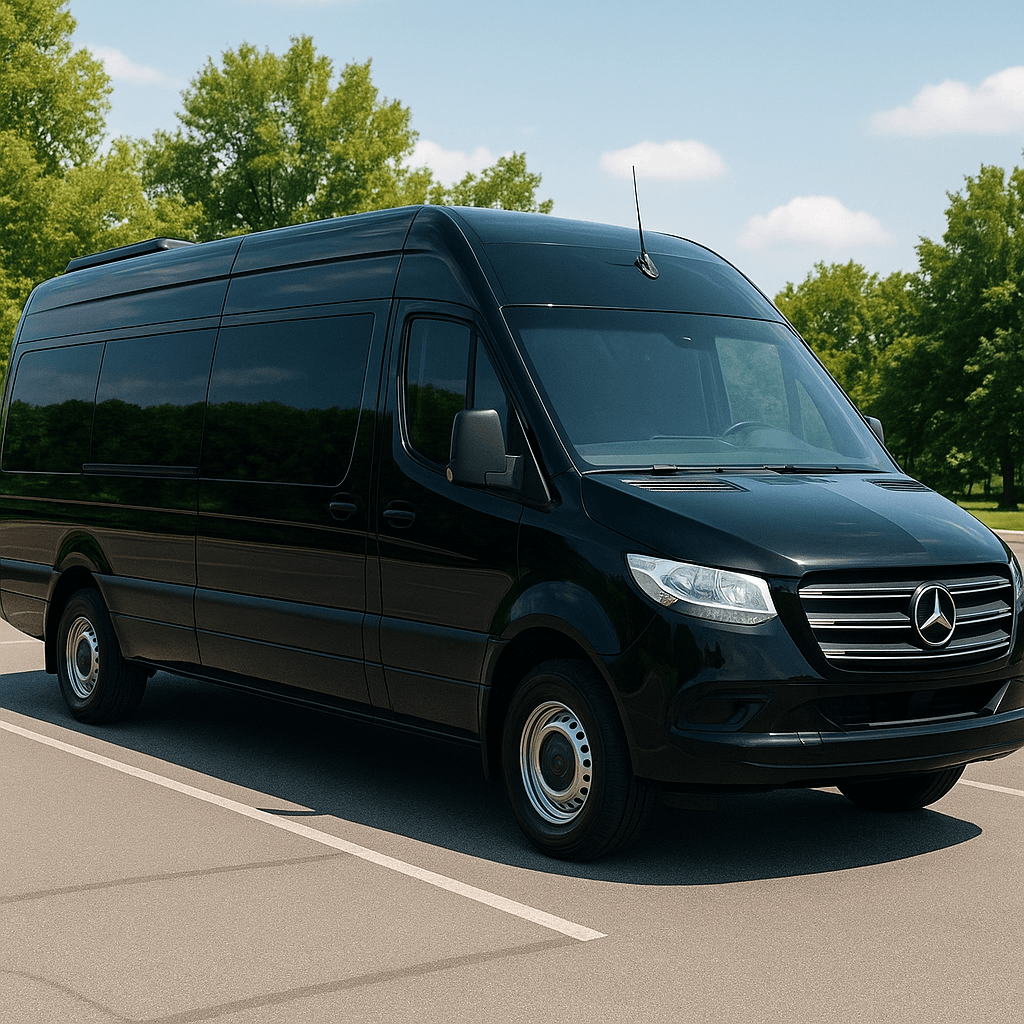
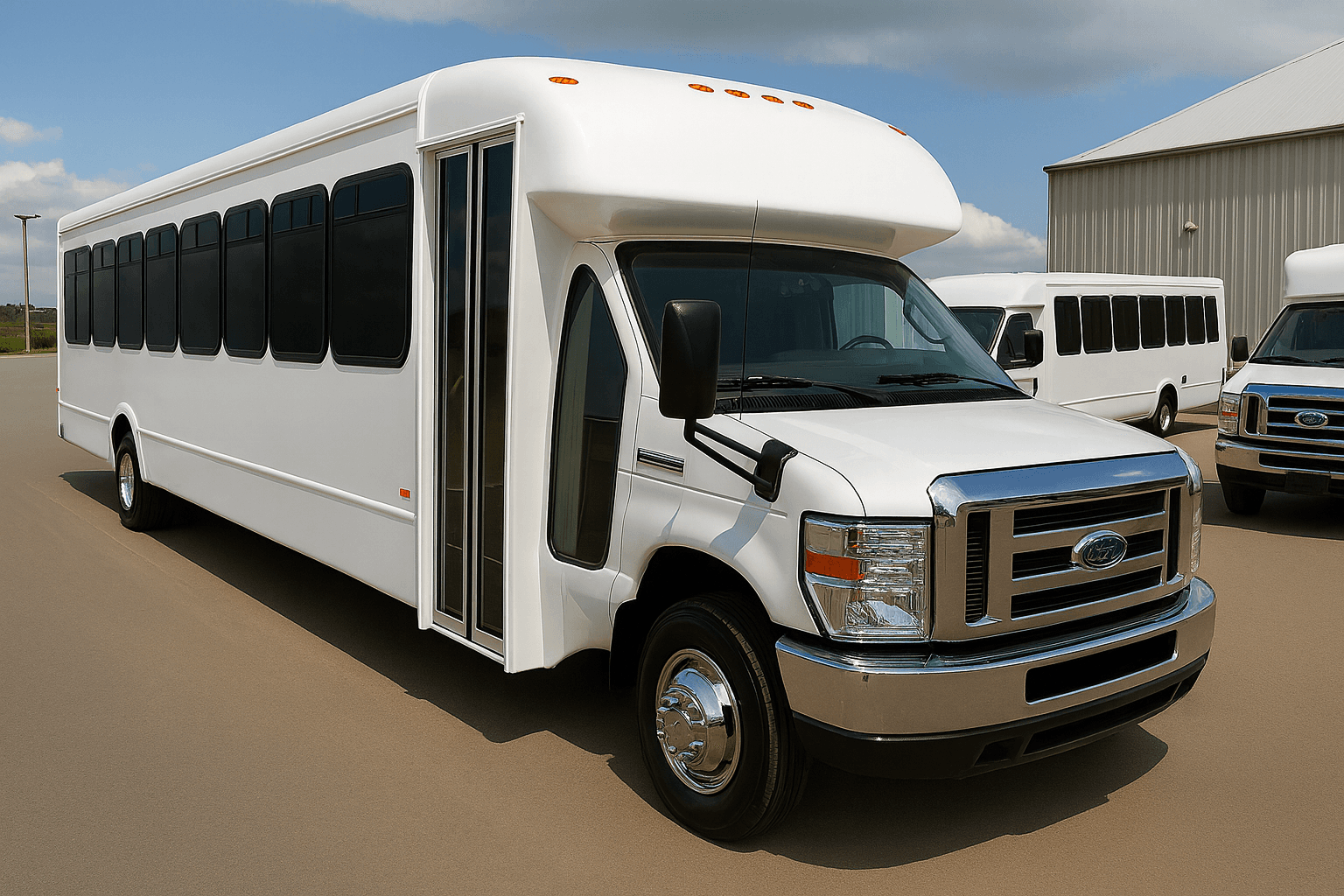
Multiple Smaller Vehicles
- Sub-groups can run independent schedules — for example, half the group returns early while the rest stays late
- Smaller vehicles navigate tighter streets, parking garages, and restricted-access venues that cannot accommodate a full coach
- If one vehicle has a mechanical issue, the entire group is not stranded — the other vehicles can adjust
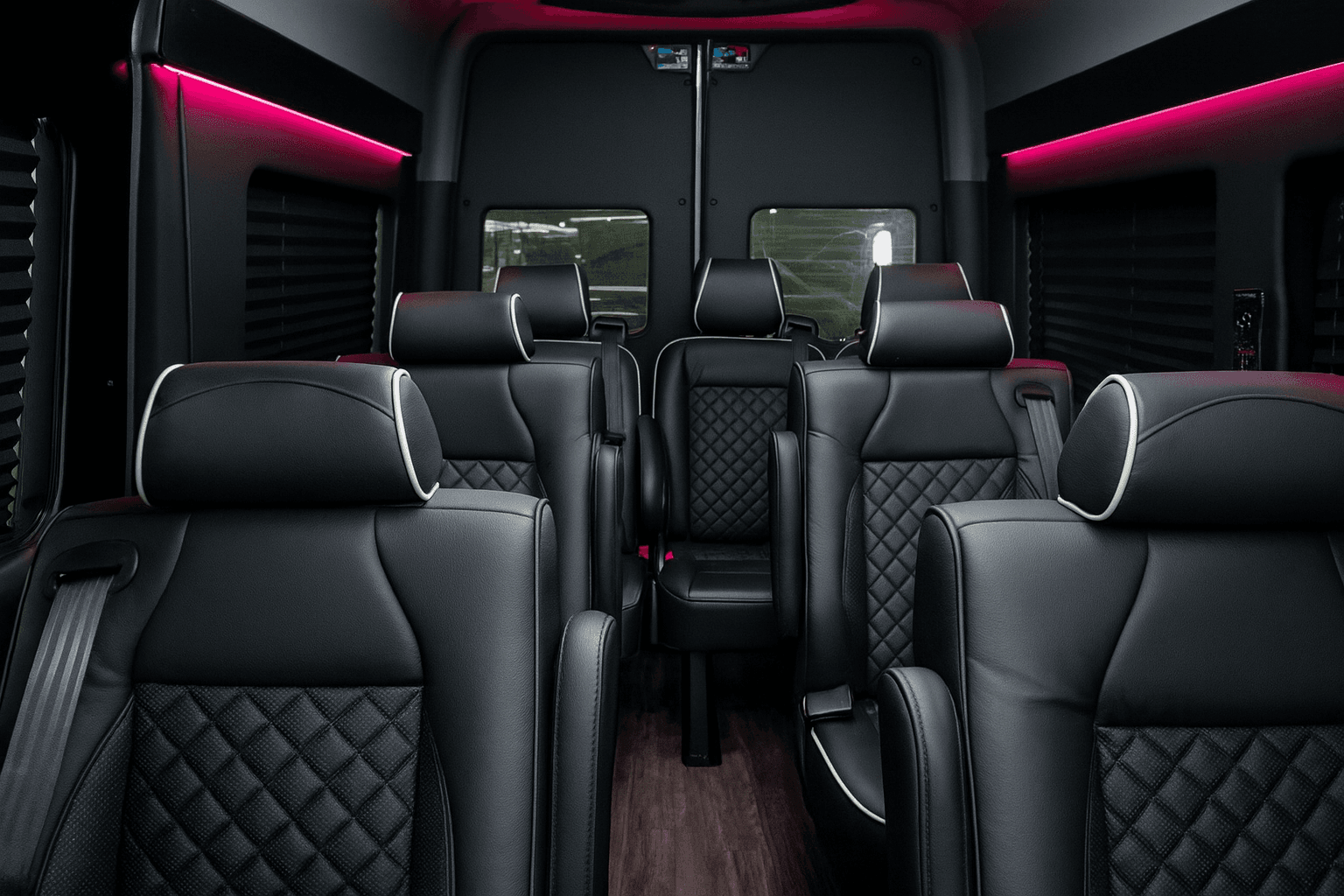
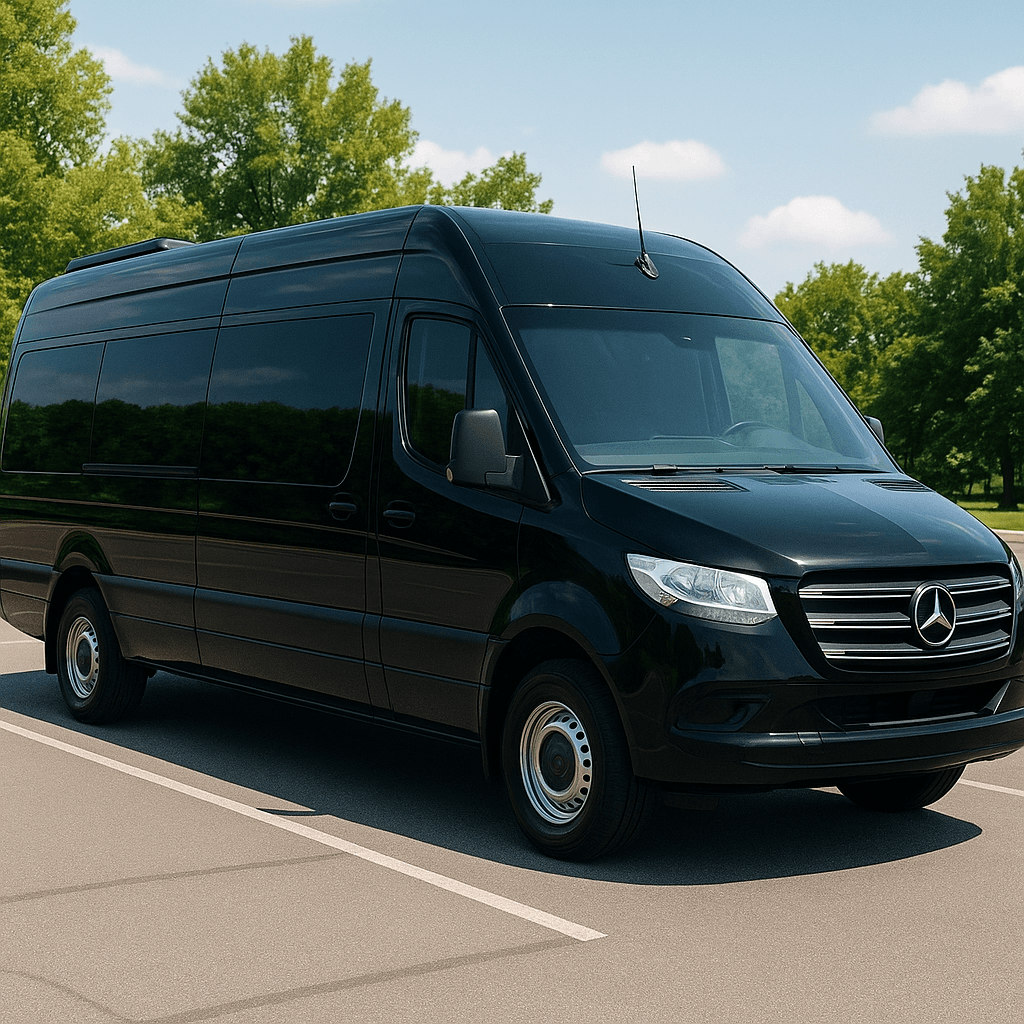
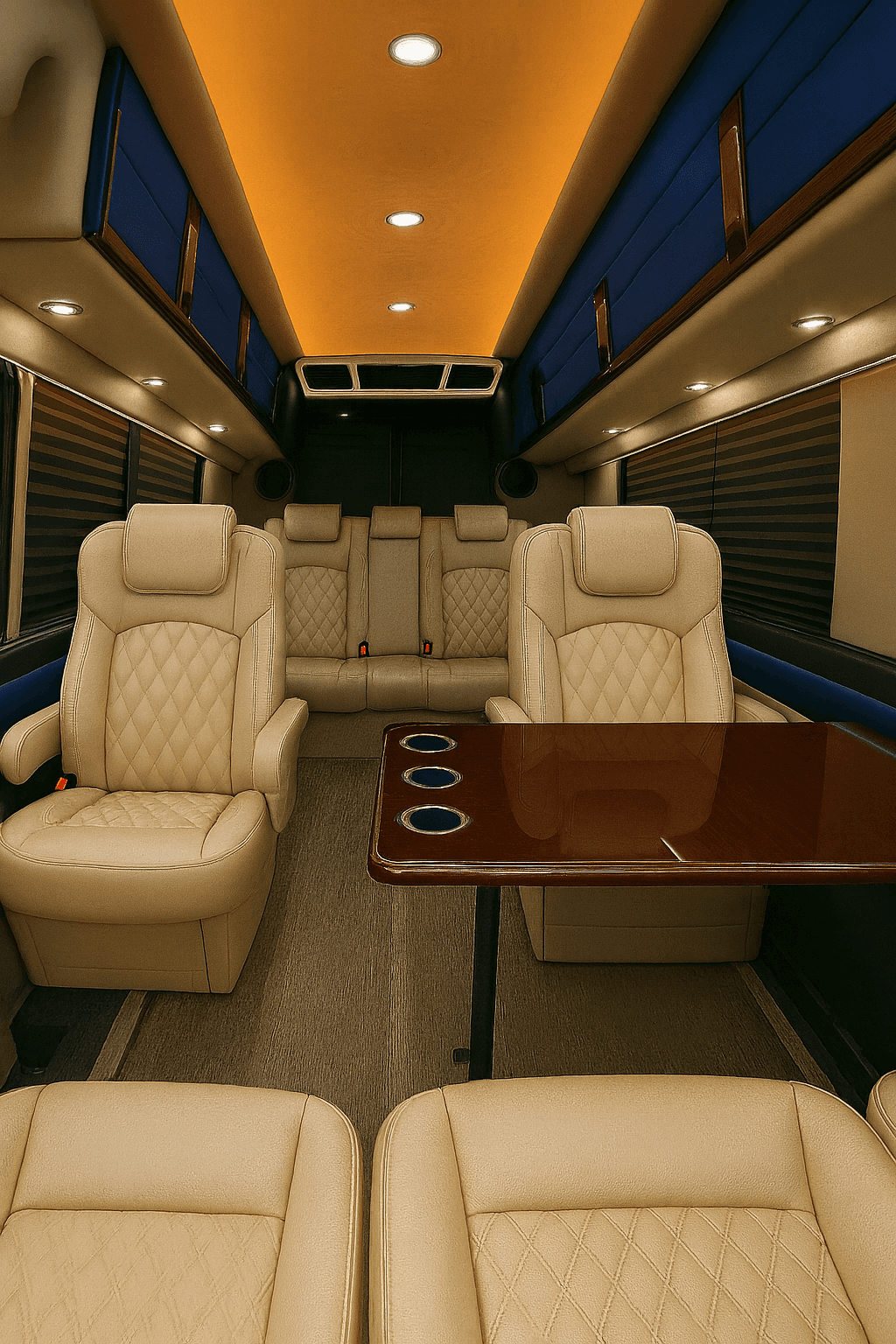
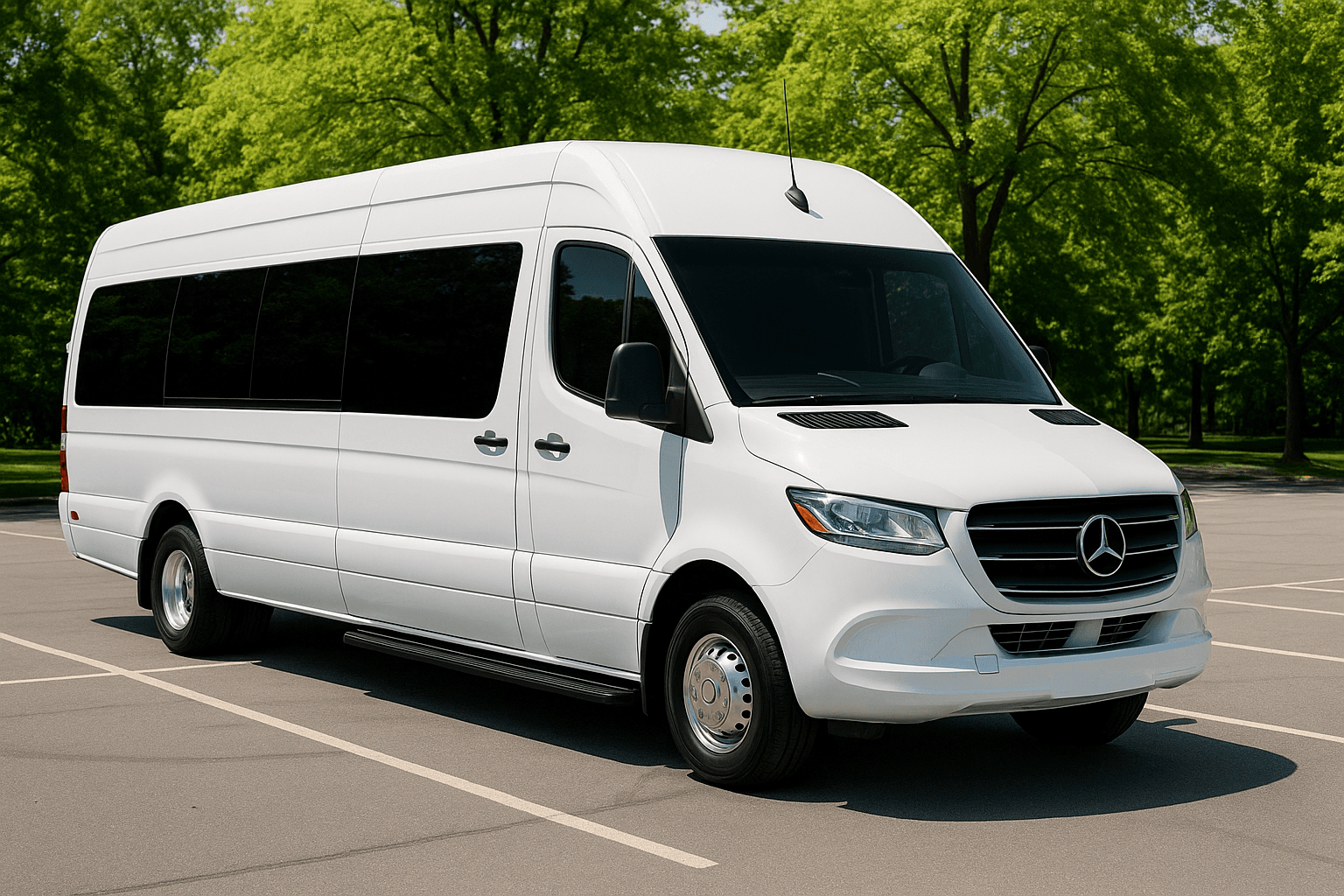
- Different vehicle types can serve different needs — a sedan for executives and a sprinter for staff, for example
- Multiple quotes and contracts mean more paperwork and separate terms to track
Cost Comparison: Per-Person Economics
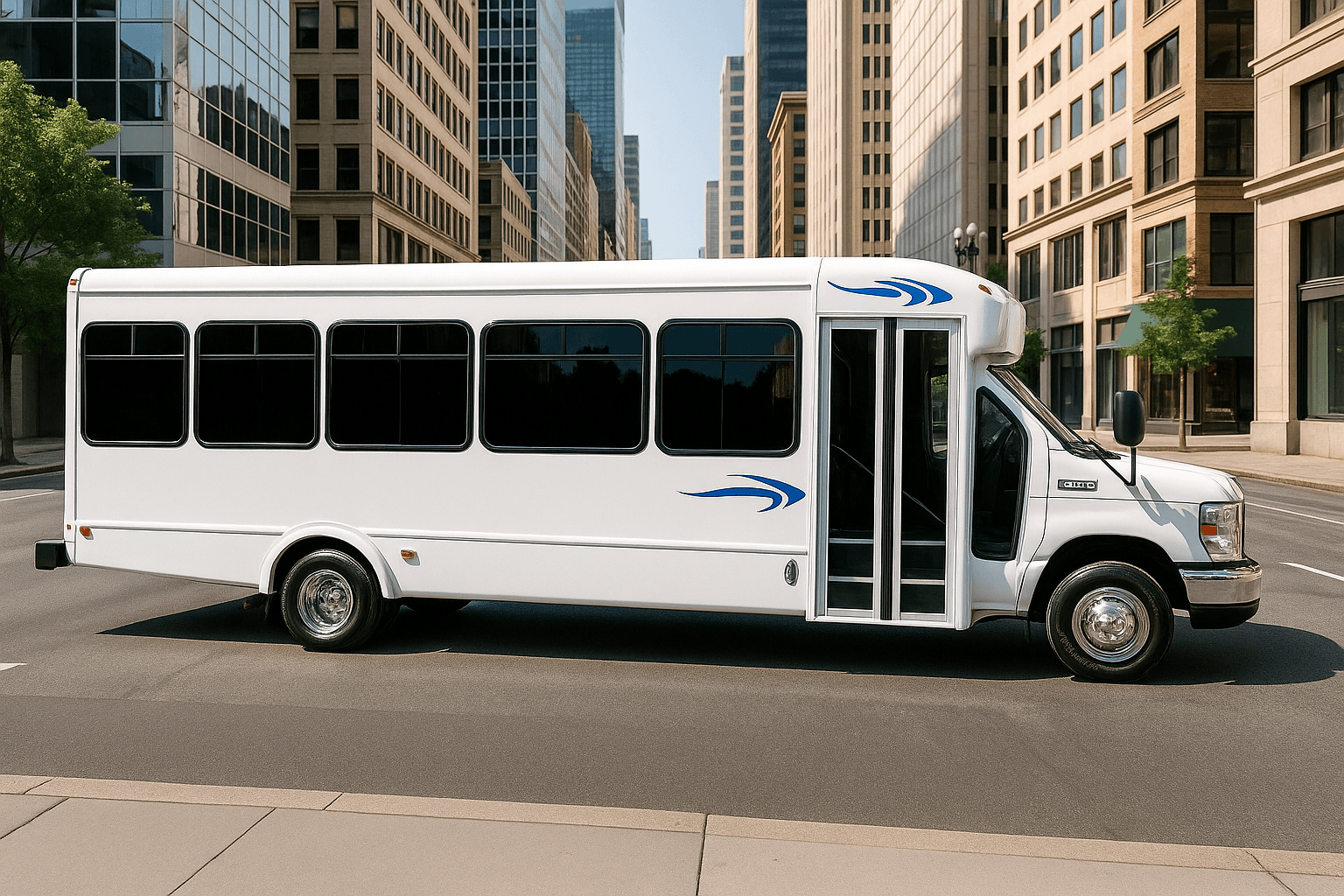
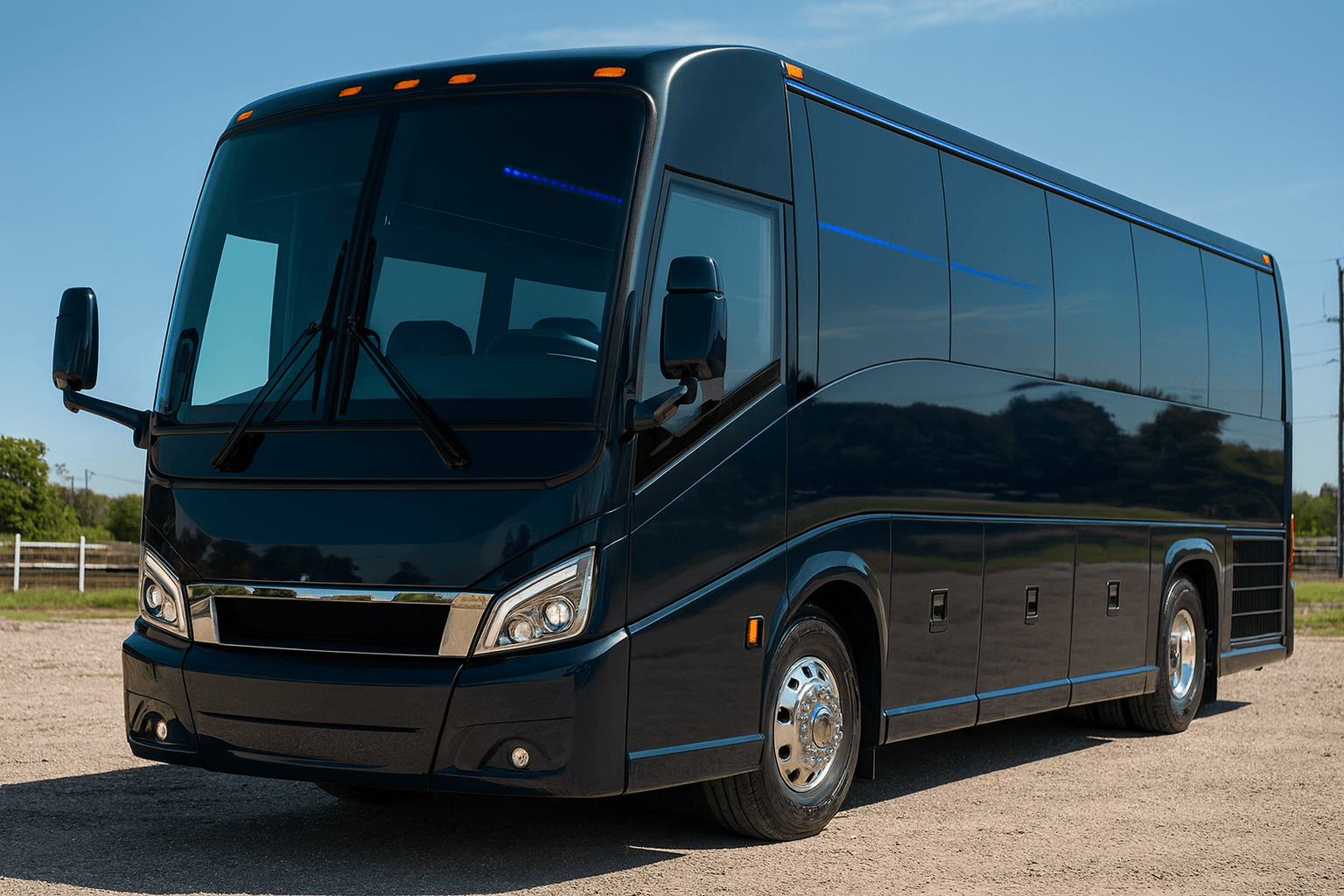
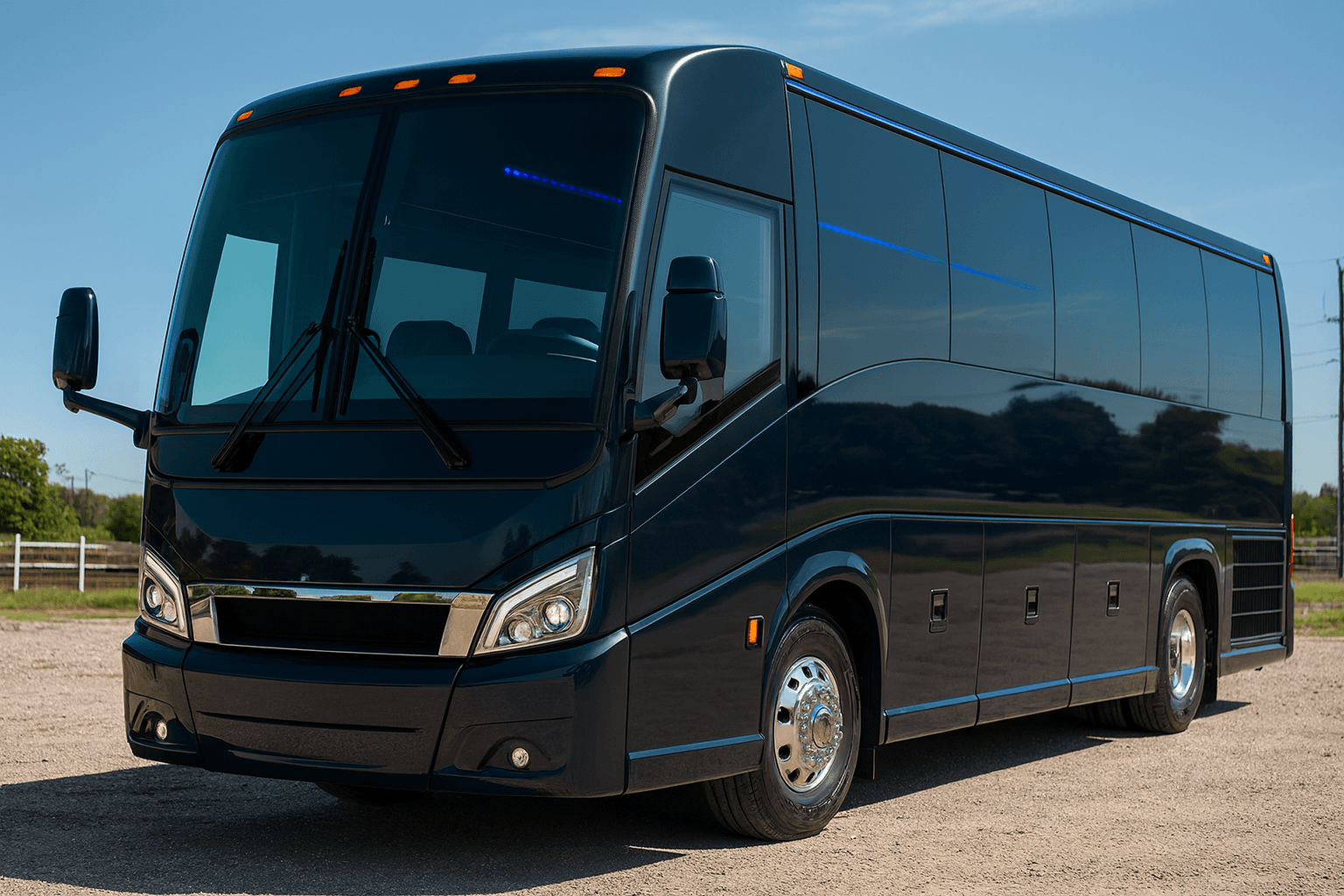
At small-to-medium group sizes — say 10 to 25 passengers — splitting across two or three SUVs, sedans, or sprinter vans can sometimes be comparable to a single mini coach. But as the group passes 30 to 35 people, the math usually shifts. A 56-passenger full-size coach bus distributed across even 25 passengers brings the per-person cost well below what multiple smaller vehicles with separate drivers, separate minimum-hour requirements, and separate administrative overhead can match. The tradeoff is flexibility: the coach bus runs on one schedule, while multiple vehicles can run on staggered or independent timelines. For corporate shuttle loops, conference hotel-to-venue routes, and wedding guest transportation where timed waves of arrivals and departures make sense, the multi-vehicle approach may justify a higher total cost through operational convenience.
Per-person pricing is only one dimension. A coach bus quote may include driver lodging for overnight trips, parking fees at venues, and toll charges that smaller vehicles also face — but those costs are spread across more passengers. When comparing quotes, look at the total written price per person across all vehicles, not just the hourly rate of a single vehicle. Ask whether the coach quote includes gratuity, fuel, and taxes in the same way a multi-vehicle quote does, and make sure the overtime terms are comparable across both approaches.
Coordination: One Schedule vs. Many
A single coach bus eliminates the biggest coordination headache of large-group transportation: getting multiple vehicles to the same place at the same time. With one bus, the planner sets one pickup time, one route, and one set of passenger instructions. Everyone boards together, rides together, and arrives together. This simplicity is especially valuable for school field trips, church groups, sports teams, and corporate outings where the event schedule — not individual preferences — drives the timeline. With multiple vehicles, the planner must communicate separate pickup times and locations, manage different driver contacts, and handle the inevitable moment when one vehicle hits traffic, takes a wrong turn, or loads slower than the others — creating a staggered arrival that can disrupt a tight event schedule.
The multi-vehicle approach shines when the group has genuinely different schedules. A wedding where the bridal party needs a 10 a.m. pickup but guests shuttle from the hotel at 3 p.m. and 5 p.m. is a natural fit for multiple vehicles on staggered timelines. A corporate retreat where some attendees fly in on different flights and need separate airport pickups is another scenario where multiple smaller vehicles make more operational sense. The key is being honest about whether the group truly needs schedule flexibility or simply wants to avoid the upfront cost of a larger vehicle — the latter can backfire when coordination costs (time, stress, late arrivals) pile up on event day.
Venue Access and Parking: The Overlooked Constraint
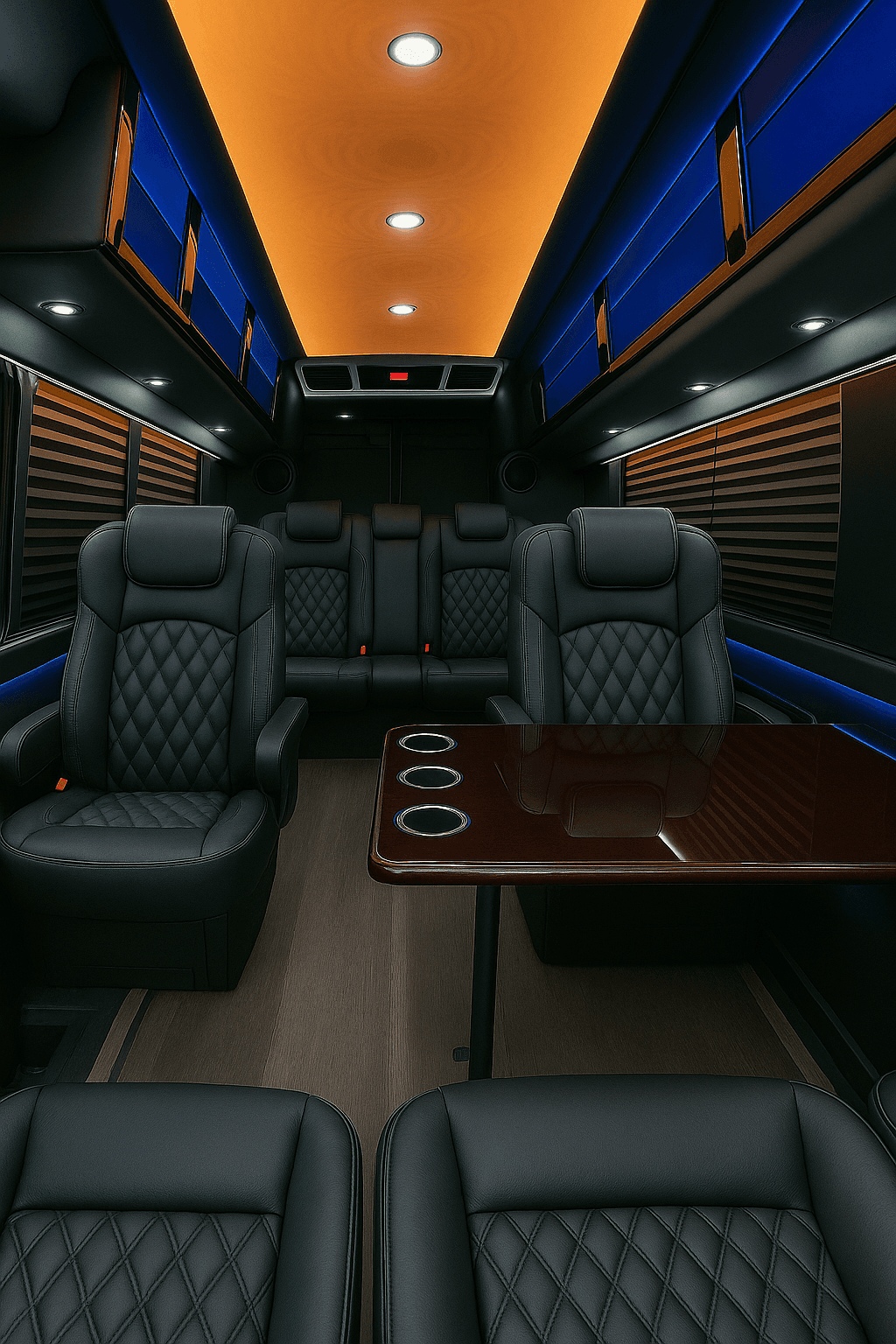
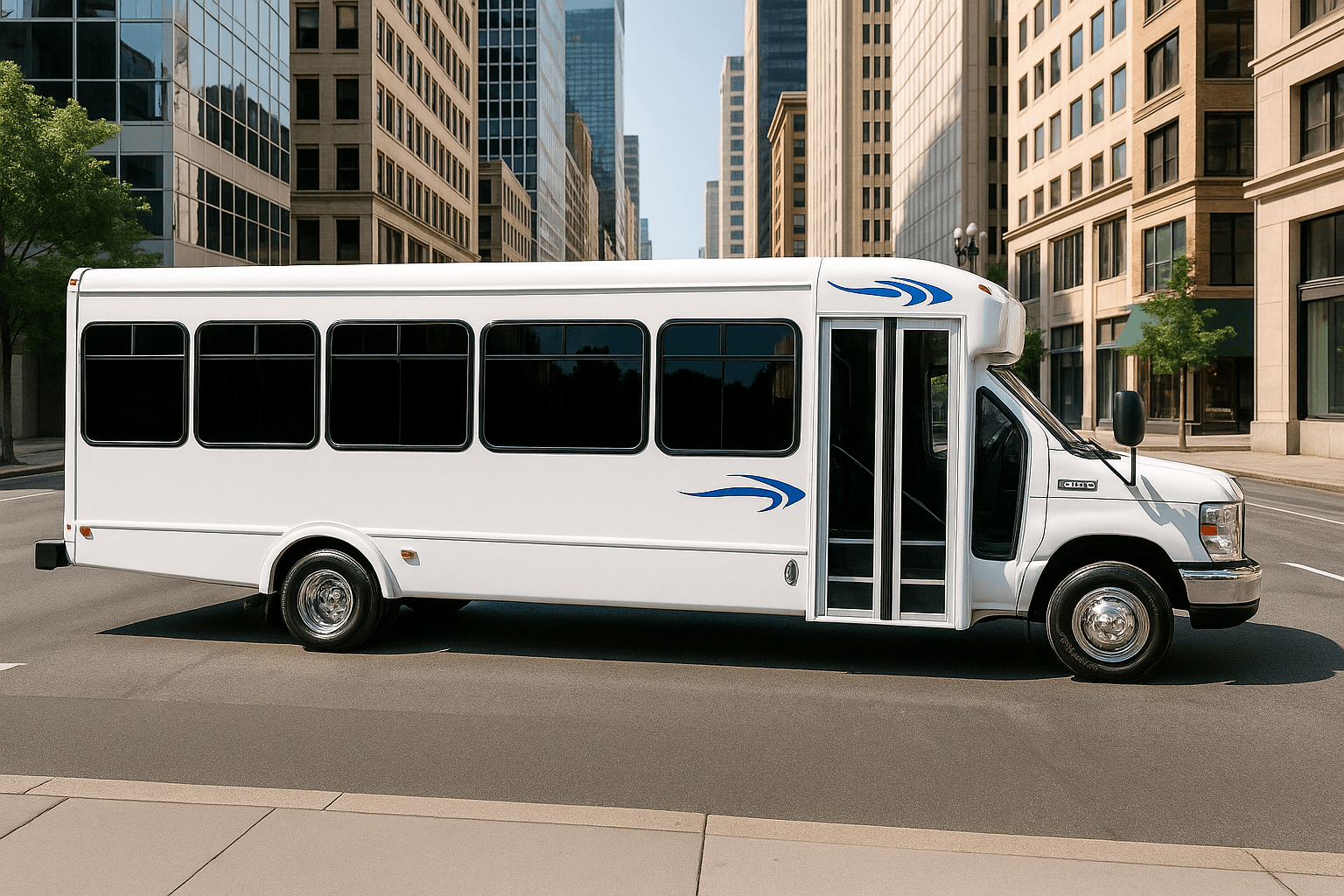
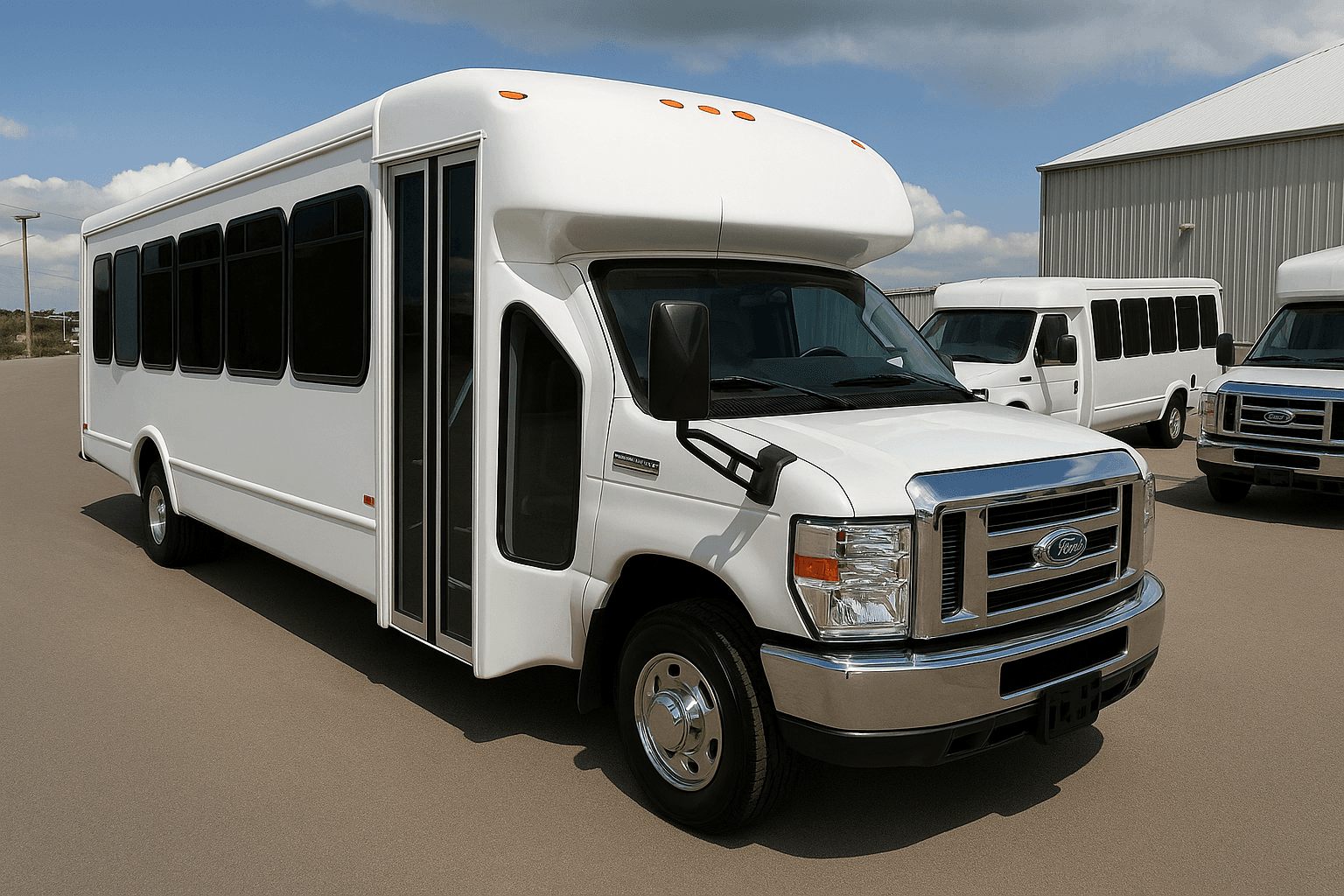
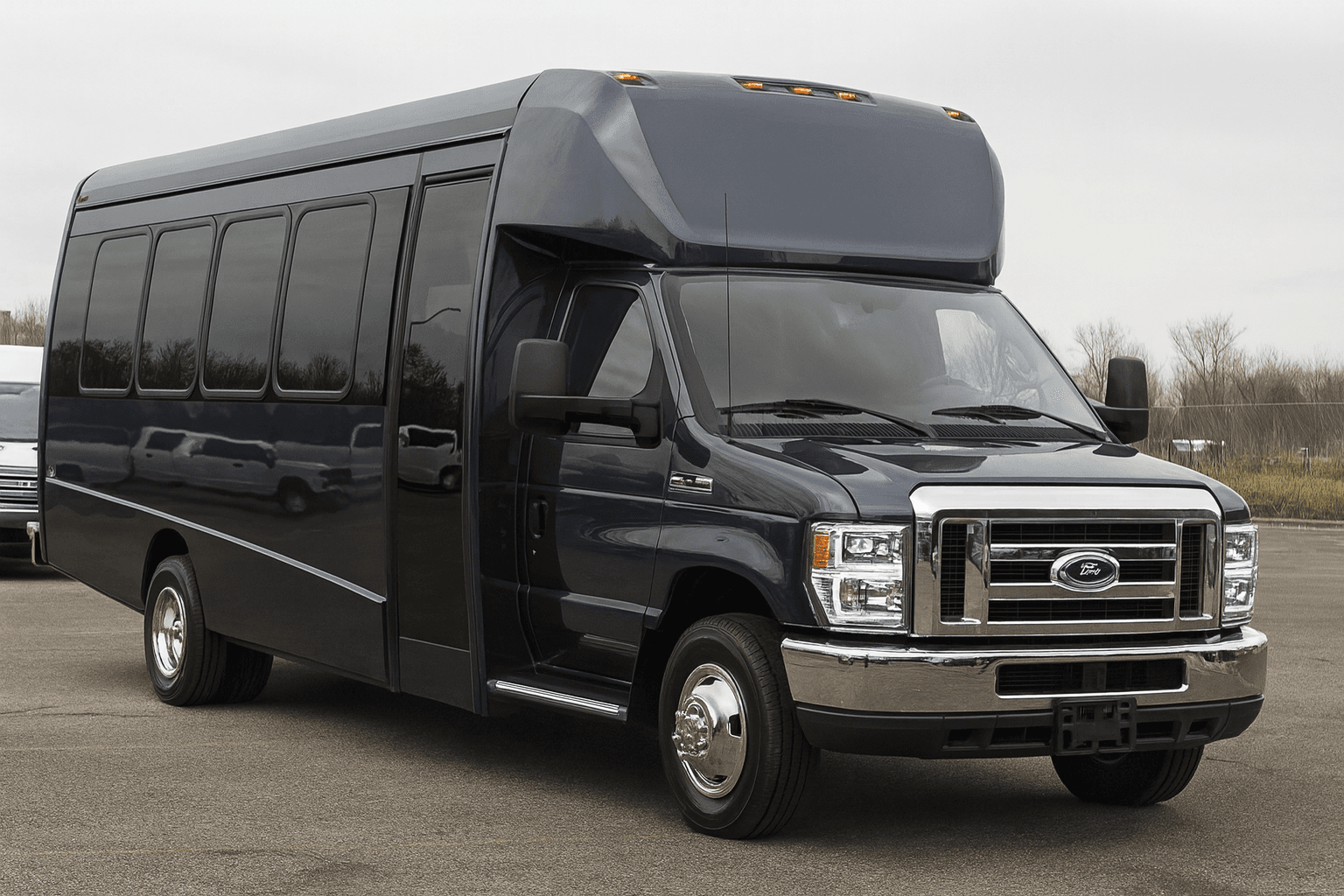
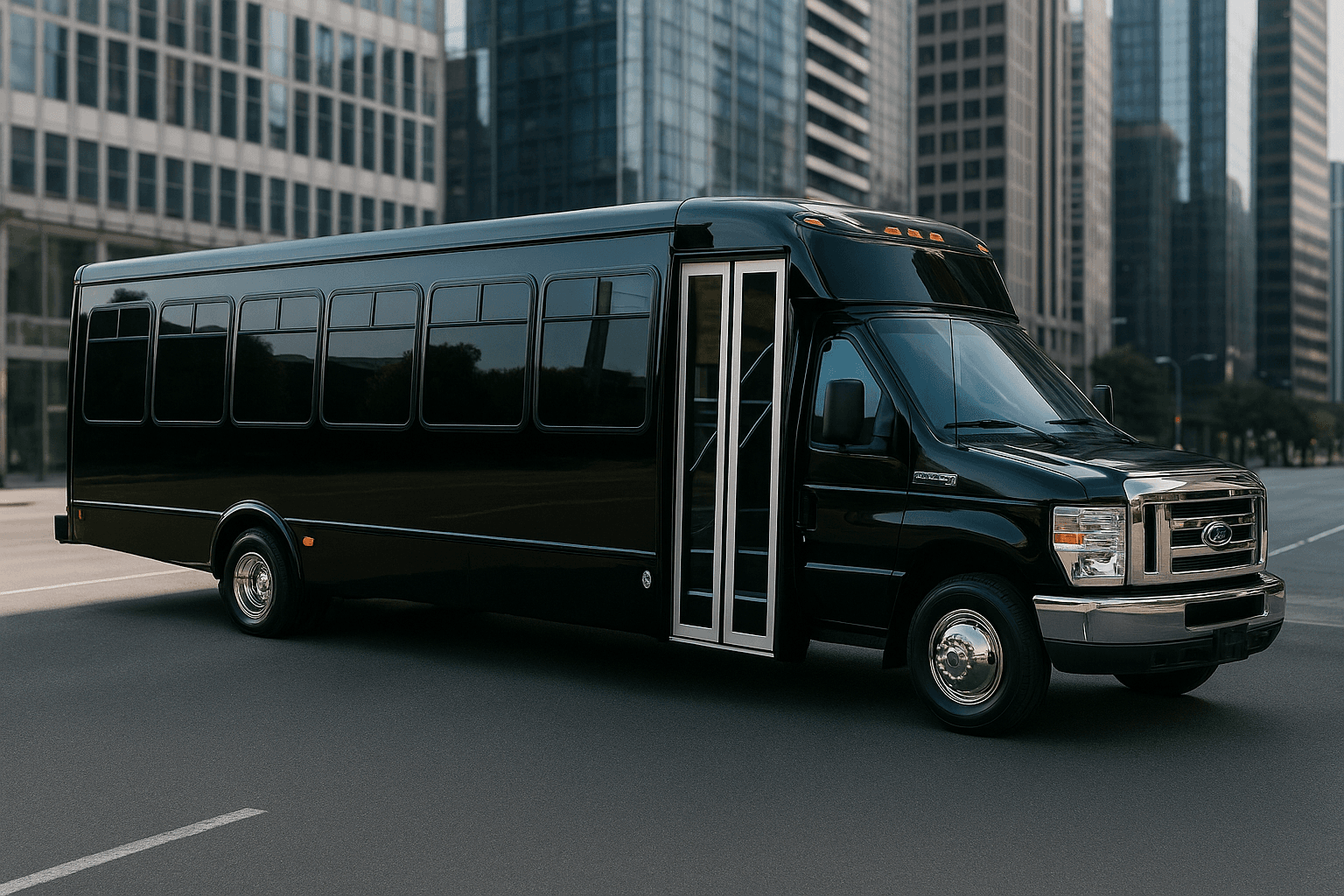
Full-size coach buses need space — sometimes more space than a venue can offer. Historic downtown hotels, small wedding venues, urban restaurants, stadium back lots, and campus buildings may have driveways, turn radii, or parking facilities that cannot accommodate a 45-foot coach. Before committing to a single large vehicle, check with each venue about bus access: Is there a designated bus-loading zone? Can a coach turn around without a three-point maneuver? Is overnight parking available if the trip spans multiple days? If the answer to any of these questions is no, or if the venue charges a significant fee for bus parking, splitting the group across smaller vehicles may solve access problems that a coach bus cannot. Mini coaches and executive sprinters can bridge the gap — they carry more passengers than a van but navigate tighter spaces than a full-size coach.
Amenity Consistency: What Each Passenger Gets
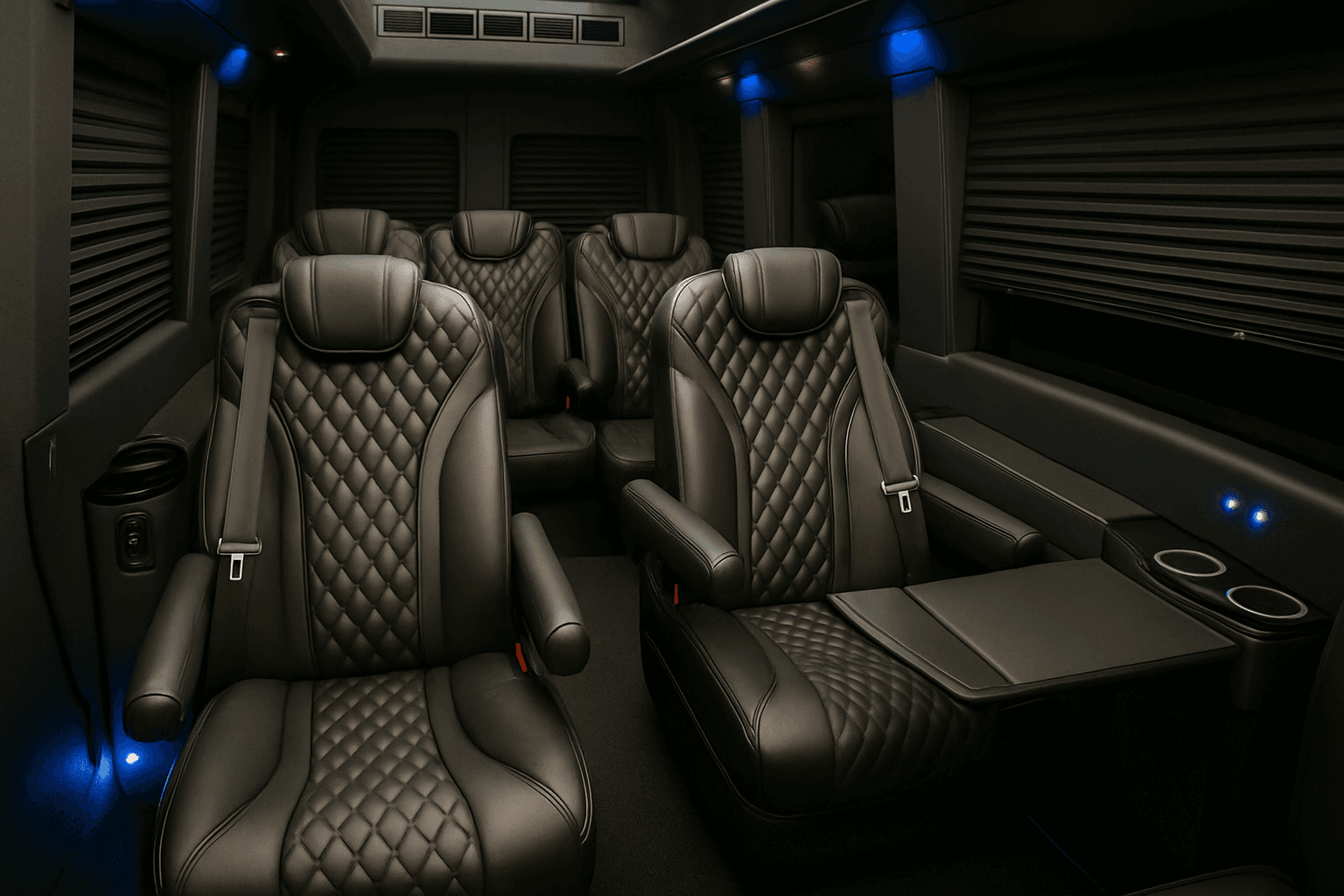
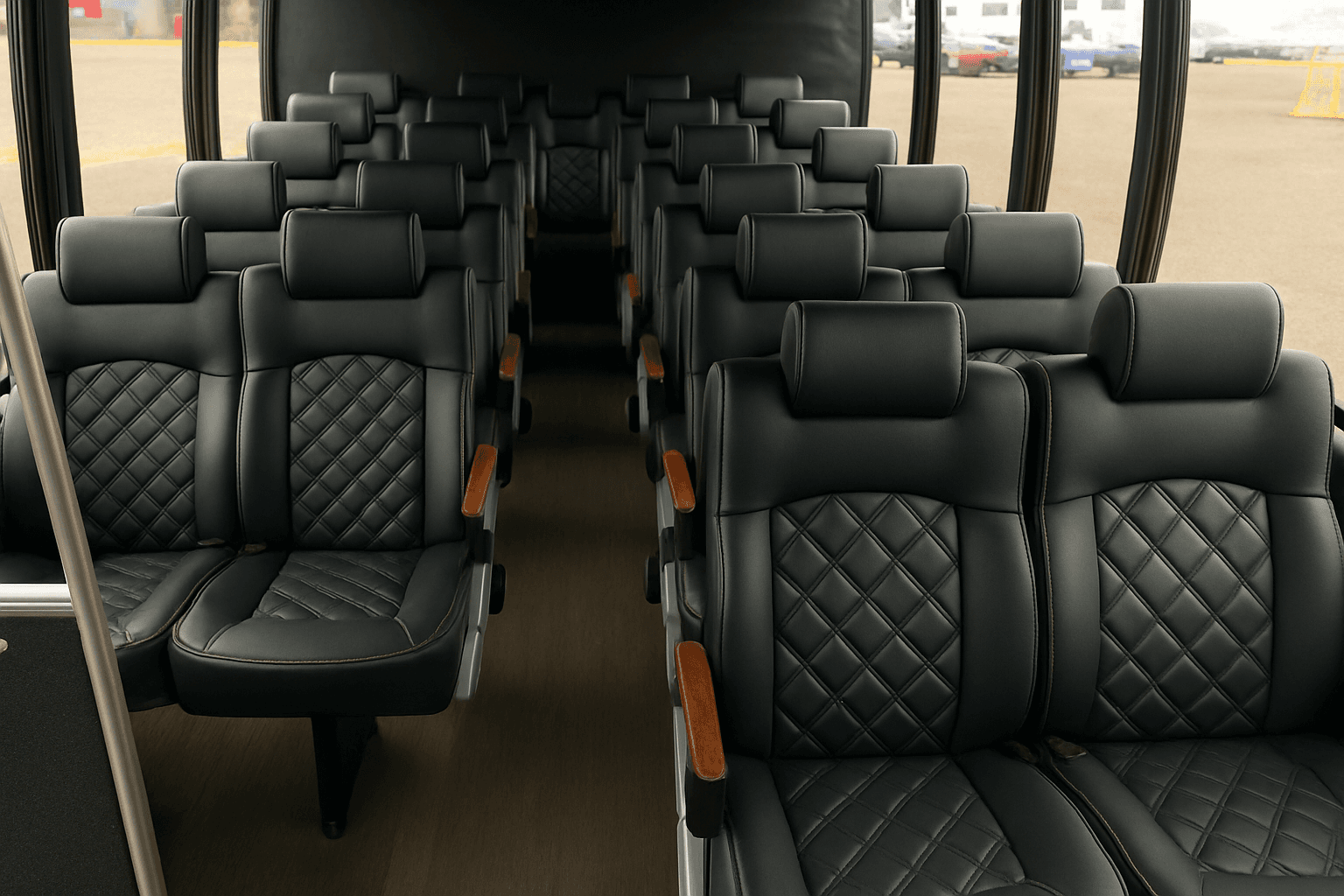
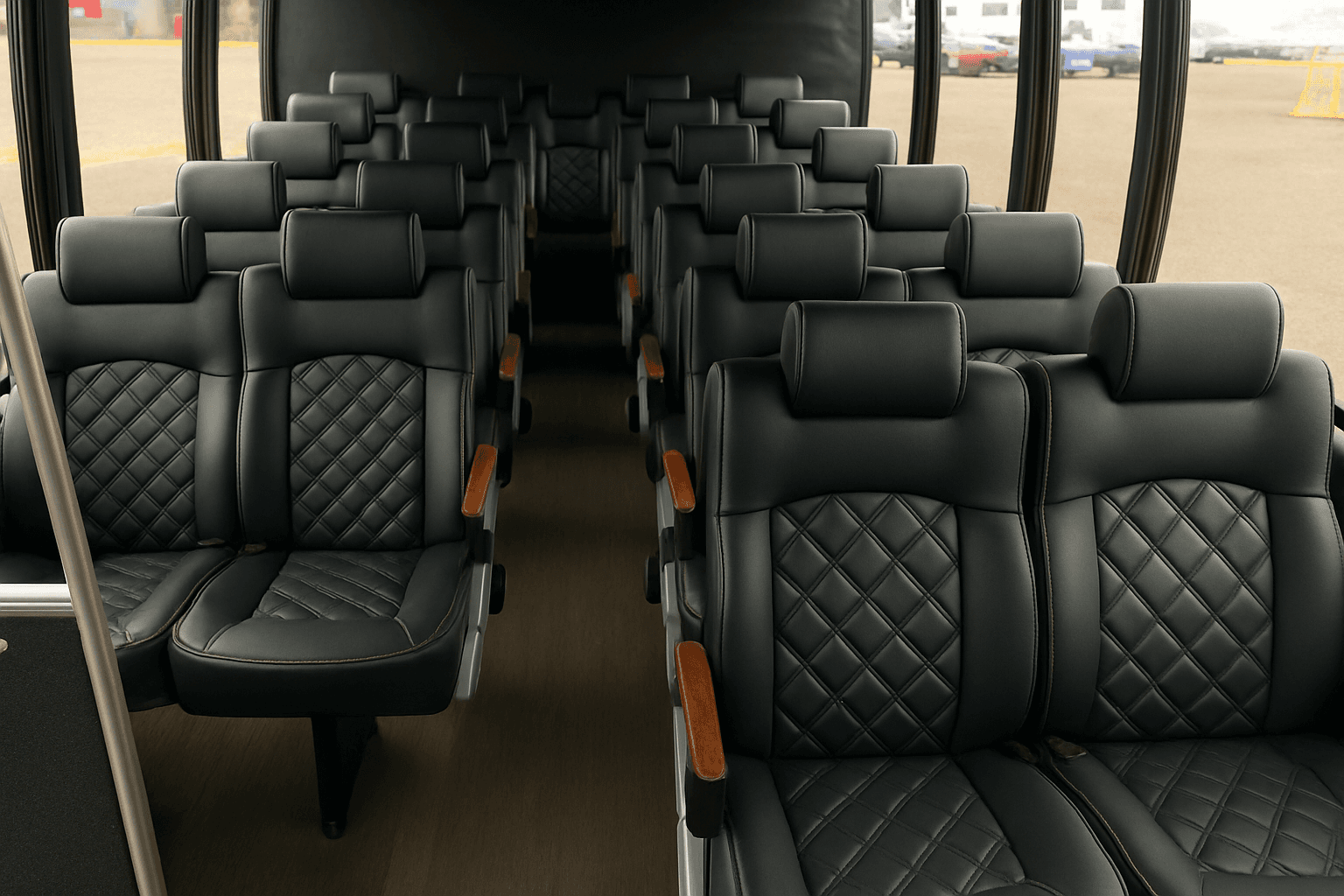
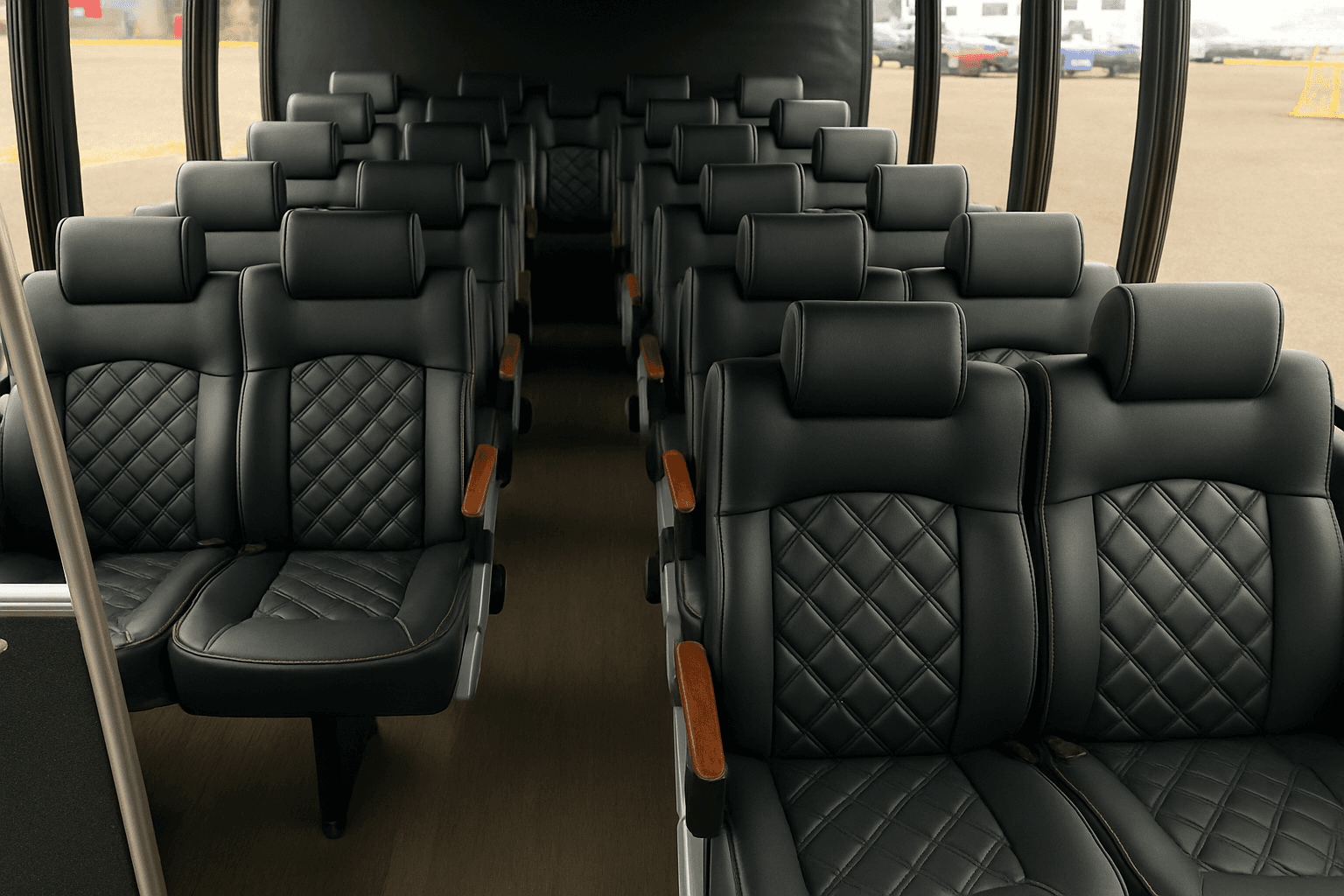
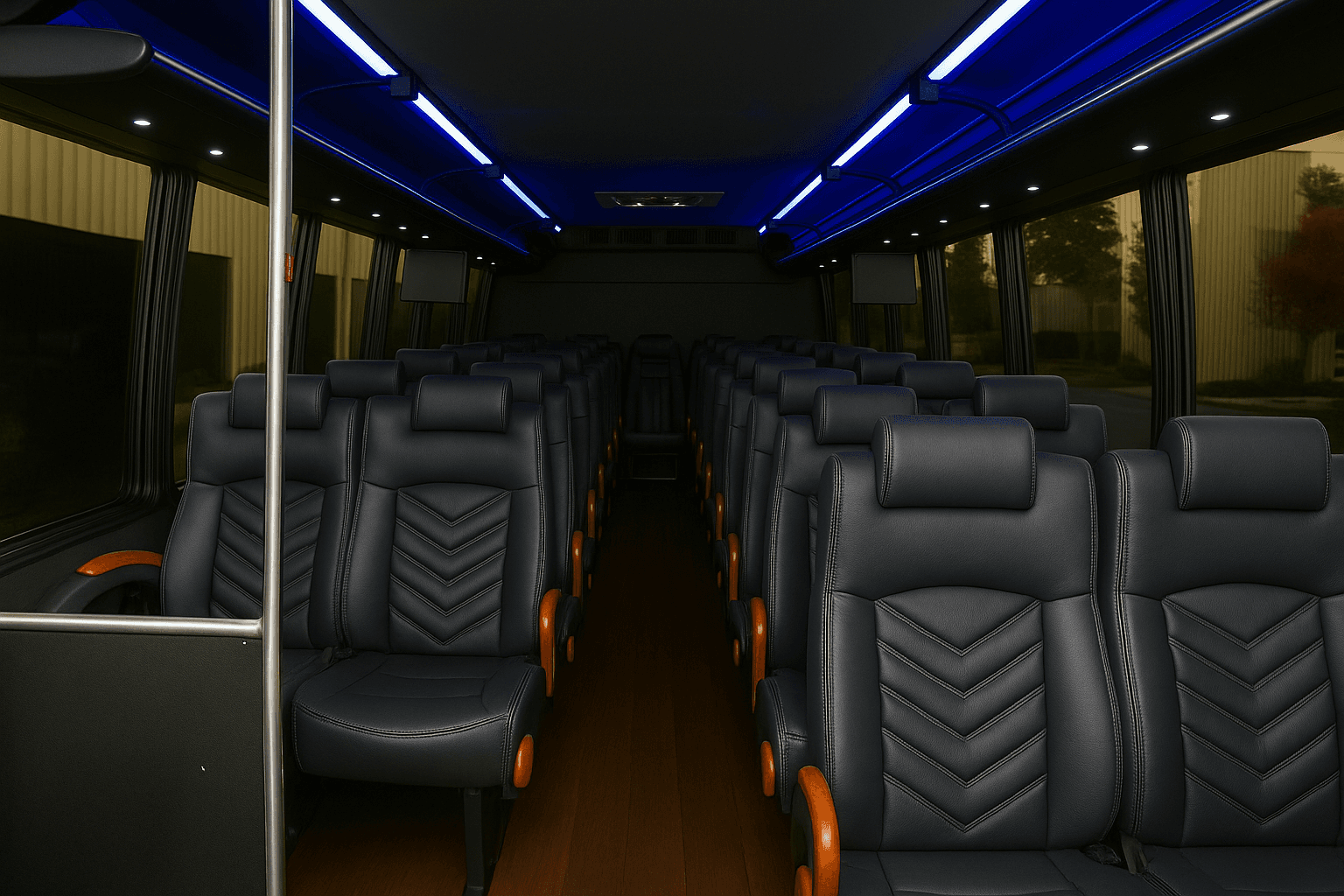
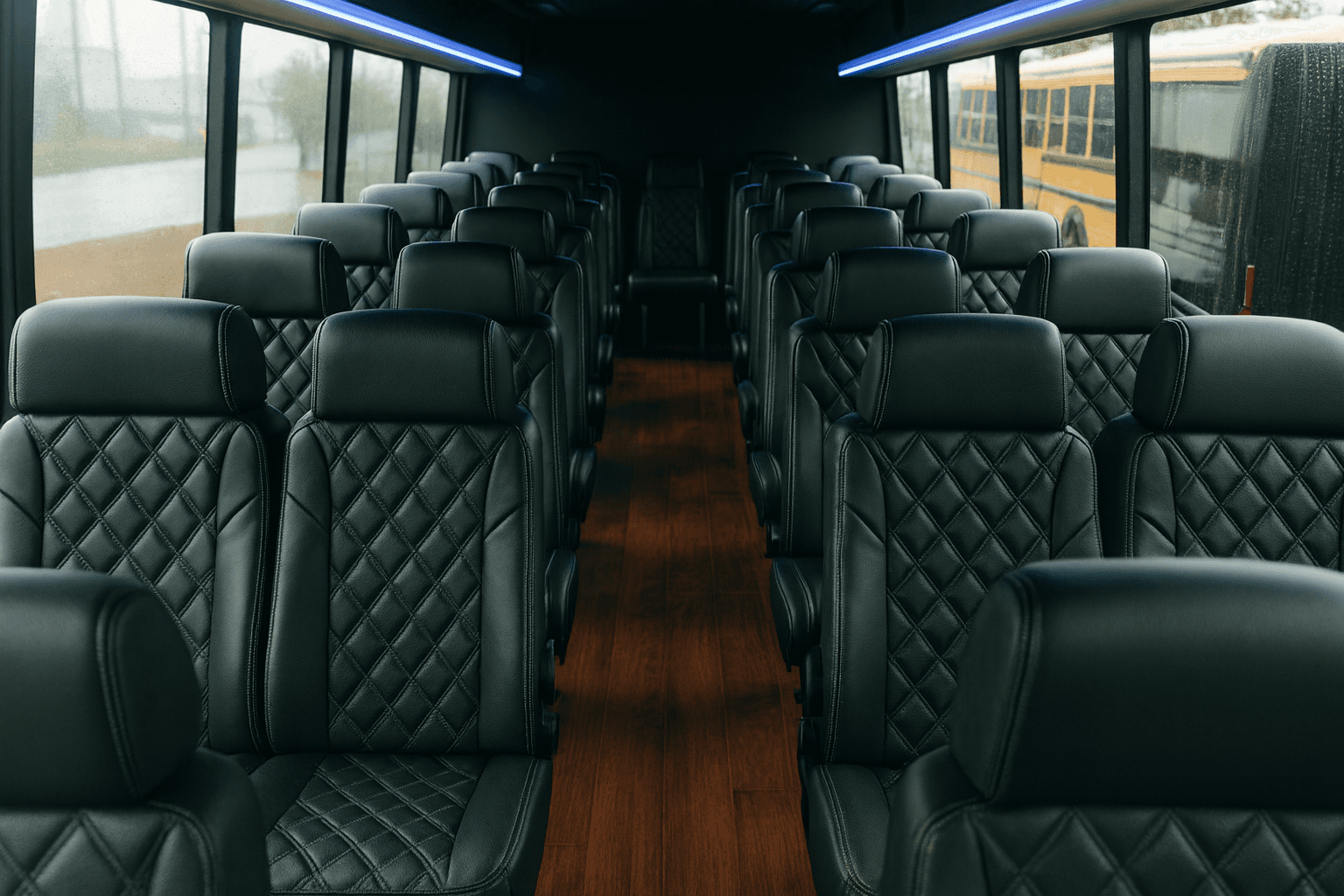
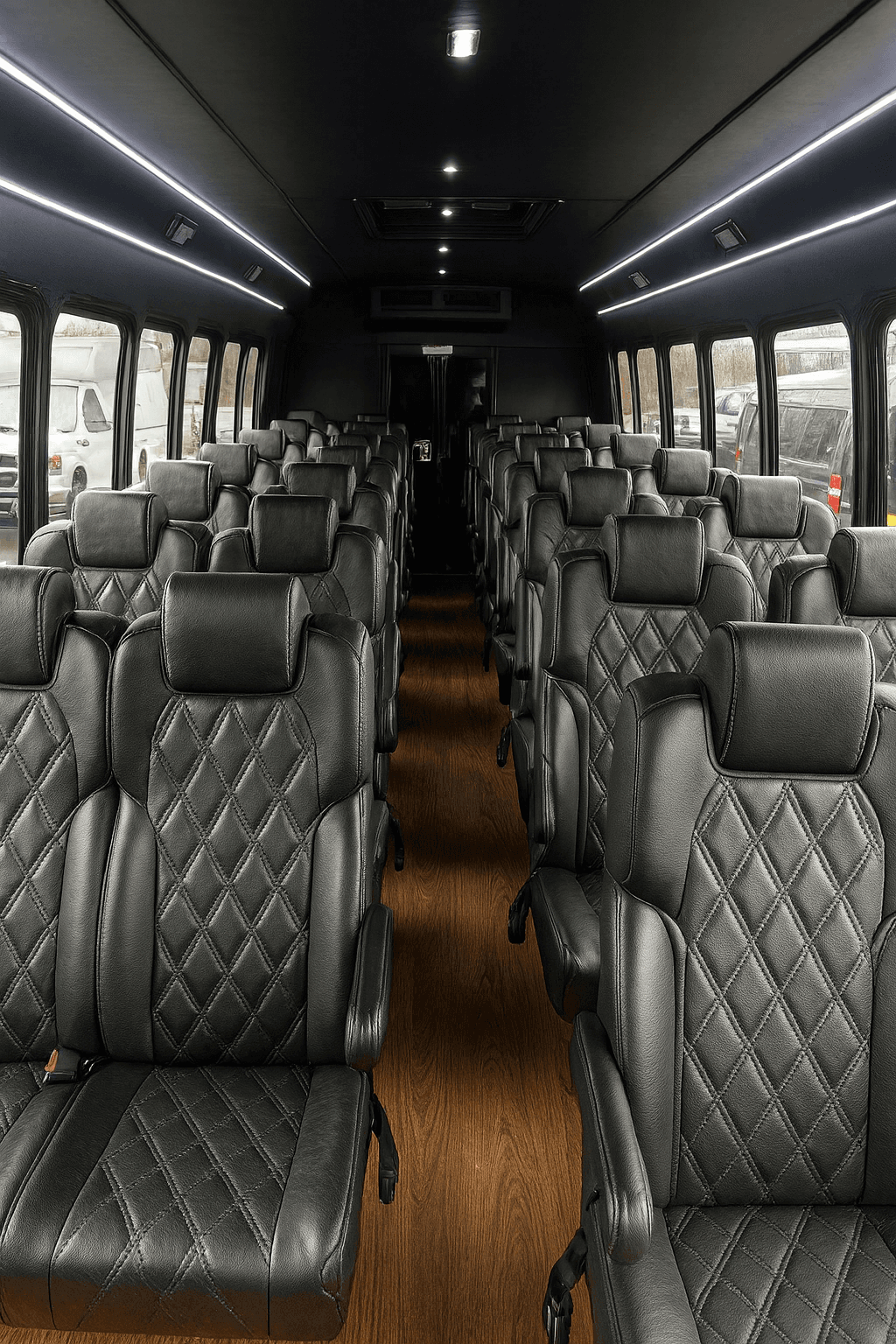
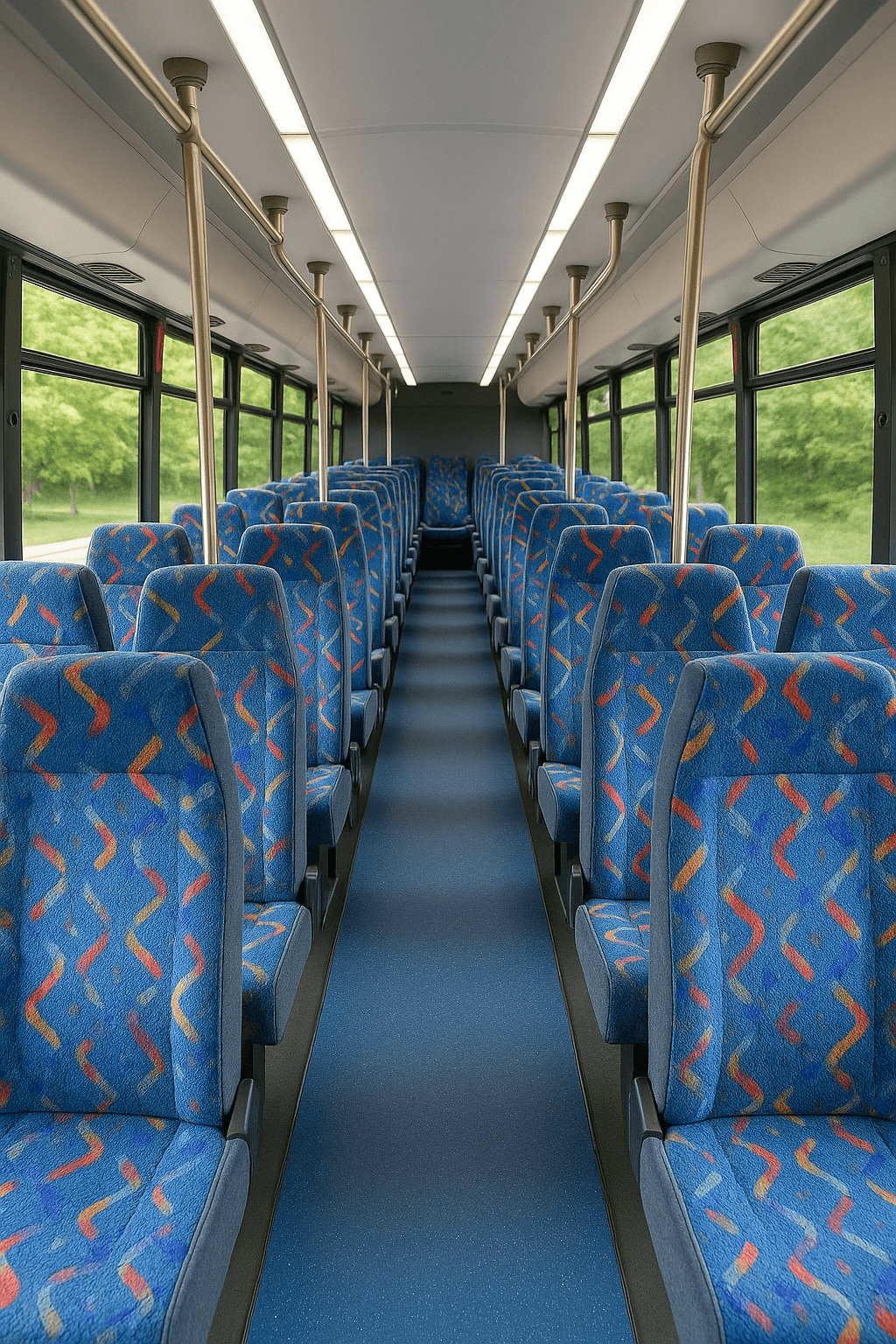
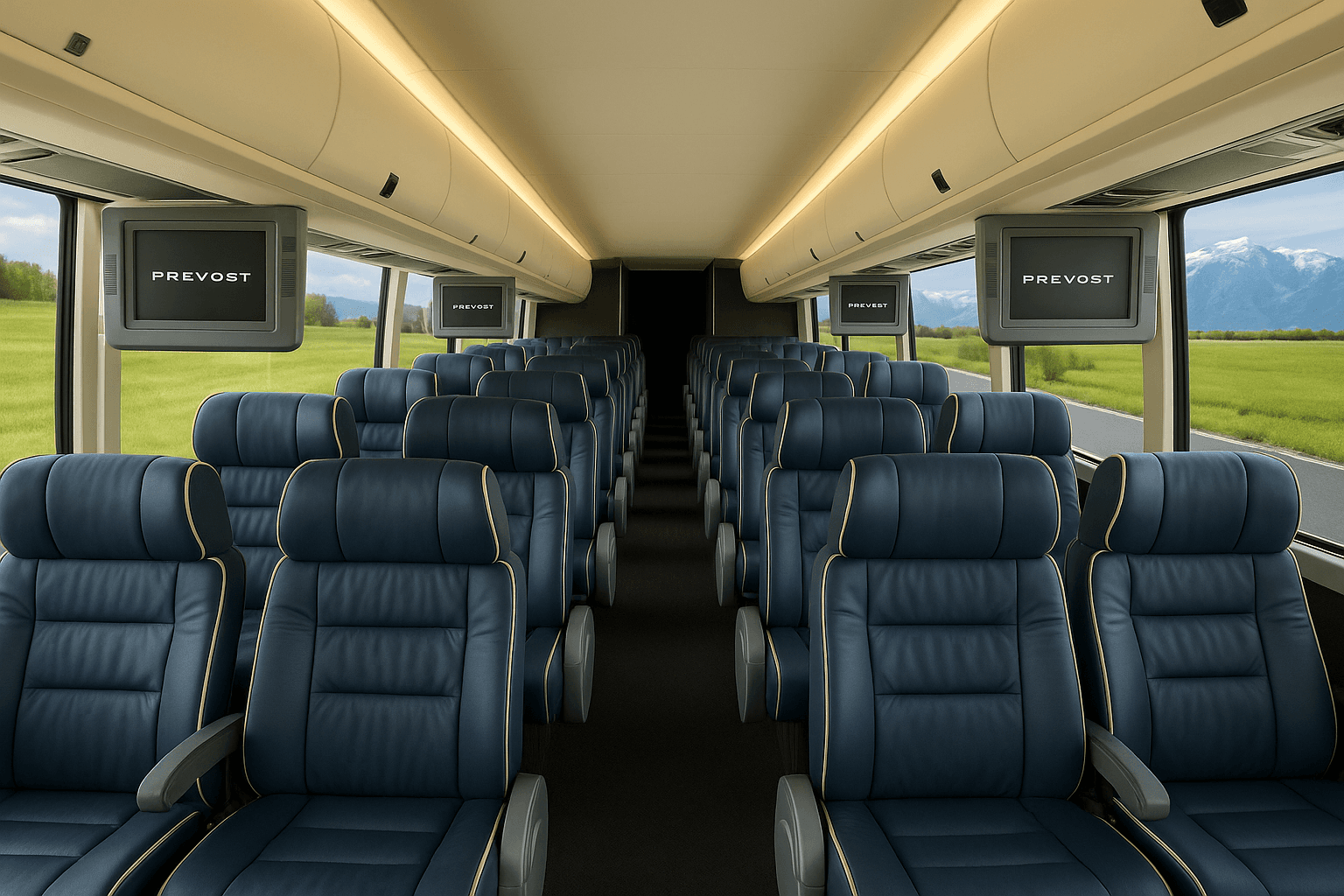
On a single coach bus, every passenger gets the same experience: the same seating, the same restroom access (if equipped), the same climate control, and the same entertainment options. When groups split across multiple vehicles, amenity levels can vary significantly — one group might ride in a newer vehicle with Wi-Fi and reclining seats while another rides in a more basic model without those features. For corporate events, client entertainment, or any trip where passenger experience parity matters, a single coach bus removes the risk of a two-tiered ride. For mixed groups where some passengers are VIPs and others are general attendees, intentional differentiation across vehicle types may actually be desirable — executives in a sedan or SUV limo while the broader team rides a coach, for example. The important thing is to decide which approach fits your event before requesting quotes, so the vehicle mix is planned rather than imposed by last-minute availability.
Risk and Redundancy
The single-bus approach concentrates risk: if the coach breaks down, is delayed by an accident, or the driver runs into an hours-of-service limit on a long trip, the entire group is affected with no built-in backup. We keep contingency plans and backup vehicles ready, but a replacement may take time to arrive. The multi-vehicle approach spreads that risk — if one vehicle has an issue, the others can absorb some passengers or adjust the schedule, and the group as a whole continues moving. For mission-critical trips — a wedding ceremony that cannot be late, a conference keynote with a hard start time, a flight departure that will not wait — the multi-vehicle approach provides a degree of operational redundancy that a single coach cannot. For trips where the schedule is flexible and the group prefers keeping everyone together, the single-coach simplicity usually outweighs the redundancy benefit of multiple vehicles.
Making the Decision
Start with the real headcount, then ask three questions. First: does the group need to stay together for the event to work, or are separate schedules actually part of the plan? Second: can every venue on the route accommodate a full-size coach, or will access restrictions force a smaller-vehicle strategy regardless of cost? Third: is the trip mission-critical enough to justify the redundancy of multiple vehicles, or is simplicity and one unified quote the higher priority? The answers usually make the right approach clear. For groups of 30 or more on a single timeline — a school field trip, a corporate retreat with a fixed agenda, a wedding guest shuttle with one hotel and one venue — a single coach bus is almost always simpler and more cost-effective. For groups with genuinely split schedules, venue access constraints, or the need for executive/VIP separation, multiple vehicles can be the smarter operational choice despite a potentially higher total cost.
Whether one coach bus or several smaller vehicles fit your trip better, the written quote should confirm the exact vehicle, capacity, route, included amenities, and terms. Share your headcount, schedule, stops, and venue details through the quote form or by calling (888) 535-2566 so the right vehicle strategy can be matched to your actual trip.