Choose the Transportation Category That Fits the Trip

Compare the tradeoffs before choosing. Party buses, limousines, sprinters, and coach buses solve different problems, and the exact vehicle, layout, legal capacity, amenities, and availability require written confirmation before a category choice becomes a booking.

What should you decide first?

Choose a vehicle category by matching the confirmed passenger count, luggage, accessibility needs, route, boarding conditions, trip length, and desired atmosphere. A party bus tends to fit groups that want an open, social layout with several stops. A limousine tends to fit smaller groups or a more formal arrival. A sprinter van often fits airport transfers or corporate groups that value efficient loading over lounge seating. A coach bus tends to fit larger groups, longer routes, and trips where luggage or rest matters more than in-vehicle atmosphere. Legal capacity alone does not guarantee a comfortable or operationally practical fit β€” it is a ceiling, not a recommendation.

Decision checklist

  1. 1Count every passenger and list luggage, equipment, mobility, and boarding needs.
  2. 2Map every address, stop, loading area, service time, and schedule constraint.
  3. 3Shortlist categories by comfortable fitβ€”not only maximum legal capacity.
  4. 4Decide whether the trip needs social atmosphere, formal presentation, or efficient point-to-point travel.
  5. 5Ask whether one larger vehicle or several smaller vehicles better matches the pickup pattern.
  6. 6Compare complete written totals, exact vehicle details, and substitution terms before signing.

Vehicle Comparisons Vehicle Categories

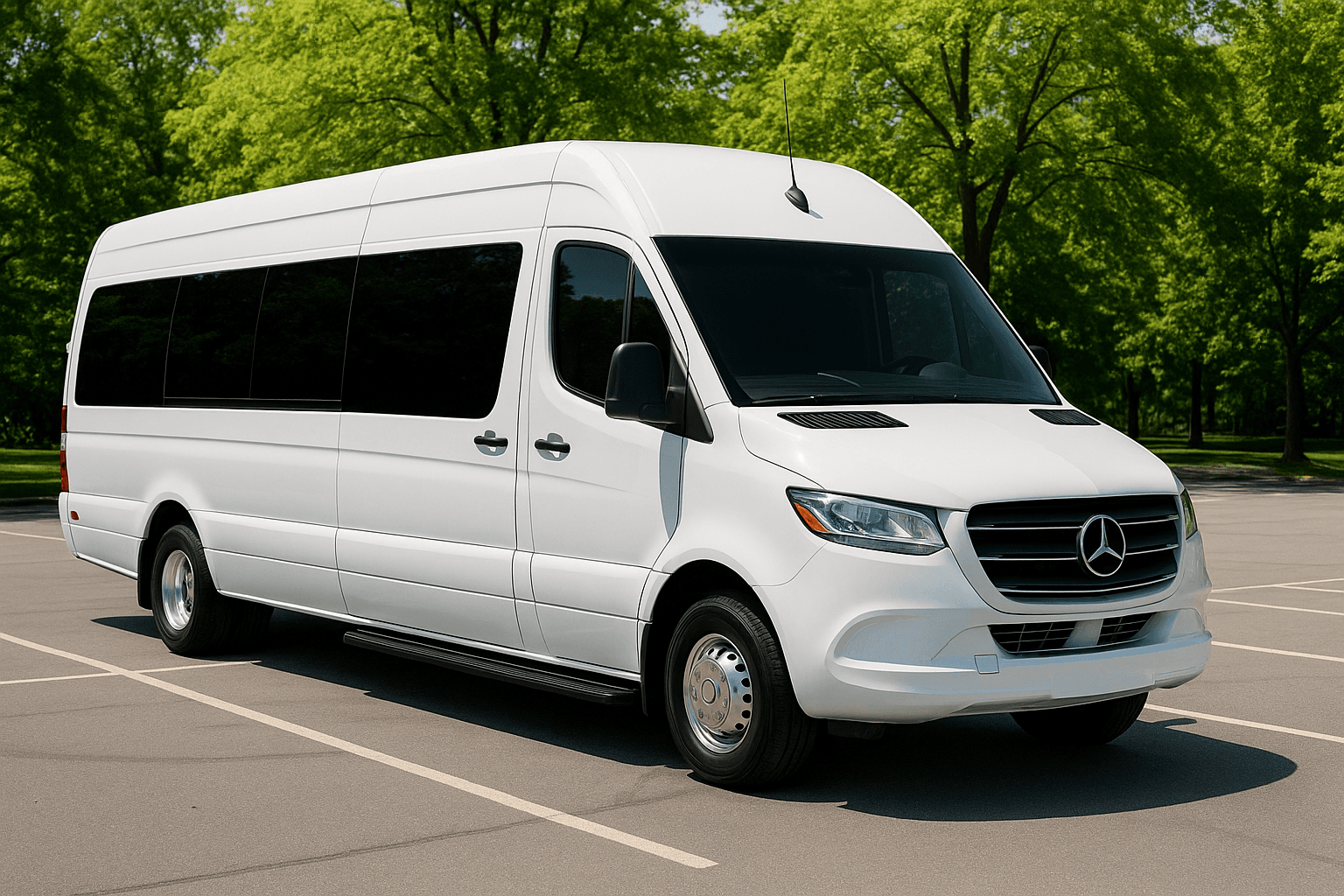
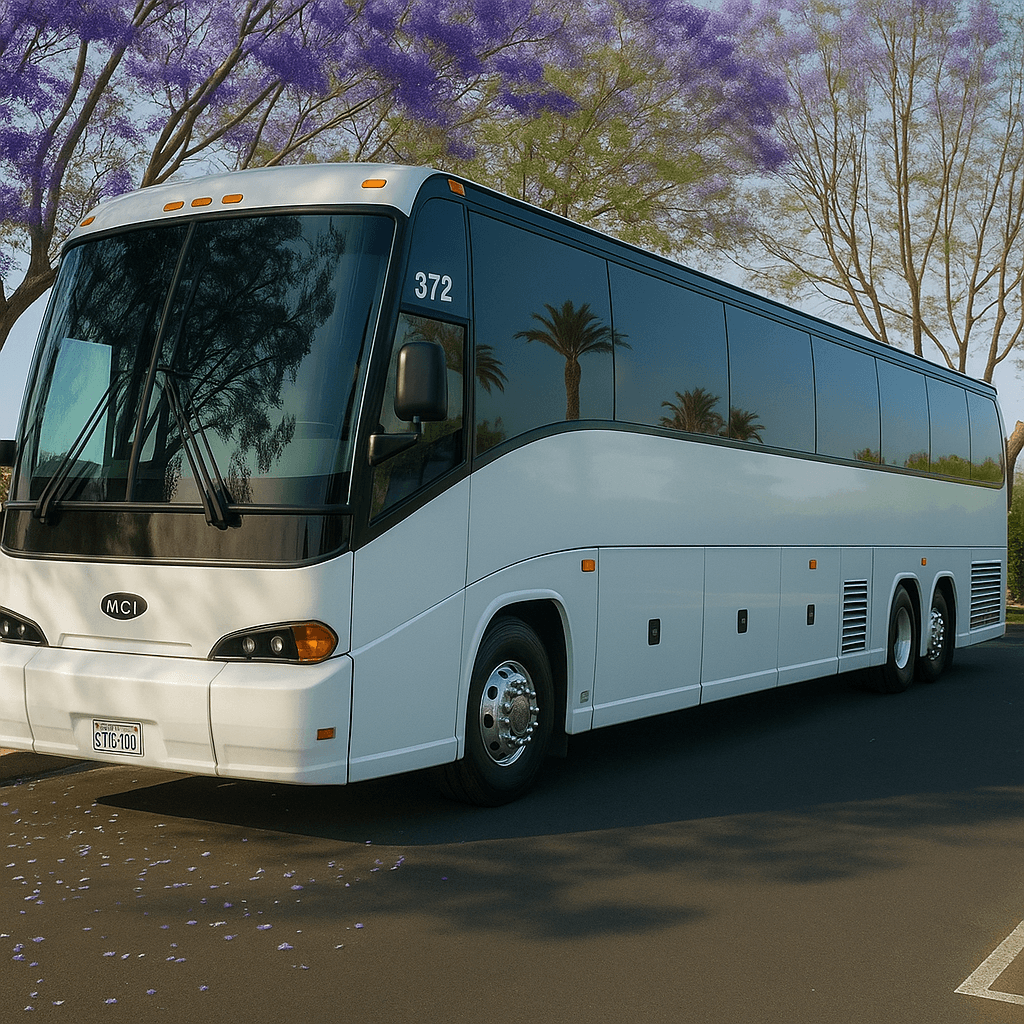
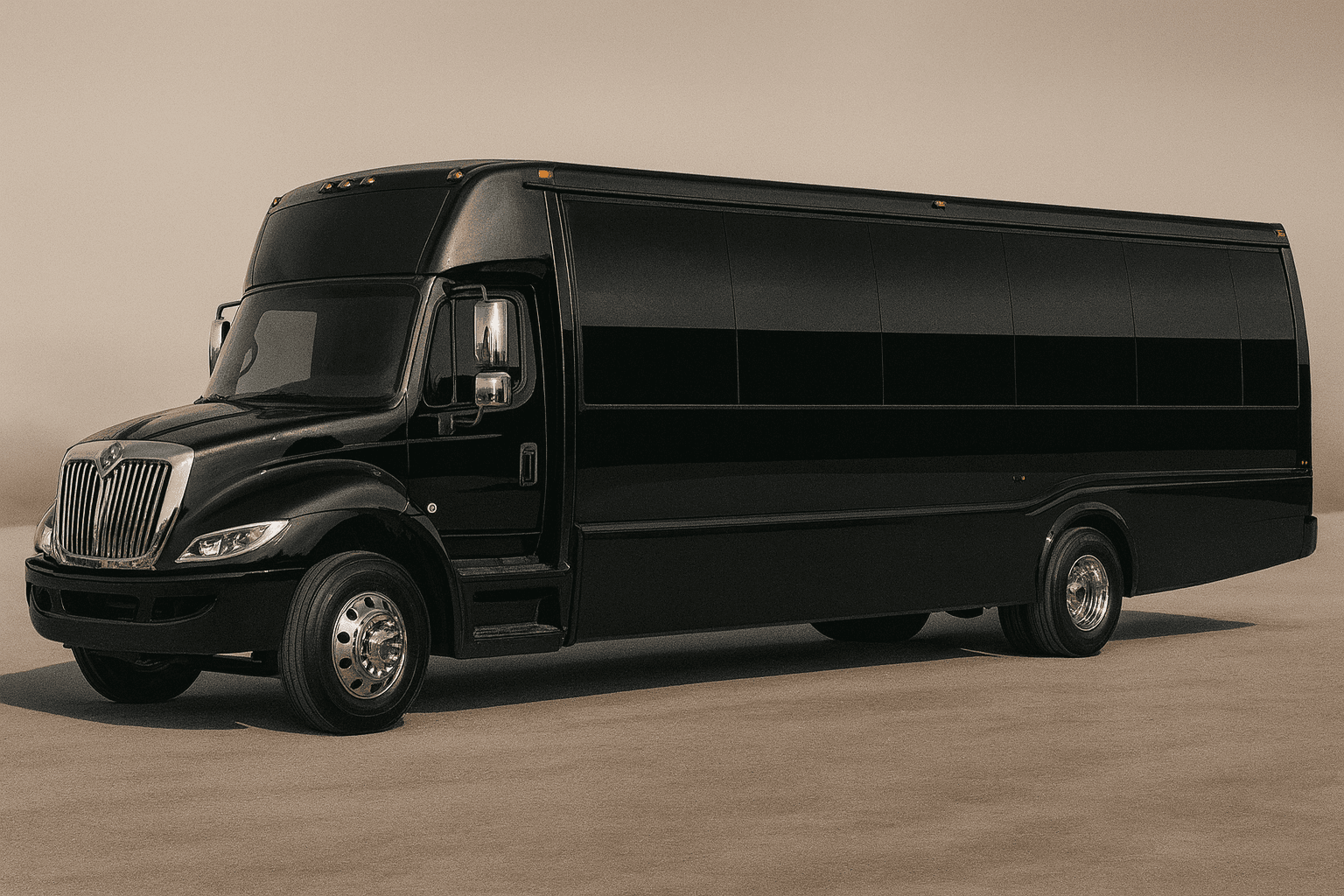
Use these representative vehicle-category images to compare the general scale and style of available transportation. Exact vehicles, configurations, amenities, and availability require live review and written confirmation.

Representative mid-size party bus exterior for group transportation planning
Party bus category
Representative stretch limousine exterior for formal group transportation
Limousine category
Representative executive sprinter exterior for smaller group travel
Sprinter category
Representative full-size coach bus exterior for large group transportation
Coach bus category

Plan Before You Reserve

Right-size the vehicle using legal capacity, comfort expectations, luggage, accessibility needs, and route constraints β€” not just the headcount.

One larger vehicle can simplify coordination and keep the group together, while several smaller vehicles may provide more flexible pickup patterns at the cost of more coordination.

Amenity descriptions represent common category options; confirm the selected vehicle, its current photos, and its included features in writing before the event.

Compare the complete quote, not only the hourly rate: minimum hours, drive time, overtime, tolls, parking, gratuity, and disclosed exceptions all affect the real total.

A category that photographs well is not automatically the right operational fit β€” check that it can actually load and park at every address on the route.

When two categories seem close in price, let the trip's purpose break the tie: social atmosphere favors a party bus, formal presentation favors a limousine, and route efficiency favors a sprinter or coach.

If the group is split between wanting to socialize and wanting to arrive rested, consider whether a shorter party-bus segment paired with a formal limousine arrival serves both needs better than one category for the whole day.

Ask any comparison tool result to be treated as a shortlist, not a final decision β€” the assigned vehicle's documented capacity and layout in the written agreement is what actually governs the trip.

Older passengers, young children, and guests with mobility devices often benefit from a category with easier step-in entry and more aisle space, even when a smaller vehicle would technically meet the legal capacity for the group.

If two categories both fit the group on paper, ask which one has more flexibility on the requested date β€” a well-matched second choice that is actually available beats a perfect first choice that is not.

Availability and exact vehicle details require live review. A reservation is confirmed only after the written agreement and required payment steps are complete.
Make a Better Transportation Decision

Start With the Trip, Not the Vehicle Name

List the passenger count, trip length, stops, luggage, mobility requirements, pickup conditions, and event tone before comparing categories. A limousine and party bus can both suit a celebration, but they create different boarding, seating, and social experiences. A sprinter may handle a smaller airport group efficiently, while a coach can be more practical when many passengers have luggage or the route is long. The best comparison begins with required outcomes rather than a favorite photo.

Compare Comfortable Fit With Legal Capacity

Legal capacity is a hard limit, but it does not describe personal space, storage, aisle access, formal clothing, or the needs of older passengers and children. Build a comfort buffer when the trip is long or the group carries bags, coolers, sports equipment, mobility devices, or event supplies. Ask for the assigned vehicle’s documented capacity and layout. Representative category ranges and website images narrow options; they never authorize loading beyond the confirmed limit.

Evaluate Route and Loading Constraints

Larger vehicles may need wider turns, more curb space, different parking, and approved loading areas. Several smaller vehicles can serve separate pickup zones but require more coordination and may separate the group. Review venue entrances, airport rules, neighborhood restrictions, road limits, and boarding time. A category that looks attractive in isolation may be a poor operational choice for the actual addresses.

Compare the Complete Written Offer

Use identical trip details when requesting options. Review vehicle category, date, service window, mileage, drive time, minimum hours, overtime, tolls, parking, gratuity, taxes, disclosed exceptions, cancellation terms, payment schedule, and substitution policy. Bus 2 Ride pricing is intended to include gratuity and ordinary quoted charges, but the written quote controls. A lower starting rate can produce a higher total when important items are added later.

Match the Vehicle to the Event’s Social Style

A party bus generally favors an open, standing-and-mingling layout with shared sound and lighting, which suits groups that want to socialize in motion between stops. A limousine tends to favor a more formal, seated arrangement, which can fit a smaller wedding party, a milestone dinner, or an arrival where presentation matters. A sedan or SUV may be the better fit for a small group, a single couple, or an executive pickup where discretion and door-to-door speed outweigh open social space. None of these labels guarantees a specific interior; use them to shortlist, then confirm the exact assigned vehicle.

When a Coach or Sprinter Fits Better Than a Party Bus

Coach buses and sprinter vans are usually built around forward-facing seating, defined aisles, and dedicated luggage storage rather than open lounge seating. That layout tends to serve longer highway routes, early-morning departures, luggage-heavy airport groups, and trips where passengers may want to rest. A coach can also carry more passengers per vehicle than most party buses or limousines, which can simplify a large single-pickup trip. If the group values in-vehicle nightlife energy over route efficiency, a party bus or limousine may still be the more practical choice even at a smaller headcount.

Read the Amenity List as a Starting Point, Not a Guarantee

Lighting packages, sound systems, bar areas, televisions, and seating configurations described on a category page represent common features across a class of vehicle, not a specific unit. Two vehicles in the same category can differ in age, layout, and equipment. Before signing, ask which amenities are confirmed for the assigned vehicle, whether photos reflect the actual unit, and what happens if a feature is unavailable on the trip date. Treat any amenity that is essential to the plan β€” a working sound system for a milestone event, for example β€” as something to confirm in writing, not assume from a category description.

Frequently Asked Questions

Is a party bus always better for a celebration than a limousine?

No. Party buses often suit groups that value open social space and several stops, while limousines may better match smaller groups or formal arrivals. Passenger comfort, entry, route access, luggage, price, and the exact assigned layout matter more than the category label.

Should we choose one large vehicle or several small vehicles?

One vehicle usually simplifies communication and keeps the group together. Several vehicles may help with separate pickup areas, schedule flexibility, or access constraints. Compare the complete cost and coordination burden, and confirm whether every proposed vehicle can use the planned loading areas.

Can the comparison tool confirm exact amenities?

No. Category tools describe common possibilities. Ask for written confirmation of the assigned vehicle, capacity, photos, layout, audio, climate control, storage, accessibility equipment, and any feature essential to the trip before signing.

What is the practical difference between a sprinter van and a coach bus?

A sprinter van generally carries fewer passengers in a more compact, van-based body, which can be easier to park and load for smaller airport or corporate groups. A coach bus carries more passengers with dedicated underneath luggage bays and restroom options on many units, which tends to suit longer trips or larger groups. Confirm exact capacity and luggage space for the trip rather than assuming either category automatically fits.

Does a higher passenger capacity always cost more?

Not always in a straight line. Category, date, market, duration, and demand can matter as much as capacity. A larger vehicle on an off-peak date can sometimes compare favorably to a smaller, high-demand category on a busy weekend. Compare complete written quotes for the same trip details rather than assuming capacity alone sets the price.

How do we compare quotes when the categories differ, such as a limo versus an SUV?

Normalize the comparison around the trip requirements first: confirmed passenger count, luggage, route, and service window. Then compare each option’s complete total, included charges, and the specific vehicle being offered rather than comparing hourly rates for dissimilar vehicle types side by side.

4

Main Categories

8–56

Common Capacity Range

53+

Vehicle Examples

Since 2015

Serving Customers

Nationwide

U.S. & Canada

Live Review

Before Booking

How to Compare Transportation Fairly

Six comparison principles that help avoid the common mistake of choosing the best photo over the best operational fit.

Compare Comfort, Not Only Legal Capacity

Legal capacity is a ceiling, not a comfort recommendation. Luggage, formalwear, trip length, personal space, aisle access, and mobility devices all reduce how many passengers fit comfortably. A forty-passenger party bus may be legally allowed to carry forty people, but thirty-five with coats and bags may be a much better experience for a long evening.

Compare the Complete Written Total

Two quotes at similar hourly rates can produce different totals once minimum hours, overtime, drive time, deadhead, tolls, parking, gratuity, and disclosed exceptions are factored in. Compare the full written quote for the same trip details, not just the opening number someone gives over the phone.

Compare Route Feasibility, Not Just the Photo

A vehicle that looks great in a photo gallery may not fit the route. Larger vehicles need wider turns, accessible loading zones, and parking space that smaller vehicles do not. Check that every address on the itinerary can accommodate the category you are considering, particularly venues, stadiums, and residential streets.

Compare Alternative Categories Before Committing

If the first-choice category is unavailable on the requested date, having a second and third choice already identified keeps the conversation moving. A sprinter van that is actually available on a tight timeline can be a better option than a party bus that is not β€” especially if the group wants to lock in the date rather than wait.

Compare Atmosphere Against Practical Need

A nightlife celebration may genuinely benefit from an open party-bus layout. A wedding arrival may be better served by a formal limousine. An airport transfer with ten bags needs luggage space more than colored lights. Let the trip purpose β€” not the most visually interesting category β€” guide the comparison.

Compare Amenities From the Written Confirmation

Category pages describe common features across a class of vehicle. Two vehicles in the same category can differ in age, layout, audio equipment, and included amenities. Before signing, ask which amenities are confirmed for the assigned vehicle and what happens if a featured amenity β€” like a specific sound system β€” is unavailable on the trip date.

What Most First-Time Organizers Overlook in a Vehicle Comparison

A category comparison that starts and ends with passenger count misses the operational reality of the trip. A group of twenty-five people can technically fit inside a party bus, a limousine bus, a sprinter, a minibus, or a coach β€” but the experience, loading time, luggage capacity, route flexibility, pickup-zone compatibility, and atmosphere will differ meaningfully. A comparison that only considers legal seating capacity essentially compares the lowest common denominator across vehicles that were designed for different purposes entirely.

The most useful comparison includes practical factors that photos do not reveal: how long does boarding twenty-five people take in each category, which addresses on the route can physically accommodate which vehicle sizes, whether a category can carry the group's equipment and bags without stacking them in the aisle, how overtime is defined for the specific category, and whether the group wants to stand and mingle or sit and travel. These factors tend to eliminate categories that look good in a gallery but would create friction on the actual route.

Another pattern worth avoiding: falling in love with one category before checking whether it is available on the date, in the market, and in the right size. The comparison stage should produce a shortlist of two or three acceptable categories rather than one fixed choice. That shortlist makes the live review step faster β€” the agent can immediately confirm which of the acceptable options is available β€” and prevents the situation where a group has emotionally committed to a category that simply cannot be sourced for the requested date.

What Our Riders Compare

Vote and see what other riders think.

Trying to Decide Between Two Categories?

Chat with us about your passenger count, route, trip purpose, and luggage needs. We can help you shortlist the right vehicle category before requesting quotes.

Ready to Compare Written Quotes?

Share your trip details and the vehicle categories you are considering. We can help you compare the complete written terms before booking.

Call or request a written quote β€’ Support available for booking questions