Memorial services and celebrations of life often gather people from many starting points — hotels, homes, airports, and care facilities — into one calm arrival at the service location. Unlike a fixed funeral procession day, the format can be a house of worship, a private hall, an outdoor gathering place, or a reception-style venue weeks after a loss. Start with a realistic attendee count, one family point of contact, and a route that leaves buffer time for delayed flights, mobility boarding, and longer goodbyes after the program.
Keep the plan flexible on exact venues. Focus on sequence — inbound family pickups, arrival at the service location, transfer to a post-service gathering if needed, and return drop-offs — rather than named landmarks. When out-of-town guests are involved, separate airport or hotel legs can be quoted on their own so the memorial-day vehicle stays focused on the service window. Share tone expectations early: some gatherings are solemn; others are quieter and conversational. Cabin volume, attire, and wait-time needs should match that plan.
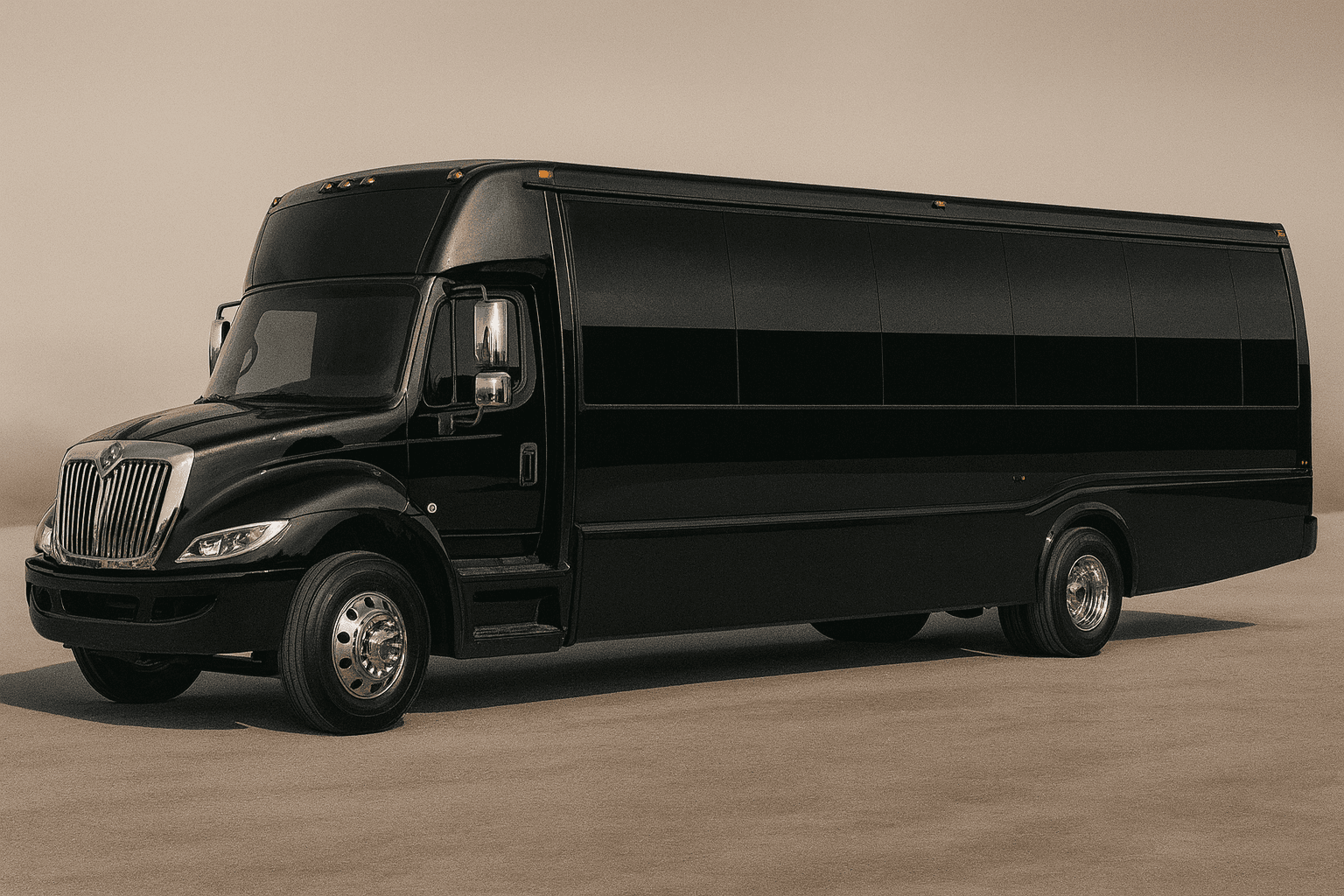
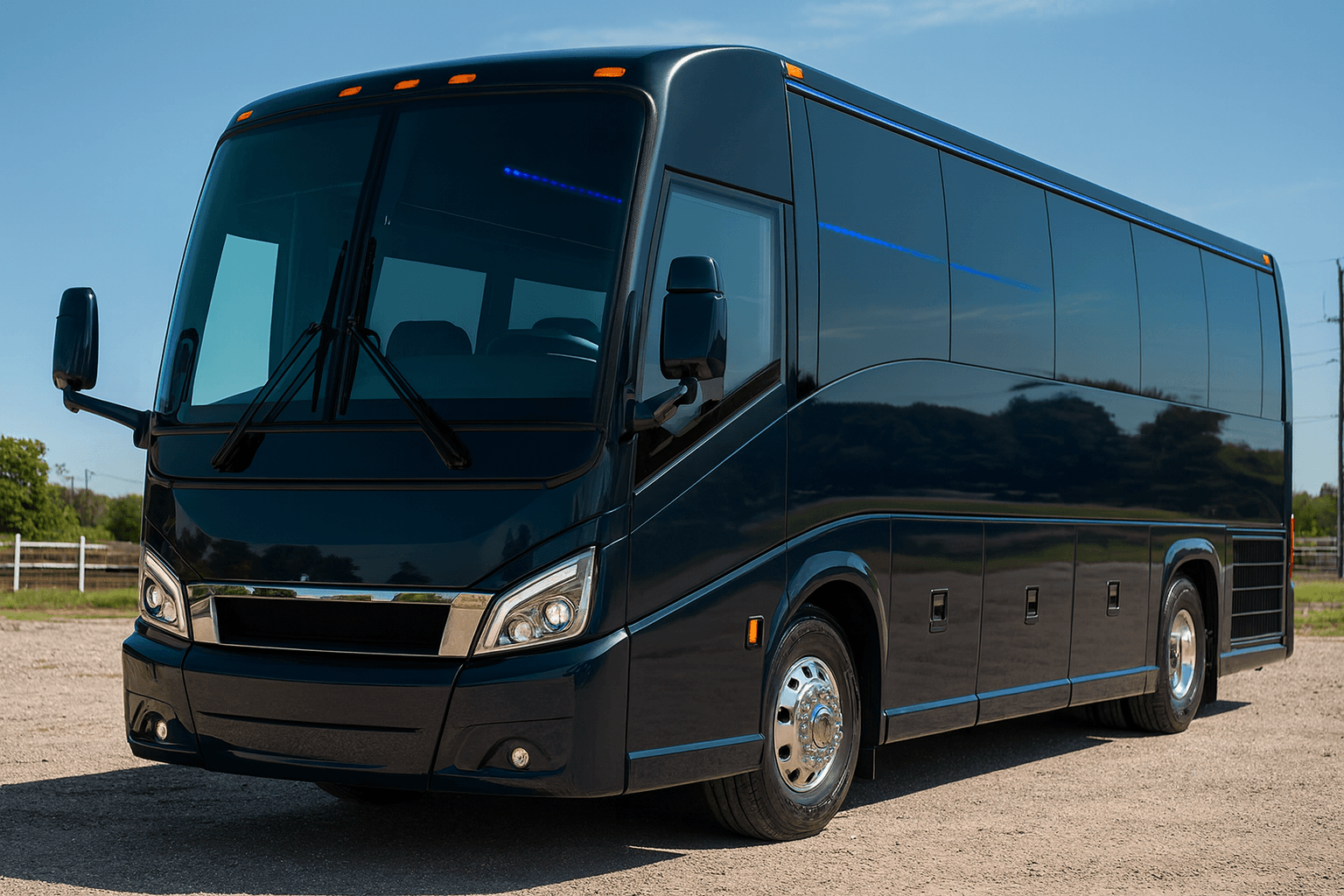
Vehicle choice usually follows group size and stop count. A limousine may suit a smaller family party; a coach bus category often fits larger guest lists or multi-stop collections.Ask and we will confirm exactly what is on board. If elderly or mobility-limited attendees need extra boarding time, put that in the itinerary so staging does not feel rushed.
Send pickup addresses, load times, and the family contact to whoever is quoting the trip at least a day ahead when possible. Ask how overtime, idle wait during the program, and added drop-offs are billed. Confirm capacity with spare room for coats and assistive devices. Totals vary by market, date, hours, distance, vehicle mix, and demand. Ranges are a guide; your quote is the real number.