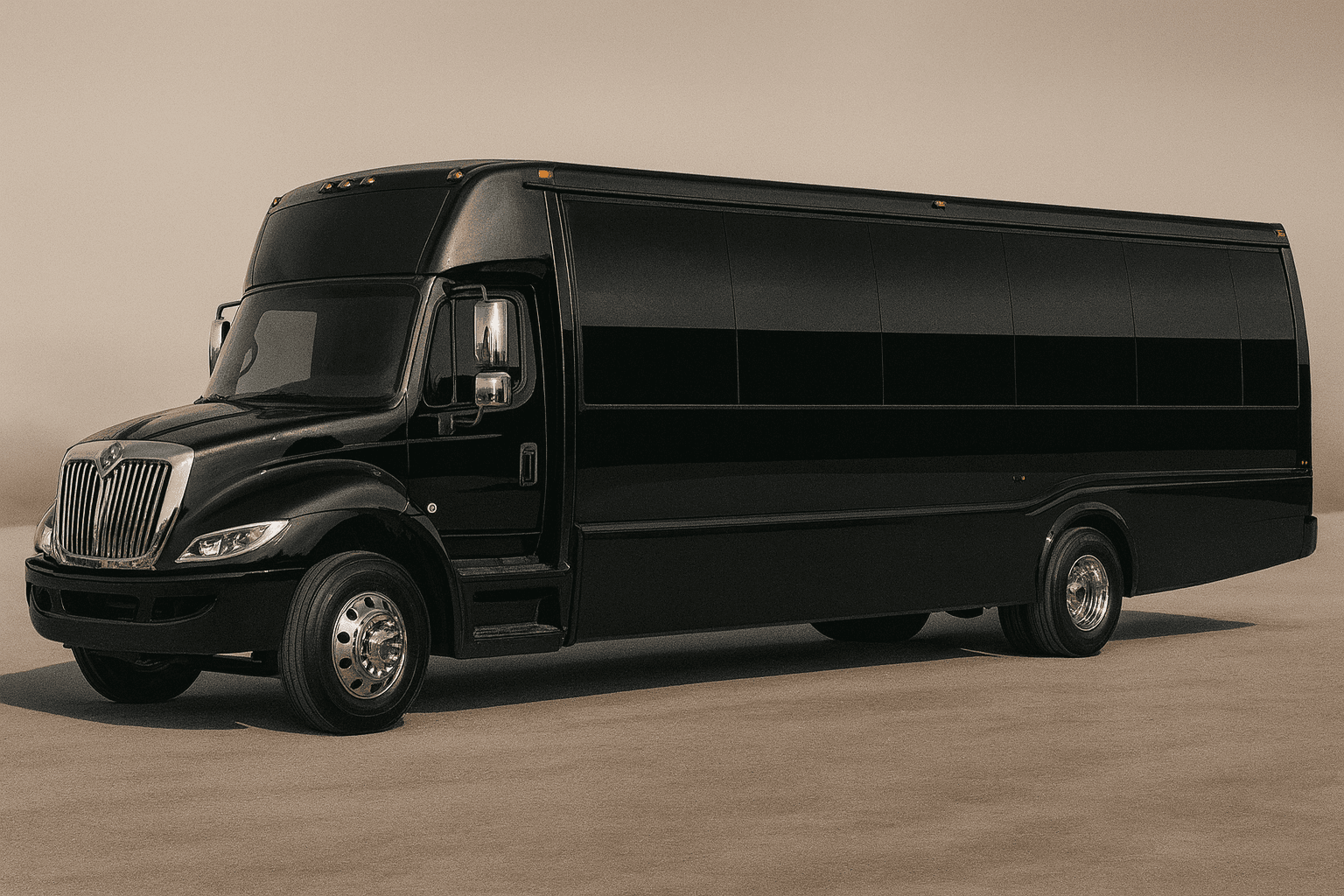
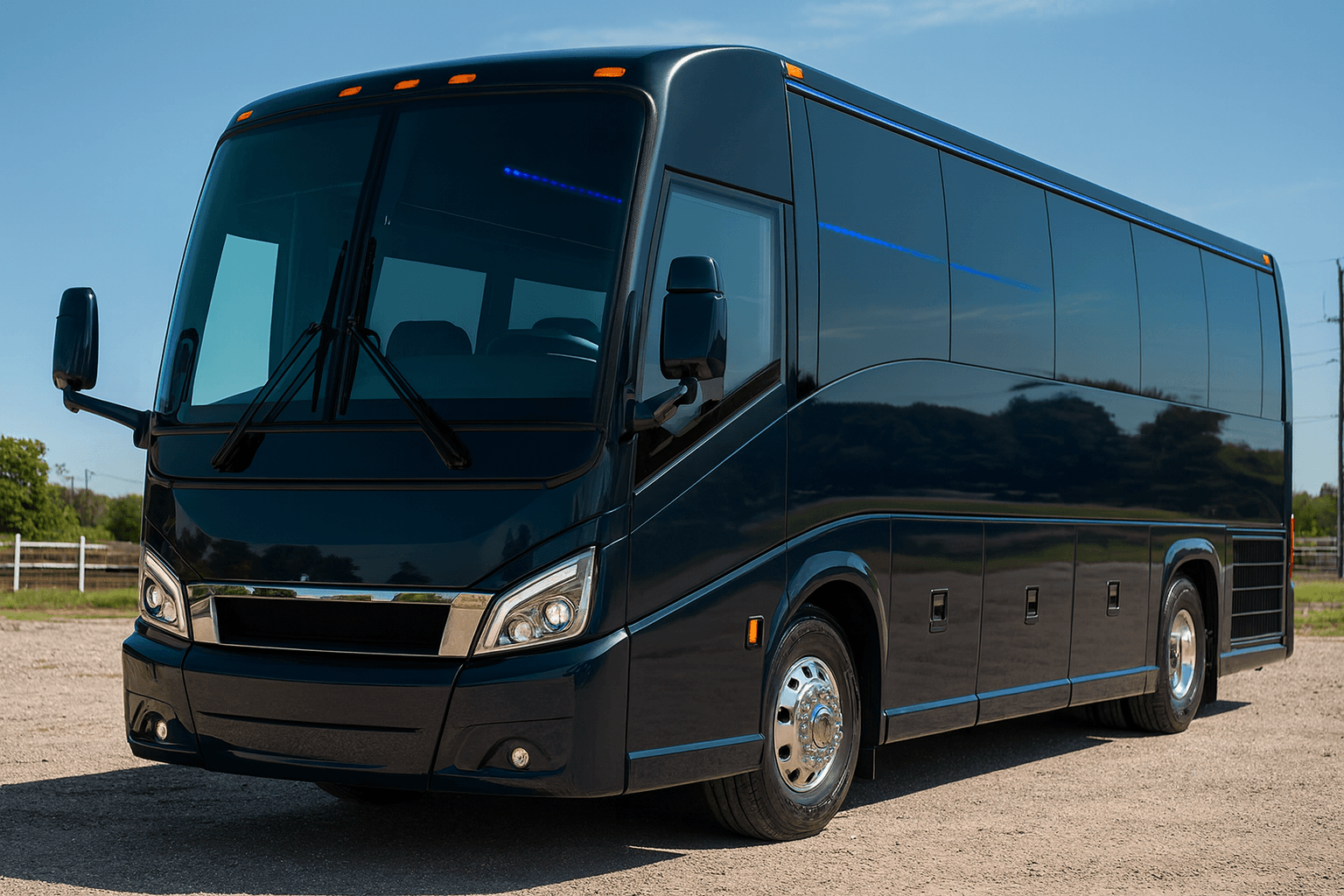
Corporate retreats often involve longer transfers than a standard office outing — sometimes a multi-hour ride to a lodge, conference center, or offsite campus. Shared transportation reduces parking stress, keeps the group on one timeline, and lets organizers control arrival for the first session. Start with headcount, overnight luggage, equipment lists, accessibility needs, and whether executives need a separate smaller vehicle from the main group.
Keep the plan flexible on exact venues: central office or hotel boarding, outbound transfer with planned rest stops on longer routes, venue arrival with buffer for check-in, optional mid-retreat activity shuttles, and a return day pickup. The vehicle can support light collaboration in transit, but connectivity, power outlets, reclining seats, and onboard restrooms vary by exact coach and date.Ask us what is on the actual bus and we will tell you.
Multi-day logistics should be spelled out clearly — drop-off on day one, standby or mid-retreat loops if the agenda includes offsite sessions, and final return pickup. Ask how idle days, mileage, and overnight vehicle staging are billed so the quote matches the real schedule. Share the retreat agenda’s hard start times so drivers are not guessing from a vague “morning departure.”
Confirm certificates of insurance, corporate billing or PO needs, luggage capacity, overtime, and weather contingency language before anyone boards. Name one internal coordinator for timing changes with the driver or dispatcher.
Final pricing depends on market, date, hours, distance, vehicle mix, and demand. Your quote is the number that counts.