LogisticsFree Tool

Seating Map Visualizer

Use the seating maps to see how passengers fit inside different vehicle categories. Layouts vary by vehicle and date, so confirm the specific seating layout in the written quote when it matters.

Small Party Bus

18–22 passengers

SeatingBarDoorPoleRestroomTV
DriverDoor4 seats4 seats4 seats4 seats3 seats3 seats3 seatsBarTVBack← Front | Rear →

Benches run around the walls so the middle stays open for dancing, with a wet bar and the entertainment system built in.

About This Layout

Layouts differ between builds. Tell us what matters and we will confirm it on your bus. Call or chat for photos and specifications of the exact vehicle assigned to your booking.

Seating Map Visualizer Planning Examples

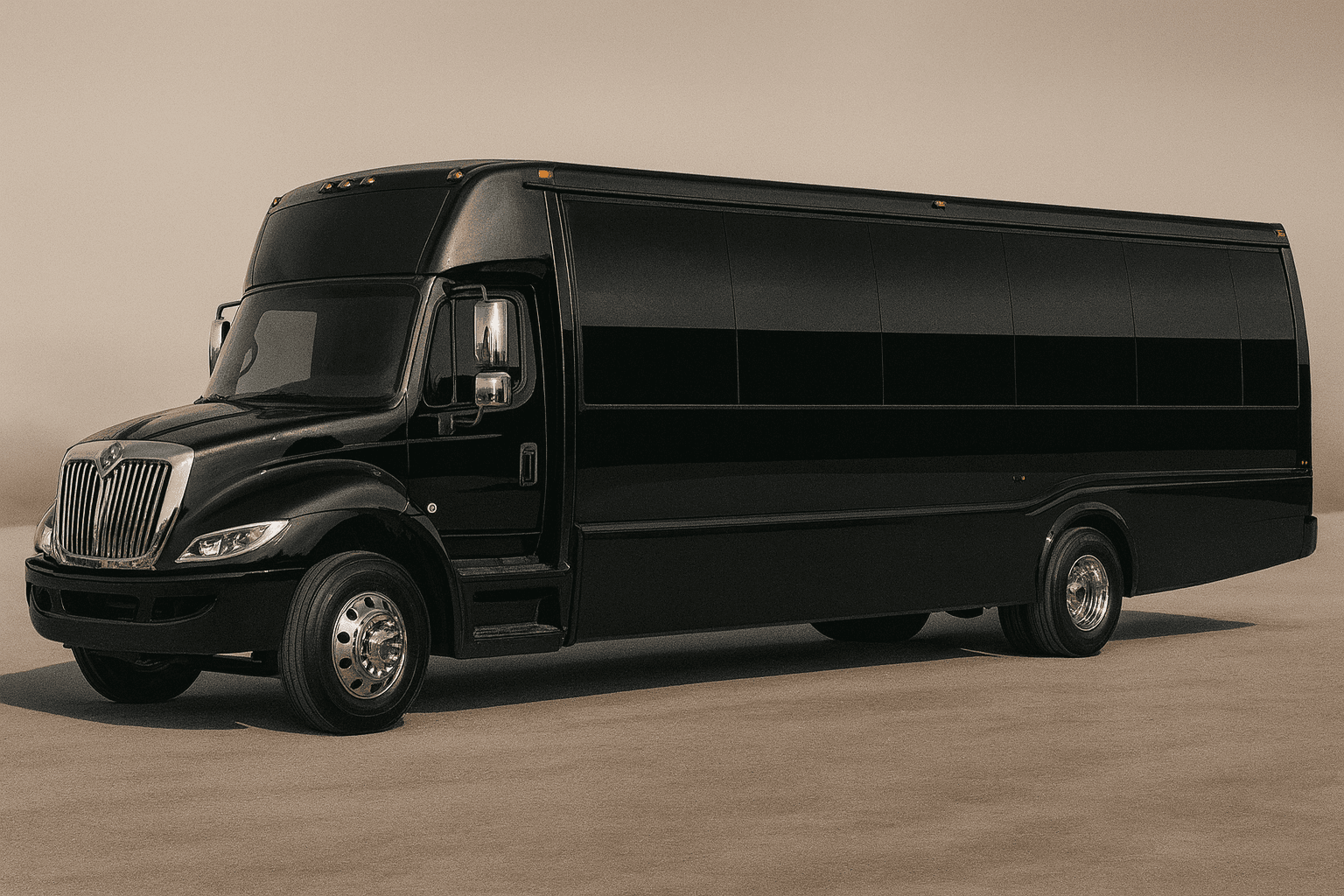
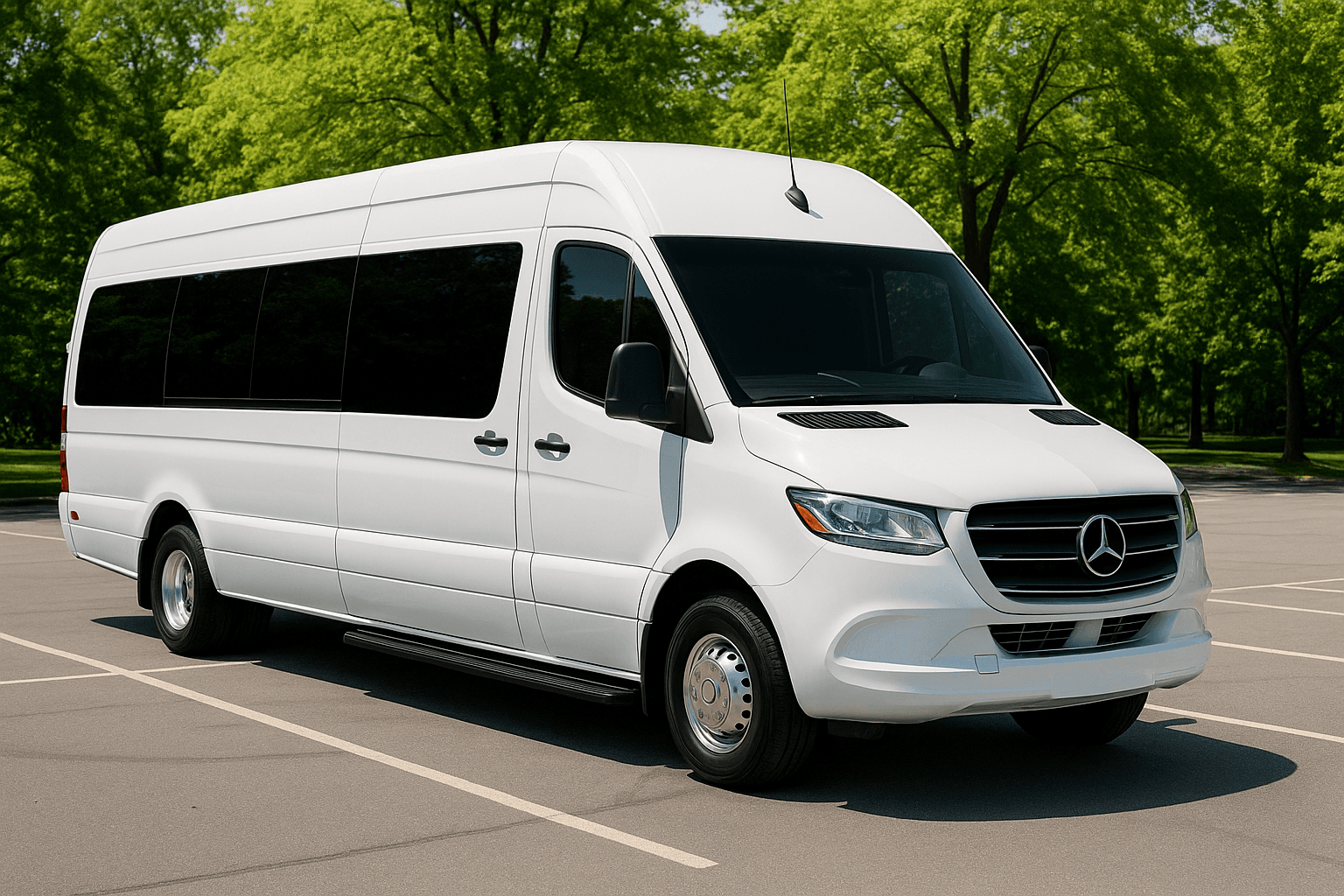
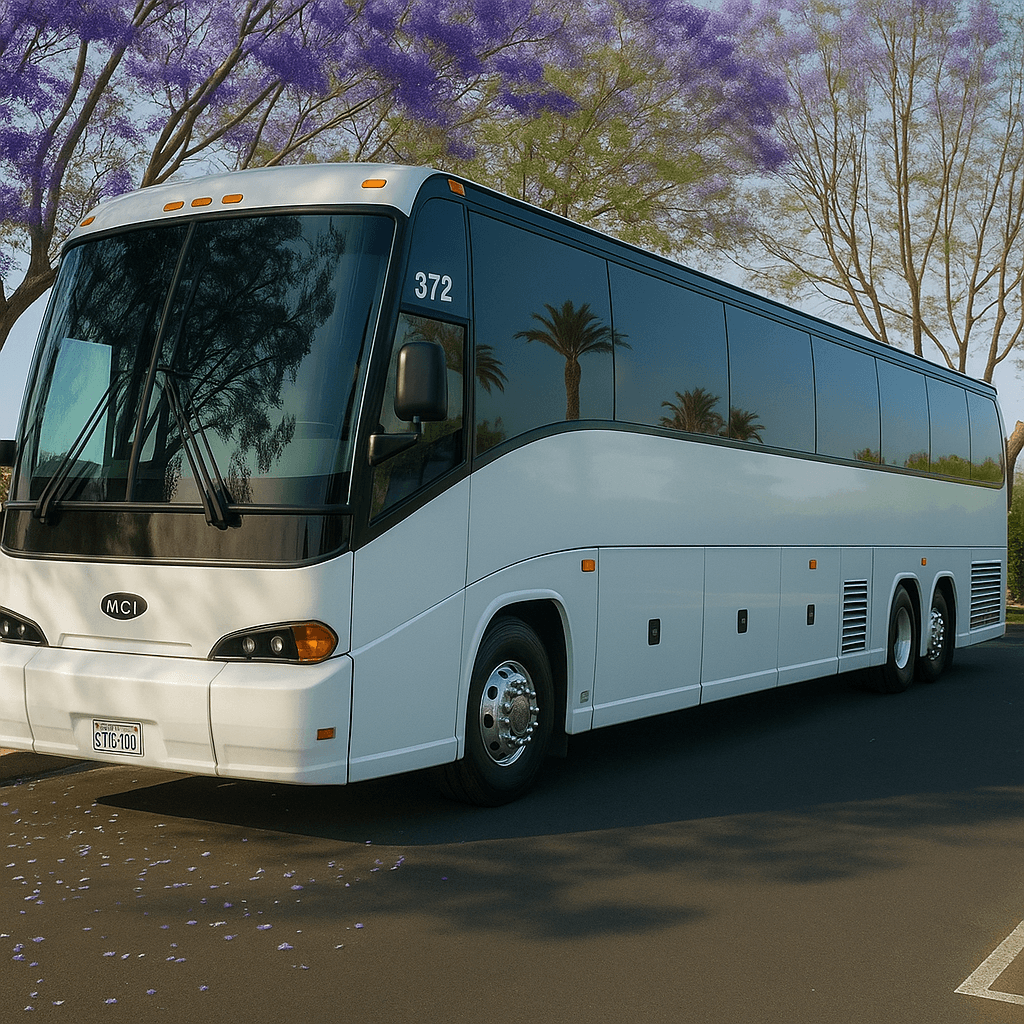
Party buses, limousines, Sprinters and coaches — the classes the Seating Map Visualizer is sizing for.

Mid-size party bus exterior
Party bus category
Stretch limousine exterior
Limousine category
Executive sprinter exterior
Sprinter category
Full-size coach bus exterior
Coach bus category

Seating Map Visualizer: What to Know

Representative seating maps help customers understand layout differences between limos, party buses, sprinters, minibuses, and coach buses.

A map is not the exact vehicle. Vehicles are configured differently, and seating can vary even within the same category.

If layout matters for photos, formalwear, accessibility, or group flow, ask for specific layout confirmation in the written quote.

Who Should Use the Seating Map Visualizer?

The Seating Map Visualizer is designed for groups working out how seating is arranged before asking us for photos of the actual bus. It is especially useful when conversation layout, forward-facing seats, aisle access, boarding, or group separation influences the category choice. It gives the organizer a structured way to prepare a decision before speaking with a real person on our side. That preparation can make the quote review more useful because the group arrives with consistent assumptions instead of several conflicting versions of the trip.

Inputs to Gather Before You Start

Select the relevant vehicle category and compare the displayed layout with passenger count, luggage, mobility devices, child-seat questions, service animals, formalwear, and desired personal space. Note which layout features are mandatory. Accurate inputs matter more than optimistic inputs. If a detail is unknown, record it as an open question instead of selecting an answer merely to produce a preferred result.

How to Read the Result

The visualizer explains common arrangements and helps the organizer prepare exact questions. It does not show the unit assigned to a trip. Use the diagram to communicate preferences, then request written confirmation or current photos when layout matters. Save the assumptions with the result so another planner or our team can understand how it was produced. If the assumptions change, run the tool again rather than treating the first output as permanent.

Limitations and Live Confirmation

Manufacturers and upfitters configure vehicles differently, and seats or amenities may change. The diagram is not a legal capacity certificate, accessibility specification, emergency map, or promise of inventory. Tool output is planning guidance only. It is not a reservation, contract, dispatch instruction, legal opinion, availability check, or final transportation quote.

A Common Mistake to Avoid

Treating the diagram as the exact seating chart for the bus we send, then being surprised by a different configuration or aisle layout on the day of the trip.

What to Do Next

Ask us to confirm the assigned category, legal capacity, seating arrangement, entry, luggage, accessibility needs, and substitution policy before signing.

Seating Map Visualizer FAQs

Is the Seating Map Visualizer a confirmed quote or reservation?

No. The result helps prepare or compare trip details. It does not check live vehicle inventory, reserve transportation, charge a card, submit a lead, or replace the final written quote and agreement.

What information makes the Seating Map Visualizer more useful?

Use confirmed information wherever possible and keep uncertain items visible. For this tool, the most important preparation is: Select the relevant vehicle category and compare the displayed layout with passenger count, luggage, mobility devices, child-seat questions, service animals, formalwear, and desired personal space. Note which layout features are mandatory.

What should I do after receiving a result?

Ask us to confirm the assigned category, legal capacity, seating arrangement, entry, luggage, accessibility needs, and substitution policy before signing. A short call or a live chat should confirm the actual date, route, passenger count, vehicle category, price, included items, exceptions, policies, and booking steps.

Need Personalized Help?

Our reservation specialists use the same data behind these tools — plus years of experience. Get a free, no-obligation quote for your event.

Call or request a written quote • Support available for booking questions

What groups actually ask for

Figures from quote requests on Bus 2 Ride and sister company-owned websites. They describe requests, not confirmed bookings or a local office.

Four hours is the usual booking length on a party bus, and that holds across 10,344 quotes we have written for the category.

How long a party bus is usually booked for, at the median.

n = 10,344 requests

Look at when birthday trips actually happen and 85.9% are weekend dates, with Saturday taking 67.1%.

Day of week of the requested event date on birthday trips.

n = 12,386 requests

When a game-day trip group picks, 73.2% end up on party buses and 13.7% on limo-style Sprinters.

Share of game-day quotes by vehicle category.

n = 534 requests

Aggregates computed 2026-09-14 over 86,891 quote requests submitted through Bus 2 Ride and sister company-owned websites. Figures describe requests, not confirmed bookings or prices. Method and full dataset.